


Listen to the article
Misinformation Floods Social Media Following Washington’s Devastating Deluge
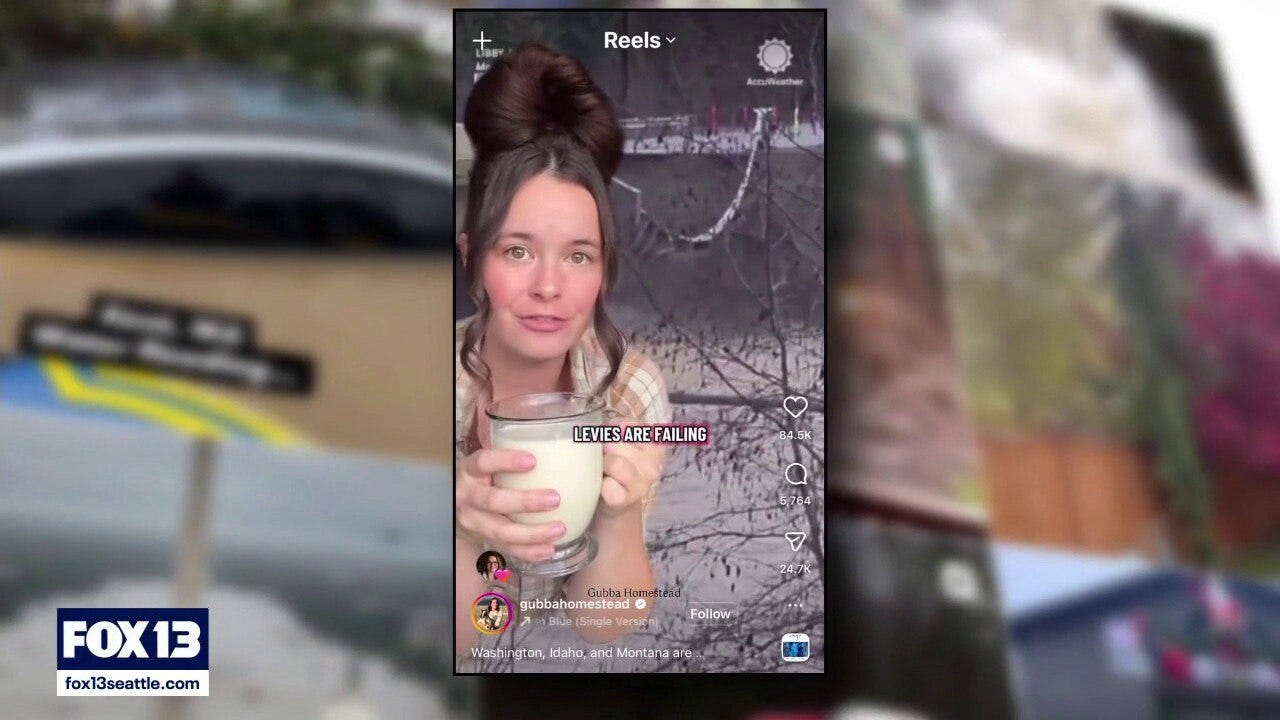
As floodwaters recede across western Washington following this month’s catastrophic flooding, residents are now contending with a different kind of surge: a deluge of artificial intelligence-generated videos and conspiracy theories spreading rapidly across social media platforms.
The flooding, which caused millions in damage and forced thousands to evacuate, has become the latest crisis to fall victim to digital misinformation. Social media monitoring groups report an alarming increase in fabricated content related to the disaster gaining significant traction online.
“We’re seeing sophisticated AI-generated videos that appear to show exaggerated flooding scenarios or entirely manufactured scenes,” said Dr. Elaine Winters, a digital misinformation researcher at the University of Washington. “These videos can look remarkably convincing to the untrained eye, especially when viewed on small mobile screens.”
The fabricated content ranges from manipulated footage showing water levels far higher than actually occurred to completely synthetic scenes depicting dramatic rescues or infrastructure failures that never happened. Some videos have received millions of views across platforms like TikTok, Facebook, and Twitter.
More concerning are the conspiracy theories emerging alongside the fake videos. Some falsely claim the flooding was deliberately engineered by government officials, while others suggest weather manipulation technology was involved. These unfounded theories have found receptive audiences in online communities already skeptical of official information sources.
Local officials are scrambling to combat the spread of misinformation. The Washington State Emergency Management Division has established a dedicated webpage to debunk the most prevalent false claims circulating online.
“This kind of misinformation diverts critical resources away from actual recovery efforts,” said Michael Rodriguez, a spokesperson for the division. “When our staff have to spend time addressing fabricated scenarios instead of helping real victims, it impacts our ability to serve communities that are truly suffering.”
The problem extends beyond just wasting officials’ time. Some residents report being influenced by the misleading content, leading to confusion about evacuation orders, available resources, and the extent of damage in various areas.
Sarah Nguyen, a resident of Snohomish County who evacuated during the floods, described being bombarded with contradictory information on social media. “I was getting messages from friends asking if I was okay based on videos they’d seen showing entire neighborhoods underwater. But those neighborhoods weren’t actually flooded at all,” she said.
Social media platforms have responded with varying degrees of effectiveness. Meta, which owns Facebook and Instagram, reports having removed thousands of posts containing flood misinformation, while Twitter has added contextual notes to some trending flood-related topics. However, critics argue these measures are insufficient given the volume and rapid spread of false content.
The problem highlights the growing challenge of crisis information management in an era where sophisticated AI tools can create convincing fake media in minutes. According to a recent Pew Research Center study, nearly 65% of Americans report having difficulty distinguishing between real and manipulated visual content online.
“This is unfortunately becoming the new normal for disaster response,” explained Cameron Walsh, who studies crisis communication at Seattle Pacific University. “Emergency management agencies now need to build misinformation response into their disaster plans, just as they would for physical infrastructure repair.”
Local news outlets have stepped up efforts to provide verified, accurate information about the floods and recovery efforts. Many have published guides helping readers identify AI-generated content and evaluate sources critically.
As cleanup and rebuilding continue across western Washington, officials stress the importance of relying on official channels and established news sources for information about assistance programs, road closures, and ongoing hazards.
“In a disaster, accurate information can be as important as food and shelter,” Rodriguez emphasized. “We’re urging everyone to verify what they see before sharing it, and to report suspicious content to both the platforms and to our misinformation hotline.”
The phenomenon underscores a growing reality of modern disasters—when the waters recede, the information environment may remain muddied for much longer.
Fact Checker
Verify the accuracy of this article using The Disinformation Commission analysis and real-time sources.

14 Comments
Fabricated videos and false information related to natural disasters are highly irresponsible and dangerous. I hope authorities and tech companies take swift action to identify and remove this content before it can cause further harm.
Agreed. Rapid response is key to limiting the reach and impact of misinformation, especially during emergencies. Fact-checking and media literacy are critical tools to help the public discern truth from fiction.
This is really concerning. Misinformation and fake videos can spread like wildfire on social media, especially during disasters. It’s important to be vigilant and verify information from trusted sources. Fact-checking is crucial to combat the spread of these deceptive narratives.
Absolutely. The use of AI to generate convincing but false footage is a worrying development. We need stronger safeguards and media literacy education to help people identify misinformation.
This is a worrying trend that underscores the need for greater digital media literacy and robust fact-checking measures, particularly around natural disasters and other crisis events. Platforms, authorities, and the public must work together to identify and limit the impact of AI-generated misinformation.
This is a concerning development that highlights the challenges we face in the digital age. Fabricated videos and conspiracy theories can spread rapidly and erode public trust, especially during emergencies. Robust fact-checking and media literacy efforts are crucial.
Flooding is a serious issue, but this artificial misinformation makes it even harder for people to get accurate information and respond effectively. Authorities and platforms need to be on high alert and rapidly take down any confirmed false content.
I agree. Misleading videos and conspiracy theories can undermine emergency response efforts and put lives at risk. Responsible social media use and fact-checking are crucial during disasters.
The proliferation of AI-generated misinformation around the Washington flooding disaster is deeply troubling. Deceptive videos and false narratives can have real-world consequences and undermine critical emergency response efforts. Platforms and authorities must act swiftly to address this issue.
Agreed. Misinformation can put lives at risk and hamper recovery efforts. Stronger safeguards and public awareness campaigns are needed to combat the spread of these fabricated narratives, especially during times of crisis.
This is a serious issue that highlights the need for greater digital literacy and vigilance against misinformation, particularly during crisis situations. Platforms and authorities must be proactive in identifying and removing false content.
This is a troubling trend. AI-generated misinformation can be incredibly convincing, especially for events unfolding in real-time. Improved detection methods and greater public awareness are needed to combat the spread of these deceptive narratives.
The use of AI to generate deceptive videos related to natural disasters is incredibly troubling. This kind of misinformation can undermine emergency response and put vulnerable people at risk. Stronger safeguards and public education are urgently needed.
Absolutely. We’ve seen the devastating impact that misinformation can have, especially during crises. Combating these AI-generated falsehoods should be a top priority for tech companies, policymakers, and the public.