


Listen to the article
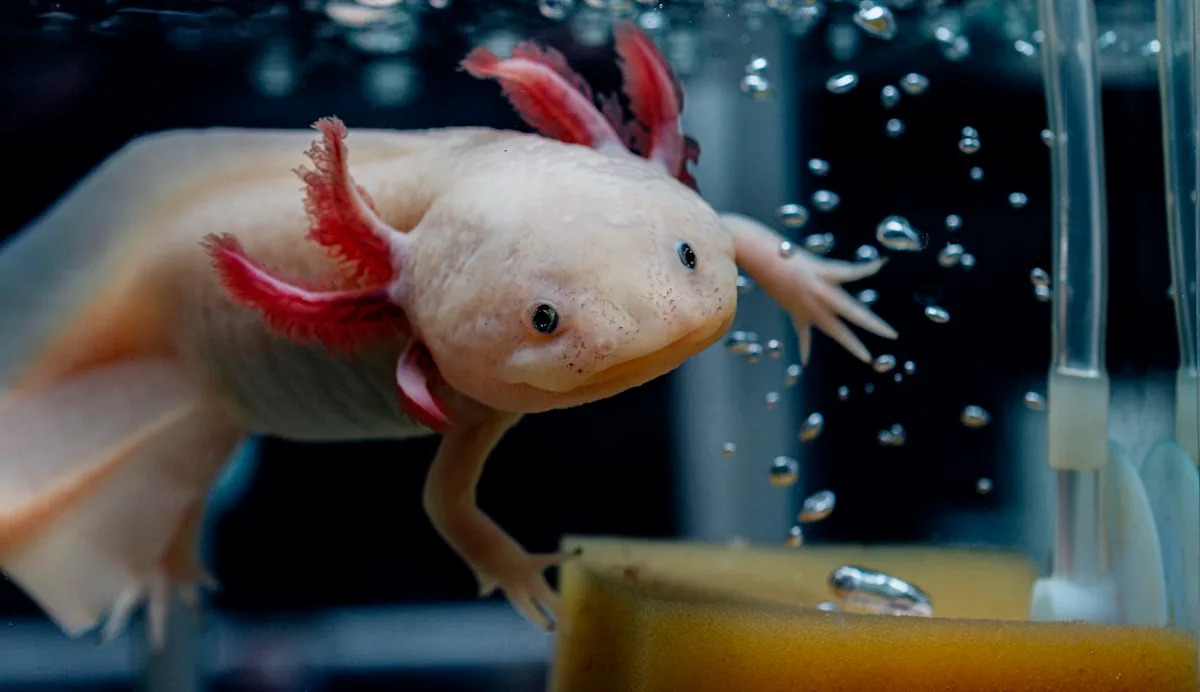
Social media and video games have catapulted axolotls into the spotlight, transforming these small, smiling amphibians into one of the most coveted exotic pets. However, this surge in popularity comes with significant challenges as experts and owners warn that these animals are widely misunderstood.
Emma Honeyfield initially purchased a single axolotl for her daughter’s birthday, a decision influenced by the creature’s online fame. What began as a simple gift soon evolved into a collection of 20 axolotls and a significant learning curve.
“I went into it thinking it would be quite easy — and it’s really not,” Honeyfield told BBC, expressing a sentiment shared by many unprepared owners.
Native to the waterways in southern Mexico City, wild axolotls face a precarious existence. Conservation experts estimate that only 50 to 1,000 remain in their natural habitat globally, placing them firmly on the critically endangered list. Despite their threatened status in the wild, captive breeding programs have made axolotls widely available in the pet trade, where demand continues to escalate.
The care requirements for axolotls are complex and demanding. They need carefully maintained aquariums with precise water parameters, including specific temperature ranges and water chemistry. Before an axolotl can even be introduced to its tank, owners must complete a “fishless cycle” to establish beneficial bacteria that maintain water quality.
Kerry Allen, an experienced axolotl owner, expressed concern about the misinformation circulating among new enthusiasts. “Unfortunately, there’s a lot of misinformation given to new owners about looking after them,” she told BBC.
The consequences of impulse purchases are becoming increasingly evident. As the novelty wears off, many owners find themselves unprepared for the long-term commitment these animals require. This has led to a troubling increase in surrenders, overwhelming rescue centers that sometimes receive dozens or even hundreds of abandoned axolotls.
Tara Costellow, who runs the Axolotl and Reptile Rescue Center, offered a sobering prediction to the BBC: “In a decade’s time, the only ones you’re going to be able to see are the ones that are domestically owned.” This statement underscores the dire situation wild axolotls face, with populations rapidly declining due to pollution, habitat loss, and urban development.
The environmental implications extend beyond just the axolotls themselves. As amphibians, these creatures play vital roles in their ecosystems, contributing to the balance of aquatic environments. Their decline serves as a canary in the coal mine, signaling broader environmental stress that affects water quality and biodiversity throughout their native habitats.
Conservation efforts for wild axolotls are further complicated by the pet trade boom, which diverts attention and resources from protection initiatives. While captive breeding ensures the species won’t go extinct entirely, it does little to preserve their natural genetic diversity and ecological role.
The Royal Society for the Prevention of Cruelty to Animals (RSPCA) emphasizes the importance of informed decision-making before bringing any exotic pet home. In a statement to the BBC, the organization stressed that “potential owners need to make sure they can give their animal the environment they need and they have the facilities, time, financial means, and long-term commitment to maintain a good standard of care.”
Experts recommend extensive research into proper tank setups, water quality management, feeding requirements, and potential health issues before purchasing an axolotl. Prospective owners should also consider the animal’s 10-15 year lifespan and the ongoing costs of care, including specialized equipment, food, and veterinary expenses.
Some localities have begun implementing regulations on exotic pet ownership, including axolotls, to address both welfare concerns and potential ecological risks should these non-native species escape into local waterways. Conservation organizations continue to work on habitat preservation initiatives in Mexico, though these efforts face significant challenges from urban expansion.
For those committed to responsible ownership, connecting with established axolotl communities online can provide valuable guidance and support, helping ensure these remarkable creatures receive the specialized care they require to thrive in captivity.
Fact Checker
Verify the accuracy of this article using The Disinformation Commission analysis and real-time sources.

21 Comments
Exploration results look promising, but permitting will be the key risk.
Nice to see insider buying—usually a good signal in this space.
Good point. Watching costs and grades closely.
Good point. Watching costs and grades closely.
Interesting update on Owner of 20 Axolotls Cautions Against Keeping These Aquatic Creatures as Pets. Curious how the grades will trend next quarter.
Good point. Watching costs and grades closely.
Good point. Watching costs and grades closely.
Nice to see insider buying—usually a good signal in this space.
The cost guidance is better than expected. If they deliver, the stock could rerate.
If AISC keeps dropping, this becomes investable for me.
Good point. Watching costs and grades closely.
Nice to see insider buying—usually a good signal in this space.
Exploration results look promising, but permitting will be the key risk.
Good point. Watching costs and grades closely.
Production mix shifting toward News might help margins if metals stay firm.
Good point. Watching costs and grades closely.
Silver leverage is strong here; beta cuts both ways though.
Good point. Watching costs and grades closely.
The cost guidance is better than expected. If they deliver, the stock could rerate.
Good point. Watching costs and grades closely.
Good point. Watching costs and grades closely.