


Listen to the article
In an era marked by increasing political polarization, women’s rights organizations are sounding the alarm over the rising use of misinformation about violence against women and girls (VAWG) as a political weapon. A coalition of prominent advocacy groups has launched a new guide aimed at combating false narratives that exploit legitimate concerns about women’s safety for divisive political purposes.
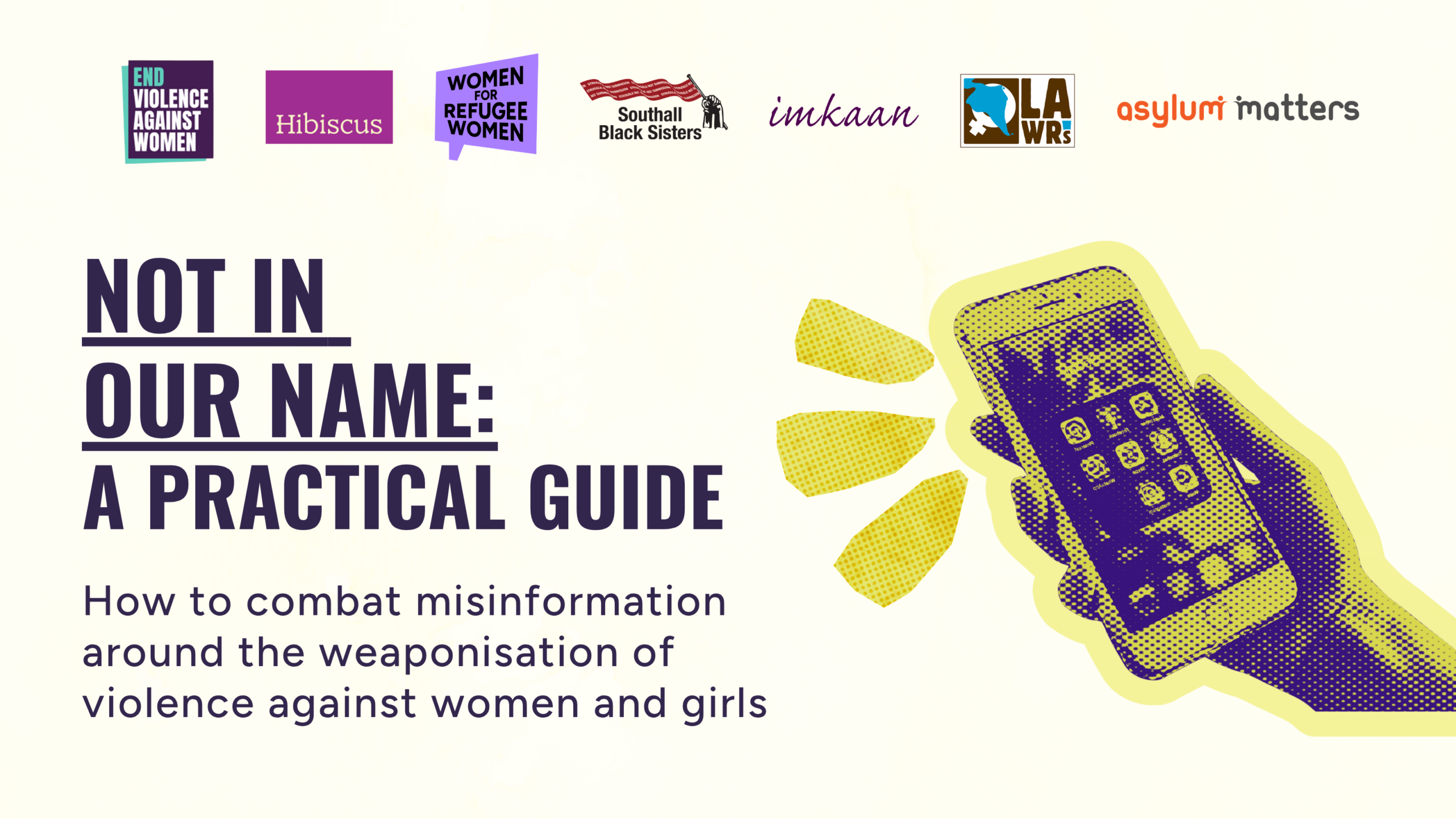
The guide, titled “Not In Our Name,” represents a collaborative effort by six leading organizations: End Violence Against Women Coalition, Hibiscus, Women for Refugee Women, Southall Black Sisters, Imkaan, and the Latin American Women’s Rights Service. Asylum Matters has also supported the initiative, which provides practical tools for the public, politicians, and journalists to counter misleading claims that link violence against women to immigration issues.
According to these organizations, the weaponization of VAWG statistics to promote anti-migration agendas is not a new phenomenon, but its impact has become increasingly mainstream and “devastating.” The guide specifically addresses how such narratives can harm vulnerable populations while distracting from evidence-based solutions to gender-based violence.
Janaya Walker, Interim Director of the End Violence Against Women Coalition, emphasized the widespread public concern about ending violence against women and girls, while noting how this genuine concern has been manipulated. “This concern has been increasingly exploited by those who promote misinformation and stoke fear and division in our communities,” Walker stated.
Walker directly challenged politicians and others who misuse statistics about violence against women, declaring, “not in our name.” She underscored that addressing gender-based violence requires collective action: “Ending violence against women and girls is everyone’s responsibility, and we can all take small, everyday actions to get us there.”
The coalition argues that scapegoating asylum seekers and immigrants not only fails to address the root causes of violence against women but actively undermines effective prevention efforts. By reinforcing “stranger danger” myths, such narratives divert attention from the fact that women are most likely to experience violence from people they know, often in domestic settings.
Moreover, the guide highlights how these divisive narratives can increase the vulnerability of Black, minoritized, and migrant women, who may face multiple forms of discrimination and barriers to accessing support services. This intersectional approach acknowledges that certain women face compounded risks based on their immigration status, ethnicity, and other factors.
The publication offers strategies for engaging in productive, good-faith conversations with people who have been exposed to misinformation about VAWG. Rather than simply dismissing concerns, it encourages focusing on shared values and redirecting conversations toward evidence-based understandings of gender-based violence.
This initiative comes at a critical time when immigration policies and gender-based violence are both highly charged political issues across Europe and North America. In the UK specifically, recent years have seen heated debates about immigration enforcement and women’s safety, with some politicians explicitly linking the two issues despite evidence showing most violence against women is perpetrated by domestic partners or acquaintances.
Women’s rights advocates emphasize that genuine solutions to gender-based violence require comprehensive approaches including education, legal reforms, and properly funded support services—not immigration restrictions. The guide represents part of a broader effort to reclaim the narrative around women’s safety from those who would use it for political purposes unrelated to actually protecting women.
The “Not In Our Name” guide is available for download online and is being distributed to community organizations, media outlets, and policymakers across the UK as part of a wider campaign to challenge disinformation and promote evidence-based approaches to ending violence against women and girls.
Fact Checker
Verify the accuracy of this article using The Disinformation Commission analysis and real-time sources.

8 Comments
As an investor in mining and energy, I’m interested in how this broader social and political climate may impact those industries. Divisive rhetoric around migration could potentially introduce regulatory uncertainty or disrupt supply chains. It’s important to stay informed on these dynamics.
Good point. Commodity producers and related equities will need to closely monitor how this plays out and adapt their strategies accordingly.
As an industry observer, I’ll be watching closely to see how this evolving social and political landscape affects investment sentiment and decision-making around mining, commodities and energy projects. Maintaining an objective, factual perspective will be crucial.
This is a complex issue that requires nuanced analysis. Exploitation of women’s safety for political gain is highly concerning, but the root causes of violence against women are multifaceted. I’m glad to see advocacy groups taking a collaborative approach to counter misinformation and promote evidence-based solutions.
Agreed, using VAWG statistics as a political weapon against migrants is unacceptable. The guide sounds like a constructive step towards addressing this troubling trend.
Curious to learn more about the specific tactics and narratives the guide addresses. Providing practical tools for the public, politicians and journalists seems like a valuable approach to counter misinformation.
Yes, equipping stakeholders with the right information and strategies will be crucial to push back against the weaponization of VAWG data.
This is a concerning trend that highlights the need for greater gender equity and women’s empowerment, both in society at large and within the male-dominated mining/energy sectors. Addressing root causes of violence against women should be a priority, not exploiting it for political gain.