


Listen to the article
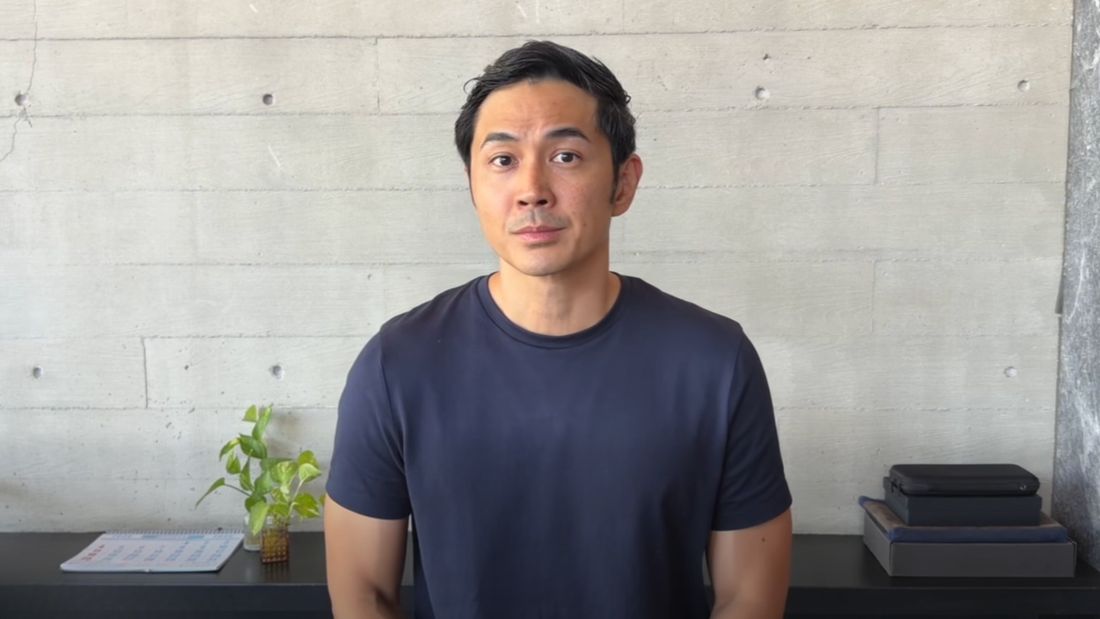
Businessman Slater Young broke his silence on Sunday regarding allegations that his family’s development project, Monterrazas de Cebu, contributed to the severe flooding that struck Cebu in November 2025 during Typhoon Tino.
In a video statement released on social media, Young addressed what he described as “disinformation” surrounding the hillside development, citing findings from an independent study conducted by researchers from the University of the Philippines.
“When the accusations were made against the Monterrazas project, our first instinct was to respond immediately. But we held back because we believed that the right thing to do was to let the proper investigations run its course,” Young said.
The controversy emerged in the aftermath of Typhoon Tino, which caused widespread damage across Cebu. Local residents and some environmental groups pointed to the upland development as a potential cause of increased water runoff that exacerbated flooding in lower-lying areas.
According to Young, the university researchers determined that the Monterrazas project did not cause or worsen the flooding. The study instead attributed the disaster to the “sheer volume of rain,” noting that Typhoon Tino delivered more than a month’s worth of rainfall in just 24 hours, overwhelming local infrastructure regardless of development patterns.
Young highlighted that the researchers found the project’s water management systems actually exceeded regulatory standards. He pointed out that the development’s detention ponds were capable of capturing and holding up to 99.74% of excess rainwater before releasing it gradually into the watershed.
“The science does not just say we did not cause the flooding. It says that the systems we have built in place help reduce it,” Young emphasized.
The businessman stressed that the findings came from scientists with no affiliation to the project, and that multiple independent bodies reviewed the data and reached similar conclusions absolving Monterrazas of responsibility for the flooding.
Despite these findings, Young acknowledged the significant public criticism his family endured following the disaster, describing some of it as “deeply hurtful.” However, he expressed that their primary concern remained with those directly affected by the floods.
The controversy represents a larger ongoing debate about urban development in Cebu’s environmentally sensitive hillside areas. Rapid construction in the region’s highlands has raised concerns among environmental advocates about soil erosion, water runoff patterns, and the capacity of aging drainage infrastructure in downstream communities.
Young also warned that his family would take necessary steps to protect themselves from what he called “deliberate misinformation,” indicating potential legal action against those spreading false accusations against the development.
The Monterrazas de Cebu project, developed by the Young-owned Prestigio Holdings, represents one of the largest hillside residential developments in the region. It features luxury homes and condominiums situated on the city’s upland terrain, offering panoramic views of the metropolitan area and coastline.
In April, the Cebu City Council lifted a cease-and-desist order that had temporarily halted construction at Monterrazas. Council members determined that a continued shutdown was unnecessary after developers complied with additional requirements and established better coordination with local authorities.
Investigations into flooding in Barangay Guadalupe revealed a more complex picture than initially presented. While the Monterrazas project did contribute some water runoff, officials found that inadequate drainage systems and undersized pipes in downstream areas were significant factors in the flooding.
Young concluded his statement by emphasizing the importance of science-based solutions: “We understand that for some, no study or finding will ever be enough. But Cebu deserves real solutions, and real solutions can only come from correctly identifying the real cause.”
Fact Checker
Verify the accuracy of this article using The Disinformation Commission analysis and real-time sources.

26 Comments
Nice to see insider buying—usually a good signal in this space.
Production mix shifting toward News might help margins if metals stay firm.
If AISC keeps dropping, this becomes investable for me.
Interesting update on Slater Young Responds to Cebu Flooding Allegations, Refutes ‘Deliberate Misinformation’. Curious how the grades will trend next quarter.
Good point. Watching costs and grades closely.
If AISC keeps dropping, this becomes investable for me.
Good point. Watching costs and grades closely.
Nice to see insider buying—usually a good signal in this space.
Good point. Watching costs and grades closely.
Interesting update on Slater Young Responds to Cebu Flooding Allegations, Refutes ‘Deliberate Misinformation’. Curious how the grades will trend next quarter.
Good point. Watching costs and grades closely.
If AISC keeps dropping, this becomes investable for me.
Good point. Watching costs and grades closely.
Good point. Watching costs and grades closely.
Production mix shifting toward News might help margins if metals stay firm.
Good point. Watching costs and grades closely.
Exploration results look promising, but permitting will be the key risk.
Good point. Watching costs and grades closely.
Good point. Watching costs and grades closely.
Production mix shifting toward News might help margins if metals stay firm.
Good point. Watching costs and grades closely.
Good point. Watching costs and grades closely.
Nice to see insider buying—usually a good signal in this space.
I like the balance sheet here—less leverage than peers.
Good point. Watching costs and grades closely.
Good point. Watching costs and grades closely.