


Listen to the article
Nepal Army Issues Warning Against Spread of Misinformation Targeting Military Leadership
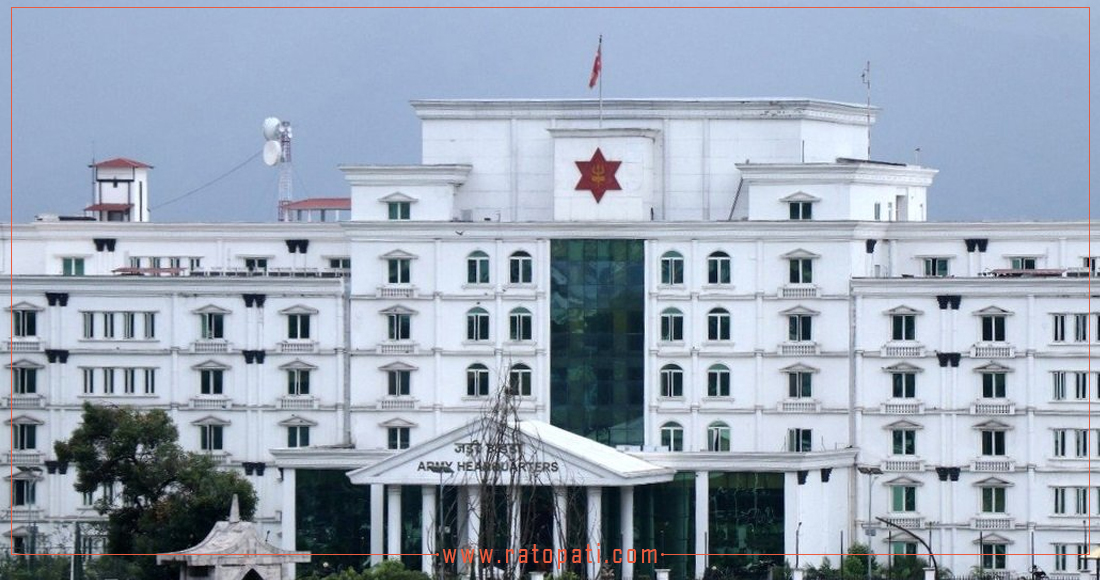
The Nepal Army has issued a stern public appeal expressing grave concern over recent misinformation campaigns targeting the military institution and its leadership. The statement, released Friday by Army Headquarters in Kathmandu, warns that individuals spreading fabricated content about the armed forces will face legal consequences.
Military officials noted that they have been actively monitoring what they describe as “unruly and chaotic activities” aimed at undermining the army’s reputation. The Directorate of Public Relations and Information emphasized that such disinformation efforts create unnecessary confusion among citizens and damage public trust in one of Nepal’s most critical national institutions.
“Those involved in spreading baseless and malicious content will be brought under the scope of prevailing laws,” the statement declared, signaling a zero-tolerance approach toward what military officials view as coordinated attempts to tarnish the army’s image.
The timing of this unusual public statement comes amid growing political tensions in Nepal, where the military has traditionally maintained a position of neutrality while serving as a stabilizing force. Sources familiar with the matter suggest the recent surge in misinformation may be connected to broader political maneuvering in the country, though the army did not specifically reference any political actors in its statement.
In recent years, Nepal has witnessed an explosion of social media use and digital news outlets, creating new challenges for institutions unaccustomed to responding to rapid information flows and viral content. The military’s response reflects growing concern about the impact of unchecked information on public institutions.
Security analysts note that the Nepal Army plays a multifaceted role beyond traditional defense, including involvement in infrastructure development, disaster response, and international peacekeeping missions. Any erosion of public confidence could potentially impact these broader responsibilities.
The military has urged citizens to exercise critical thinking when encountering information about the army and its leadership online. “We request the general public not to believe such misleading content,” the statement read, adding that official information should only be obtained through verified channels including the army’s website, official social media accounts, and formal press releases.
For those seeking clarification on army-related matters, the Directorate of Public Relations and Information has offered direct coordination to ensure accurate information dissemination.
Nepal’s media landscape has evolved significantly in recent years, with traditional oversight mechanisms struggling to keep pace with the proliferation of online content. The country’s laws regarding false information and defamation remain somewhat ambiguous in the digital realm, creating uncertainty about enforcement mechanisms.
Civil society organizations monitoring press freedom in Nepal have previously expressed concerns about overly broad interpretations of laws targeting “misleading information,” warning that such measures could potentially restrict legitimate criticism of public institutions.
The Nepal Army, with its approximately 95,000 personnel, remains one of the country’s most respected institutions, with a history dating back over 250 years. It has played crucial roles during natural disasters, including the devastating 2015 earthquake, and contributes significantly to United Nations peacekeeping missions worldwide.
Military spokespersons declined to provide specific examples of the misinformation being targeted, noting only that the problematic content has appeared across “various media outlets and social media platforms” over recent days.
As Nepal navigates complex political transitions and modernization efforts, maintaining public trust in core institutions remains a critical challenge for the country’s democratic development and stability.
Fact Checker
Verify the accuracy of this article using The Disinformation Commission analysis and real-time sources.

23 Comments
This is a concerning development, but the Nepal Army’s response seems warranted. Maintaining public trust in the military is crucial for national security and stability.
Agreed. The military plays a vital role, and it’s important that its leadership can operate without facing unfounded attacks on their credibility.
While freedom of speech is important, the spread of baseless claims about the military can be deeply damaging. The Nepal Army’s response seems warranted to protect its reputation and integrity.
This is a concerning situation, but the Nepal Army’s stance is understandable. Maintaining public trust in the military is crucial for national security and stability.
The Nepal Army’s statement highlights the growing threat of online disinformation campaigns. Proactive efforts to counter such narratives are important for preserving institutional integrity.
It’s encouraging to see the Nepal Army taking a firm stance against misinformation. Maintaining public trust in the military is crucial for national security and stability.
Agreed. The military plays a vital role, and their leadership must be able to operate without unfounded attacks on their credibility.
The Nepal Army’s warning highlights the growing challenge of combating online misinformation. Proactive measures to address this issue are necessary to maintain public confidence.
Absolutely. Misinformation has far-reaching consequences, especially when it targets respected institutions like the military. Kudos to the Nepal Army for taking this stand.
The Nepal Army’s warning highlights the importance of combating misinformation, especially when it targets critical national institutions. Proactive measures to address this issue are necessary.
Agreed. The military plays a vital role, and it’s crucial that the public can trust its leadership and operations. The Nepal Army’s response seems appropriate.
This is a concerning situation, but the Nepal Army’s warning is understandable. Maintaining public trust in the military is crucial for national security and stability.
Agreed. The military plays a vital role, and it’s important that its leadership can operate without facing unfounded attacks on their credibility.
While freedom of speech is important, the spread of baseless claims about the military can be deeply damaging. The Nepal Army’s stance appears justified in this case.
It’s encouraging to see the Nepal Army taking a firm stance against misinformation. Protecting the reputation of critical national institutions is crucial for stability and security.
Absolutely. The military must be able to carry out its duties without facing unfounded attacks. The Nepal Army’s response seems appropriate in this case.
This is an important statement from the Nepal Army. Misinformation can undermine public trust in critical national institutions. Glad to see the military taking a firm stance against disinformation campaigns.
Agreed. The army plays a vital role in Nepal’s stability and security. Protecting its reputation from false narratives is crucial.
While freedom of speech is important, the spread of baseless claims about the military can be deeply damaging. The Nepal Army’s stance appears justified to protect its reputation.
The Nepal Army’s warning highlights the growing challenge of combating online misinformation. Proactive measures to address this issue are necessary to maintain public confidence.
The Nepal Army’s statement highlights the growing threat of online disinformation campaigns. Proactive efforts to counter such narratives are important for preserving institutional integrity.
Disinformation can be incredibly damaging, especially when it targets respected national institutions like the military. The Nepal Army’s response seems appropriate to protect its reputation.
Absolutely. The military must be able to carry out its duties without facing unfounded attacks. Kudos to the Nepal Army for addressing this issue head-on.