


Listen to the article
Philippine Coast Guard officials are urging citizens of Negros Oriental to take an active role in combating misinformation about the contentious West Philippine Sea dispute, emphasizing that the maritime territorial conflict affects all Filipinos regardless of geography.
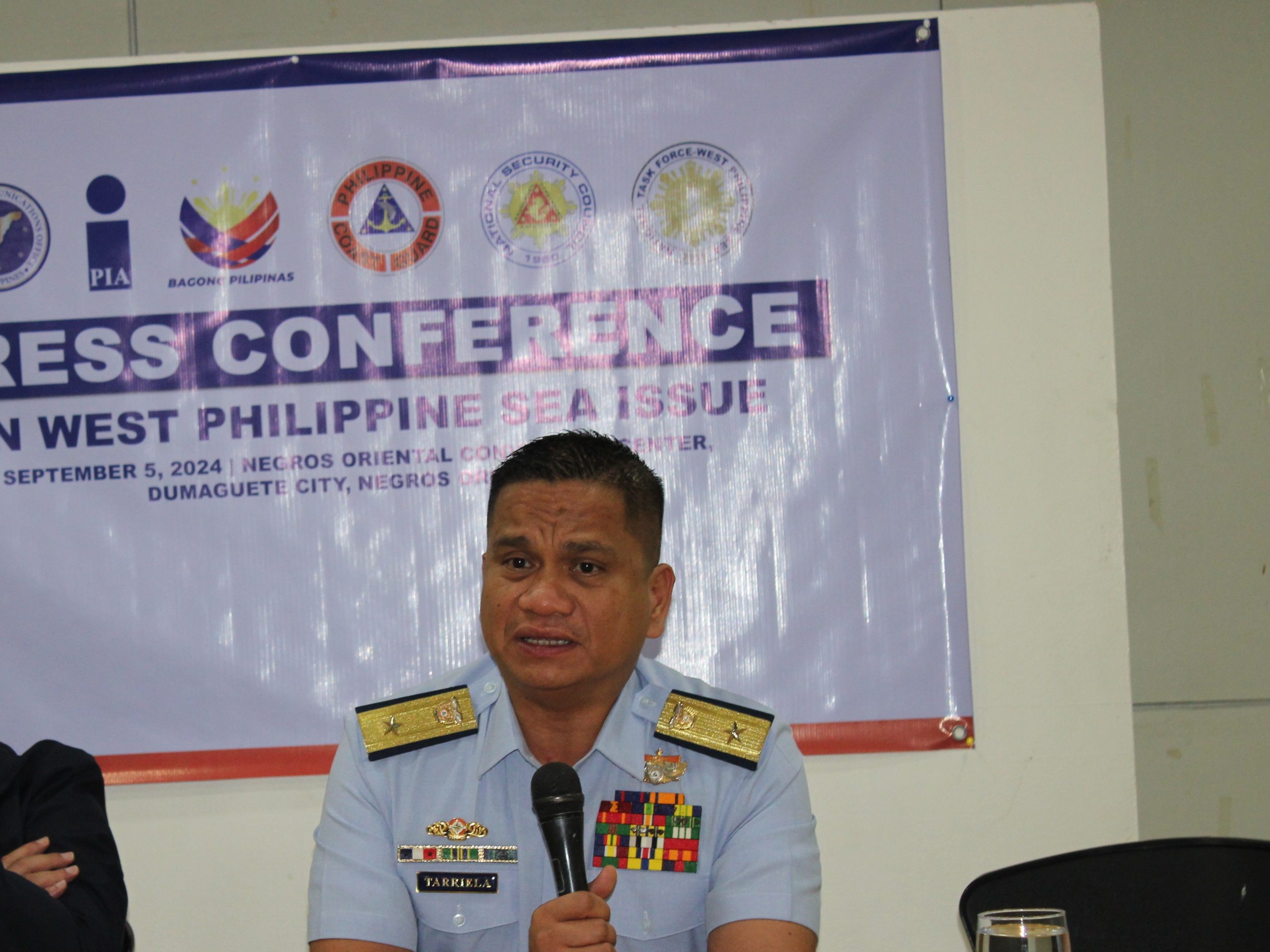
During a radio interview on “Good Morning Dumaguete!” broadcast by DYEM-FM, Philippine Coast Guard (PCG) Spokesperson for the West Philippine Sea, Commodore Jay Tarriela, identified misinformation as the greatest obstacle in the country’s territorial claims against China.
“The greatest challenge in our stand in the West Philippine Sea is the spread of fake news and misinformation,” Tarriela stated. He encouraged listeners to take direct action when encountering false information online. “If Filipinos are listening right now, as you hold your smartphones or your tablets, every time you see fake news or misinformation, kindly report it to Meta or kindly comment that particular content is not valid.”
Tarriela defended the government’s communications strategy, maintaining that official statements are based on verified facts and firsthand accounts from journalists who have reported from the disputed region. He expressed confidence that adherence to truthful reporting would ultimately prevail in what he described as a “battle of narratives.”
The maritime dispute has intensified in recent years as China has expanded its presence in the South China Sea, including areas that fall within the Philippines’ exclusive economic zone. The Philippines bases its territorial claims on the 2016 ruling by the Permanent Court of Arbitration in The Hague, which invalidated China’s expansive “nine-dash line” claim over much of the South China Sea.
Speaking partly in Filipino, Tarriela emphasized the national significance of the territorial dispute. “I am appealing to all our fellowmen here in Dumaguete City. The issue on WPS is of national importance. We need to support this fight. It is our responsibility and we owe this to our heroes who offered their lives so that our country will be free and independent.”
The Coast Guard spokesperson outlined the government’s multi-faceted approach to addressing Chinese claims and activities in the disputed waters. He noted that the Department of Foreign Affairs continues diplomatic engagement with China while simultaneously pursuing military modernization and international alliances to counter aggressive actions.
On the ground, the PCG and Armed Forces of the Philippines maintain regular patrols in critical areas such as Bajo De Masinloc (also known as Scarborough Shoal) in Zambales and the Kalayaan Island Group in Palawan. These operations aim to protect Filipino fishermen’s rights to access traditional fishing grounds that have become flashpoints in the territorial dispute.
Tarriela also highlighted economic aspects of the government’s strategy, stating that the Philippines is diversifying its investment partnerships to reduce vulnerability to potential economic pressure from China. The maritime dispute has occasionally affected bilateral economic relations, with China implementing import restrictions on certain Philippine products during periods of heightened tension.
Looking toward future elections, Tarriela encouraged Negrenses to consider candidates’ positions on the West Philippine Sea when casting their votes. “We can no longer afford having a president for another six years who is going to set aside our fight in the WPS,” he said, emphasizing the need for policy continuity in defending the country’s maritime claims.
The PCG’s outreach to communities in Negros Oriental reflects the government’s efforts to build nationwide awareness and support for its position in the territorial dispute, recognizing that citizens across the archipelago, even those far from the disputed waters, have a stake in the outcome of this long-running international conflict.
Fact Checker
Verify the accuracy of this article using The Disinformation Commission analysis and real-time sources.

20 Comments
I’m glad to see the authorities encouraging citizens to take an active role in combating misinformation about the West Philippine Sea dispute. Maintaining an informed public is crucial in this sensitive territorial conflict.
This is an admirable initiative from the Philippine Coast Guard. Engaging the public to counter misinformation is a smart strategy for addressing the challenge of fake news in the West Philippine Sea conflict.
Verified information from official sources is key. Citizens can make a real difference by quickly identifying and reporting any dubious claims they encounter online.
The spread of fake news is a major obstacle in the West Philippine Sea dispute. The Coast Guard’s appeal for public engagement is a wise move to counter false narratives and support the government’s evidence-based position.
Verified information from official sources and firsthand journalistic accounts should be the foundation for public discourse on this issue. Vigilant citizens can help by quickly flagging any dubious claims they encounter online.
The spread of misinformation is a major challenge in the territorial dispute with China. It’s good to see the authorities encouraging Filipinos to take direct action by reporting false content on social media.
Verified information from official sources is crucial here. Responsible citizens can help by quickly identifying and flagging any misleading claims they come across.
It’s encouraging to hear the Philippine Coast Guard urging citizens to actively counter misinformation about the West Philippine Sea dispute. Combating fake news is crucial for maintaining accurate public understanding of this important issue.
I agree, transparency and fact-based communication from the government are essential. Citizens should stay vigilant and report any dubious claims they encounter online.
The West Philippine Sea dispute is a complex geopolitical issue, and it’s concerning to hear about the prevalence of fake news. The Coast Guard’s call for public engagement is a wise strategy to counter misinformation.
This is an important call to action from the Philippine Coast Guard. Combating misinformation is essential for maintaining an accurate public understanding of the complex West Philippine Sea dispute.
Misinformation is a serious obstacle in this territorial conflict. I’m glad the authorities are empowering citizens to take an active role in identifying and reporting false claims online.
Fact-based communication from the government is critical. By working together to quickly flag dubious content, the public can help maintain an accurate understanding of this important issue.
The maritime dispute with China is a complex issue, and it’s worrying to hear about the prevalence of misinformation. Kudos to the authorities for urging citizens to be proactive in identifying and reporting fake news.
Maintaining public awareness through truthful, firsthand accounts from journalists is crucial. Grassroots efforts to fact-check online claims can make a real difference.
Fake news is a serious obstacle in the West Philippine Sea conflict. I’m glad the Coast Guard is calling on the public to counter misinformation and support the government’s evidence-based position.
I appreciate the Coast Guard’s efforts to empower citizens to counter misinformation on this sensitive issue. Reporting dubious online content is a simple but impactful way to support the government’s position.
Verified facts from official sources should be the basis for public discourse, not unsubstantiated claims. Vigilant citizens can help maintain an informed national dialogue.
The Coast Guard’s call to action is a prudent move. Combating fake news about the West Philippine Sea dispute should be a priority for all Filipinos who care about their country’s sovereignty.
This is an important call to action from the Philippine Coast Guard. The public has a vital role to play in combating false narratives about the West Philippine Sea dispute.