


Listen to the article
In the immediate aftermath of Sunday’s deadly attack at Bondi, a flood of misinformation began spreading across social media platforms, gaining traction even as authorities were still responding to the scene.
The Australian Broadcasting Corporation (ABC) has conducted an extensive review of online content related to the incident, uncovering numerous fabricated claims that have reached millions of viewers globally despite their questionable accuracy.
Digital misinformation experts note this pattern has become increasingly common following mass casualty events. Within hours of the Bondi attack, social media accounts with substantial followings began sharing unverified details, doctored images, and conspiracy theories about the shooter’s identity and motives.
“The speed at which false information circulates after traumatic events has accelerated dramatically in recent years,” said Dr. Claire Ferguson, a digital forensics specialist at Queensland University of Technology. “What we’re seeing is a race to frame narratives before official investigations have even concluded their preliminary work.”
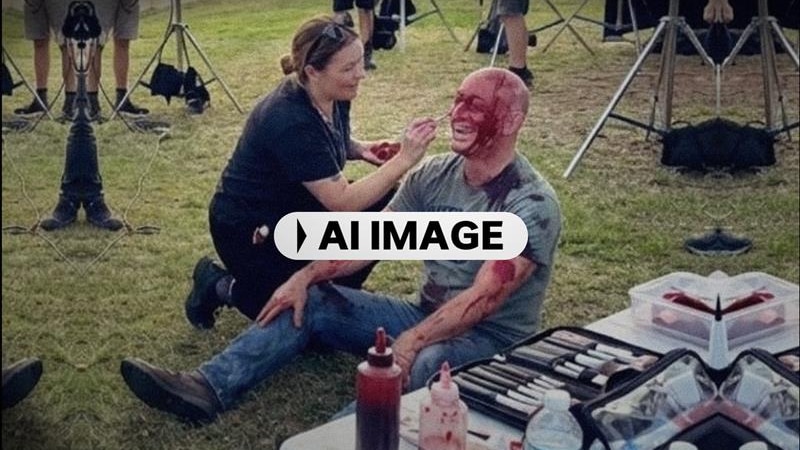
Much of the misleading content appears designed to inflame political and cultural tensions, with some posts explicitly attempting to link the incident to broader ideological narratives without factual basis. Several high-profile accounts shared manipulated images purporting to show the scene, which forensic analysis later confirmed were altered or from entirely different incidents.
The ABC’s investigation found that certain false claims garnered more than two million views across platforms within 24 hours of the attack. The engagement rates surpassed those of official police statements and legitimate news coverage in some regions, particularly in overseas markets where users may be less familiar with Australian media sources.
Law enforcement officials have expressed concern about the impact of such misinformation on their investigative efforts. “When false information proliferates, it can complicate witness recollections and create unnecessary public anxiety,” said Federal Police Commissioner Jane Williams at a press briefing on Tuesday.
Social media companies have implemented various measures to combat misinformation during crisis events, including warning labels and reduced algorithmic amplification for questionable content. However, critics argue these safeguards remain insufficient against the volume and velocity of false claims.
“Platform responses tend to be reactive rather than preventative,” explained Dr. Michael Thornton from the University of Sydney’s Digital Ethics Centre. “By the time content is flagged or removed, the damage is often already done, with false narratives firmly established in public discourse.”
The spread of misinformation following the Bondi attack reflects a broader global trend that has implications for public trust, community safety, and social cohesion. Research indicates that exposure to conflicting information during crisis events can heighten anxiety and undermine confidence in institutions.
For families of victims and the broader Bondi community, the circulation of false information compounds the trauma of an already devastating situation. Community leaders have called for restraint and respect for verified information channels as the investigation continues.
Media literacy advocates emphasize the importance of critical consumption habits, particularly during breaking news situations. “We encourage people to pause before sharing content in the immediate aftermath of tragic events,” said Eliza Morrison of the Australian Media Literacy Alliance. “Checking sources, waiting for official confirmation, and being skeptical of inflammatory claims are essential practices.”
As authorities continue their investigation into the Bondi attack, they face the additional challenge of countering the digital spread of falsehoods. The incident highlights the increasingly complex information landscape surrounding modern tragedies, where the line between factual reporting and fabrication becomes blurred in real-time for global audiences.
The ABC has indicated it will continue monitoring and debunking false claims related to the incident as part of its commitment to accurate public information during times of crisis.
Fact Checker
Verify the accuracy of this article using The Disinformation Commission analysis and real-time sources.

7 Comments
This is a sobering reminder of the challenges we face in the digital information landscape. I’m curious to learn more about the specific tactics used to spread these false narratives and how we can combat them effectively.
It’s unfortunate that some seek to exploit tragic events for political gain by spreading misinformation. I appreciate the efforts of journalists and experts to debunk these false narratives and provide accurate, fact-based reporting.
The speed at which misinformation can spread online is alarming. I hope this incident spurs renewed efforts to promote media literacy and critical thinking skills to help the public discern truth from fiction.
Tragic incident in Bondi. It’s concerning how quickly misinformation can spread in the digital age, especially around sensitive events. We need to be vigilant about verifying information from reliable sources before sharing.
Spreading misinformation after a tragedy like this is irresponsible and can cause real harm. I hope the authorities are able to quickly identify the source of these false claims and stop their spread.
Agreed. It’s crucial that people rely on official, verified information from reputable news outlets rather than unsubstantiated rumors online.
Misinformation spreading after a tragedy like this is deeply troubling. I hope the authorities are able to quickly identify the sources and take appropriate action to stop the spread of these false claims.