


Listen to the article
Mammogram Safety in Saskatchewan Faces Challenges from Online Misinformation
Saskatchewan healthcare providers are reporting a concerning trend of women canceling or postponing mammogram appointments due to fears fueled by misinformation spreading through social media platforms and messaging apps.
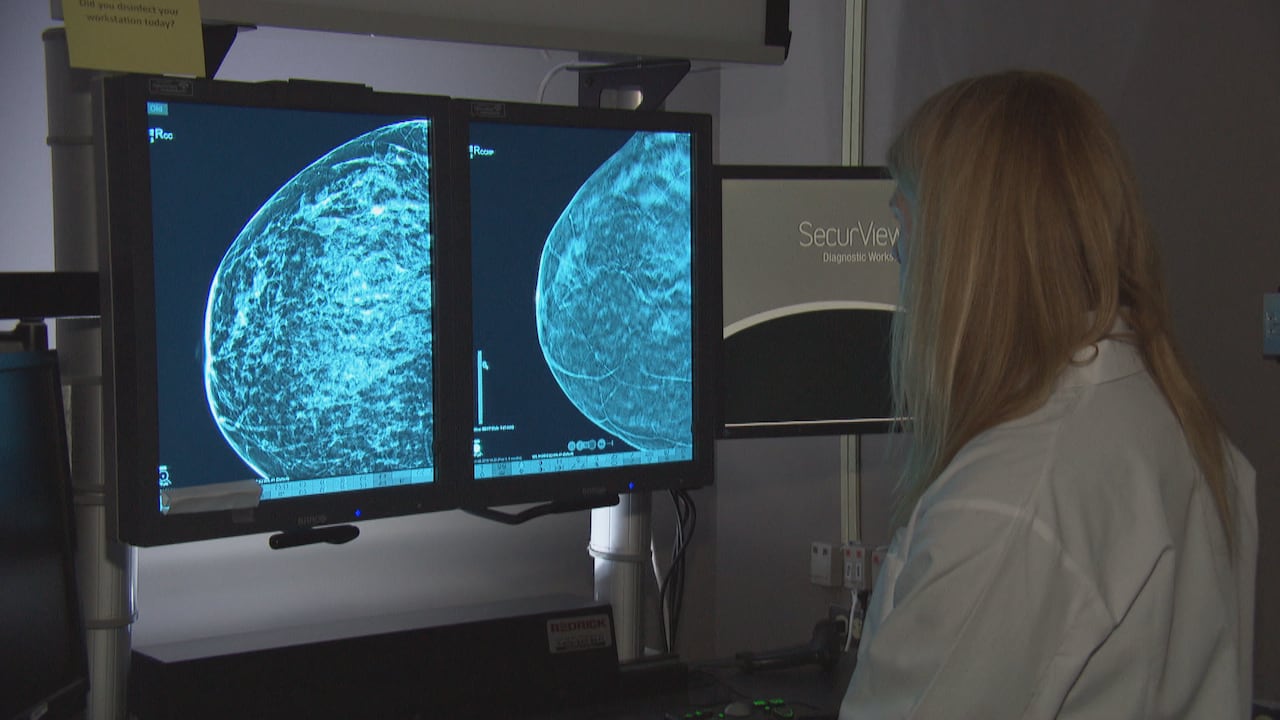
Dr. Sarah Mitchell, a radiologist at the Regina Breast Health Centre, has observed a significant uptick in appointment cancellations over the past six months. “We’re seeing women who are genuinely frightened about coming in for their routine screenings because they’ve read something online claiming mammograms cause cancer or aren’t necessary,” she explained.
The Saskatchewan Cancer Agency, which oversees breast cancer screening programs across the province, reports a 12% decrease in screening mammograms since last year. Officials attribute this decline partly to misinformation campaigns targeting women in the 50-74 age group—the demographic most recommended for regular screening.
Much of the misinformation stems from misinterpreted scientific studies, out-of-context statistics, and conspiracy theories circulating on Facebook groups, TikTok videos, and WhatsApp messages. Common myths include claims that mammogram radiation causes more cancer than it detects, that thermography is a superior alternative, or that the compression during mammograms can spread existing cancer cells.
“These claims have been thoroughly debunked by multiple large-scale studies,” said Dr. Robert Thompson, Chief Medical Officer at the Saskatchewan Cancer Agency. “The radiation dose in a modern mammogram is equivalent to the background radiation a person would receive during about seven weeks of normal living. The benefits far outweigh any theoretical risks.”
Health authorities are particularly concerned about the timing of this misinformation wave, as it coincides with efforts to recover from screening backlogs that developed during the COVID-19 pandemic. In 2022, Saskatchewan launched an initiative to increase mammogram participation rates, which had fallen from 65% pre-pandemic to just 51% in 2021.
The Canadian Cancer Society estimates that about 28,600 Canadian women will be diagnosed with breast cancer in 2023, with approximately 790 of those cases in Saskatchewan. Regular screening remains the most effective tool for early detection, when treatment is most likely to be successful.
Indigenous communities in northern Saskatchewan, where access to healthcare services is already limited, have been disproportionately affected by the spread of misinformation. Community health workers report that culturally specific rumors about mammograms have gained traction in some areas.
“We’ve worked hard to build trust and increase screening rates in northern communities over the past decade,” said Marlene Dumas, an Indigenous health coordinator. “This misinformation threatens to undo years of progress, which is especially concerning because late-stage diagnoses are already more common in remote areas.”
The Saskatchewan Health Authority has launched a counter-campaign focused on evidence-based education about mammogram safety and efficacy. The initiative includes social media content, community forums, and informational materials distributed through primary care providers.
Digital literacy experts suggest the spread of medical misinformation represents a broader challenge facing Canadian healthcare systems. Dr. Linda Harris, who studies online health information at the University of Saskatchewan, notes that the problem extends beyond mammograms.
“We’re seeing similar patterns with vaccines, medications, and other preventive screenings,” Harris said. “Healthcare systems need to develop more robust strategies for addressing misinformation that acknowledge people’s legitimate questions while providing accurate, accessible information.”
Medical professionals emphasize that women should consult their healthcare providers rather than social media for guidance on breast cancer screening. They also recommend trusted sources such as the Canadian Cancer Society and the Saskatchewan Cancer Agency for evidence-based information.
“A mammogram takes just minutes and could save your life,” Dr. Mitchell added. “We understand that women may have concerns, and we’re happy to discuss them—but please don’t let unfounded fears prevent you from getting potentially life-saving screening.”
Fact Checker
Verify the accuracy of this article using The Disinformation Commission analysis and real-time sources.

10 Comments
This is deeply concerning. Mammograms are a proven, effective tool for early breast cancer detection, which is crucial for successful treatment. I hope the healthcare providers can find ways to counter this misinformation and encourage women to continue their regular screening appointments.
Mammograms may not be 100% risk-free, but the benefits far outweigh the small potential downsides. Any medical procedure carries some level of risk, but the lifesaving potential of early cancer detection makes regular mammograms essential. I hope the authorities can quickly address this misinformation campaign.
Absolutely. When it comes to public health, we need to rely on credible scientific evidence, not unsubstantiated rumors. Mammograms save lives, and that should be the focus.
Mammograms save lives, plain and simple. While no medical test is 100% risk-free, the benefits far outweigh the potential downsides. I hope the authorities can quickly dispel these unfounded myths and get more women back into the screening program.
Agreed. Breast cancer is a serious issue, and early detection through mammograms gives women the best chance of successful treatment. Spreading misinformation on this topic is irresponsible and puts lives at risk.
This is really concerning. Mammograms are a crucial tool for detecting breast cancer early, when it’s most treatable. I hope the healthcare providers can find effective ways to combat these false claims and reassure women about the safety and importance of regular screenings.
It’s unfortunate to see misinformation spreading about the safety of mammograms. These screening tests are essential for catching breast cancer early, when it’s most treatable. I hope the authorities can quickly address these false claims and get more women back into the screening program.
Agreed. Reputable medical organizations need to amplify the facts about mammogram safety and efficacy to counter these unfounded fears. Accurate information from trusted sources is key.
It’s concerning to see misinformation spreading about the importance of mammograms. Screening tests like these are critical for early cancer detection and treatment. I hope the healthcare providers can find ways to address these unfounded fears and encourage women to continue their regular checkups.
Absolutely, misinformation can be very damaging when it comes to public health. Reputable sources need to be amplified to counter these false claims.