


Listen to the article
Northern Nigerian Female Islamic Scholars Mobilize Against Misinformation
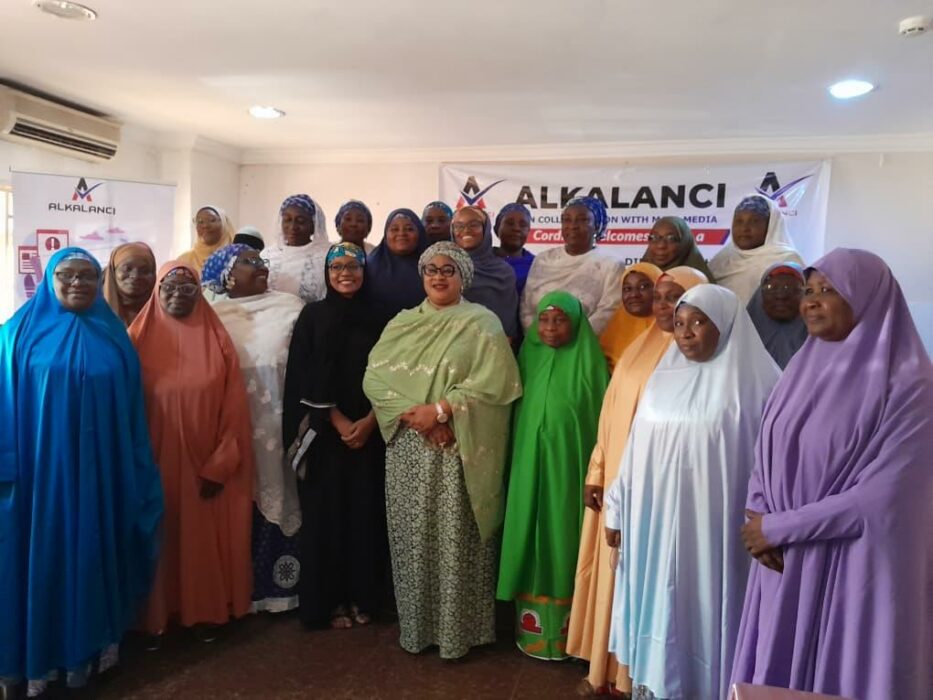
A cohort of female Islamic scholars and teachers in Kaduna State has vowed to combat the spread of misinformation by incorporating media literacy training into their educational curriculum, following their participation in the Alkalanci Media and Information Literacy Training program.
The initiative represents a grassroots approach to addressing the growing concern of false information in a region where unverified claims can quickly escalate tensions. The scholars have committed to dedicating time during regular Islamiyya (Islamic education) sessions to equip students with critical thinking skills necessary for identifying and questioning dubious content before sharing it.
“We cannot keep this knowledge to ourselves,” said Malam Khadija, one of the program participants. “Our students are vulnerable. They spread information without thinking, they believe everything they read. That has to change and we are the ones who can change it.”
The scholars emphasized that their approach aligns perfectly with Islamic teachings, which have long encouraged verification and discretion in disseminating information. What makes this initiative particularly significant is how it translates these traditional religious principles into practical tools for navigating today’s digital landscape, where social media platforms have accelerated the spread of unverified claims.
Kaduna State has experienced periodic interfaith tensions over the years, making the control of misinformation particularly crucial for maintaining social harmony. False narratives spread via social media have been implicated in several instances of community conflict across northern Nigeria, highlighting the urgency of this intervention.
Beyond classroom instruction, the scholars plan to conduct step-down trainings for other teachers, religious leaders, and community members. This cascade approach aims to create a wider network of informed individuals who can recognize and resist harmful narratives and manipulation attempts.
“This is not a Muslim problem or a Christian problem,” noted one participant. “It is a human problem. And we need every religious leader, every imam, every pastor, every teacher equipped to address it.”
Their call for extending similar media literacy programs to both Muslim and Christian religious leaders reflects an understanding that misinformation transcends religious boundaries and requires a unified response from all community stakeholders.
The timing of this initiative is particularly relevant given the proliferation of digital media in northern Nigeria. Mobile internet penetration has grown substantially in recent years, exposing more people to online content without necessarily equipping them with the critical skills to evaluate what they consume.
Security analysts have long identified misinformation as a multiplier of conflict in fragile regions like northern Nigeria. By targeting young students in religious schools, the program addresses a demographic that is both vulnerable to misinformation and potentially influential in either spreading or stopping it.
The scholars’ approach focuses not only on teaching students what to think but on encouraging them to ask critical questions before accepting or sharing information—a skill that extends beyond identifying misinformation to fostering intellectual independence.
As these teachers return to classrooms across Kaduna State, their initiative represents a promising model for how traditional educational institutions can adapt to contemporary challenges. Their efforts could potentially nurture a new generation of students guided by principles of caution, truth, and responsible communication—values that are increasingly essential in today’s information ecosystem.
The program also demonstrates how women in religious leadership positions can play pivotal roles in community resilience and social cohesion, leveraging their trusted status to introduce progressive educational reforms.
Fact Checker
Verify the accuracy of this article using The Disinformation Commission analysis and real-time sources.

10 Comments
This is an important initiative to combat the spread of misinformation, especially in regions where unverified claims can escalate tensions. Empowering female Islamic scholars to incorporate media literacy into their teachings is a smart grassroots approach.
Agreed. Teaching critical thinking skills to students on identifying and questioning dubious content is crucial. This aligns well with Islamic principles of verification and discretion in disseminating information.
It’s encouraging to see the female Islamic scholars taking a proactive stance on this issue. Equipping students with the tools to discern truth from falsehood is a valuable investment in the community’s long-term resilience.
Absolutely. Their commitment to dedicating time during Islamiyya sessions to build this capability is a smart move. Addressing misinformation at the grassroots level can have a significant impact.
This initiative seems like a positive step in the right direction. Arming students with critical thinking skills to identify misinformation is crucial, especially in regions prone to tensions escalating from unverified claims.
Agreed. The scholars’ commitment to making this knowledge accessible to their students, rather than keeping it to themselves, is commendable. Proactive, community-based approaches like this can be highly effective.
It’s impressive to see the female Islamic scholars taking such a proactive stance on this issue. Incorporating media literacy training into their educational curriculum is a smart and creative solution to address the growing problem of misinformation.
Absolutely. Their recognition that students are vulnerable to spreading unverified information without proper discernment is insightful. This program can set a valuable example for other communities facing similar challenges.
The scholars’ emphasis on aligning their approach with Islamic teachings is a wise strategy. Leveraging religious principles of verification and discretion will likely resonate strongly with the community and bolster the program’s credibility.
You make a good point. Grounding the initiative in established religious values will help ensure buy-in and adoption within the target audience.