


Listen to the article
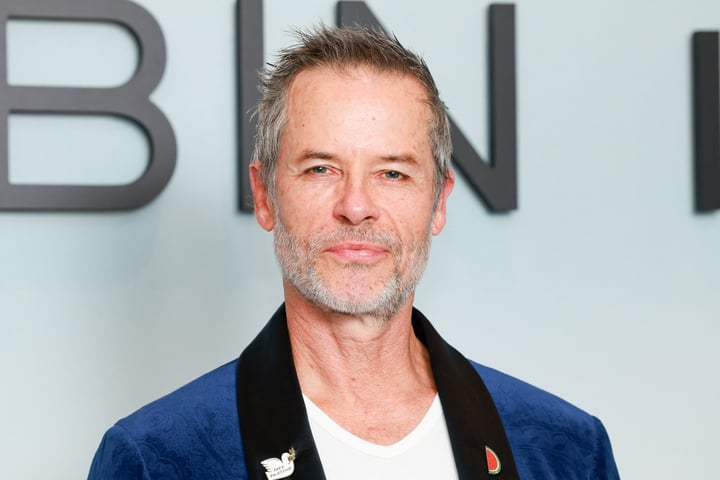
Australian actor Guy Pearce has issued a public apology after sharing content containing what he described as “misinformation and falsehoods” about Israel while expressing his support for Palestine. The actor acknowledged that he “inadvertently” reposted articles containing inaccurate information and has pledged to be more careful in the future.
“I am aware how sharing inaccurate content can cause confusion and distress; for this I am deeply sorry. I will certainly endeavour to be more diligent in future to verify anything I share online,” Pearce told Jewish News in a formal statement.
According to Variety, the problematic content Pearce shared included serious conspiracy theories claiming Israel was responsible for the 2001 September 11 terrorist attacks, allegations linking Israeli officials to the death of conservative activist Charlie Kirk, and statements suggesting Jewish control over major pornography companies.
Reports indicate that Pearce also distributed material connected to widely discredited conspiracy theories, including posts attributed to far-right political commentator and white nationalist Nick Fuentes, a figure known for his extreme and controversial views.
Jewish News reported that in early November, Pearce shared a post reading: “Remember, when Zionists tell you Islam will destroy America… While several major Las Vegas casinos/hotels that have caused gambling addictions, debt and prostitution were created and owned by Jewish Zionists… The Zionists (not Jews) want you to fear the people who stand against the corruption they are creating.”
In the aftermath of his apology and the significant backlash it generated, Pearce announced he would be withdrawing from social media platforms. In a message posted to X (formerly Twitter), he wrote: “I meant every word of that apology but I recognize that meaningful action must accompany any apology.” The actor stated this decision was made to “prevent any further harm.”
This controversy stands in contrast to Pearce’s previous public advocacy for Palestinian causes, which had generally focused on humanitarian concerns. The actor has consistently used his platform and public appearances to show solidarity with Palestine. Earlier this year at the Academy Awards, where he received a nomination for his performance in “The Brutalist,” Pearce wore a small “Free Palestine” pin.
His advocacy was also visible during last year’s Cannes Film Festival, where he sported a pin displaying the Palestinian flag. On previous occasions, he has encouraged his colleagues in the entertainment industry to “please speak up,” suggesting that silence on the humanitarian crisis amounted to “complicity.”
The incident highlights the growing complexities faced by public figures navigating political discourse on social media, where the line between legitimate criticism and harmful misinformation can sometimes become blurred. It also reflects the heightened sensitivities surrounding the Israel-Palestine conflict, particularly in entertainment circles where many celebrities have taken public positions.
Media experts note that this situation serves as a reminder of the responsibility public figures bear when sharing content to their substantial followings, particularly regarding complex geopolitical issues where misinformation can spread rapidly and potentially inflame tensions.
Pearce, known for his roles in films such as “Memento,” “L.A. Confidential,” and more recently “The Brutalist,” has not indicated when he might return to social media or how this incident might affect his advocacy efforts moving forward.
Fact Checker
Verify the accuracy of this article using The Disinformation Commission analysis and real-time sources.

6 Comments
This is an important issue of responsible content sharing. I’m glad to see Mr. Pearce take accountability and commit to being more diligent in verifying information moving forward. Spreading misinformation, even inadvertently, can have serious consequences.
While I appreciate Mr. Pearce’s desire to show support, promoting unverified claims can have serious consequences. I’m glad to see he has recognized the need for more diligent fact-checking and I hope this serves as a learning experience for public figures regarding responsible content sharing.
This situation highlights the importance of maintaining objectivity and truthfulness, even when discussing complex, emotionally-charged issues. I’m encouraged to see Mr. Pearce acknowledge his mistake and commit to doing better in the future.
It’s admirable that Mr. Pearce took responsibility for his actions and issued a sincere apology. Spreading misinformation, even unintentionally, can undermine important discussions and erode public trust. Vigilance is crucial when it comes to verifying information, especially on sensitive topics.
While I understand the desire to show support for causes, it’s crucial that public figures carefully vet the sources and accuracy of any content they share. Promoting false or misleading claims, especially around sensitive geopolitical topics, can be very harmful.
Absolutely. Fact-checking and due diligence are essential, especially for those with large platforms. I hope this serves as a learning experience for Mr. Pearce and encourages more mindful content curation.