


Listen to the article
Veterans’ Legacy and the Cost of Misinformation: A Personal Reflection
As Veterans Day arrives once again, Wisconsin Watch editor Richard Brown reflects on the personal significance of this national observance, connecting his family’s military service to broader themes of truth and accountability in American democracy.
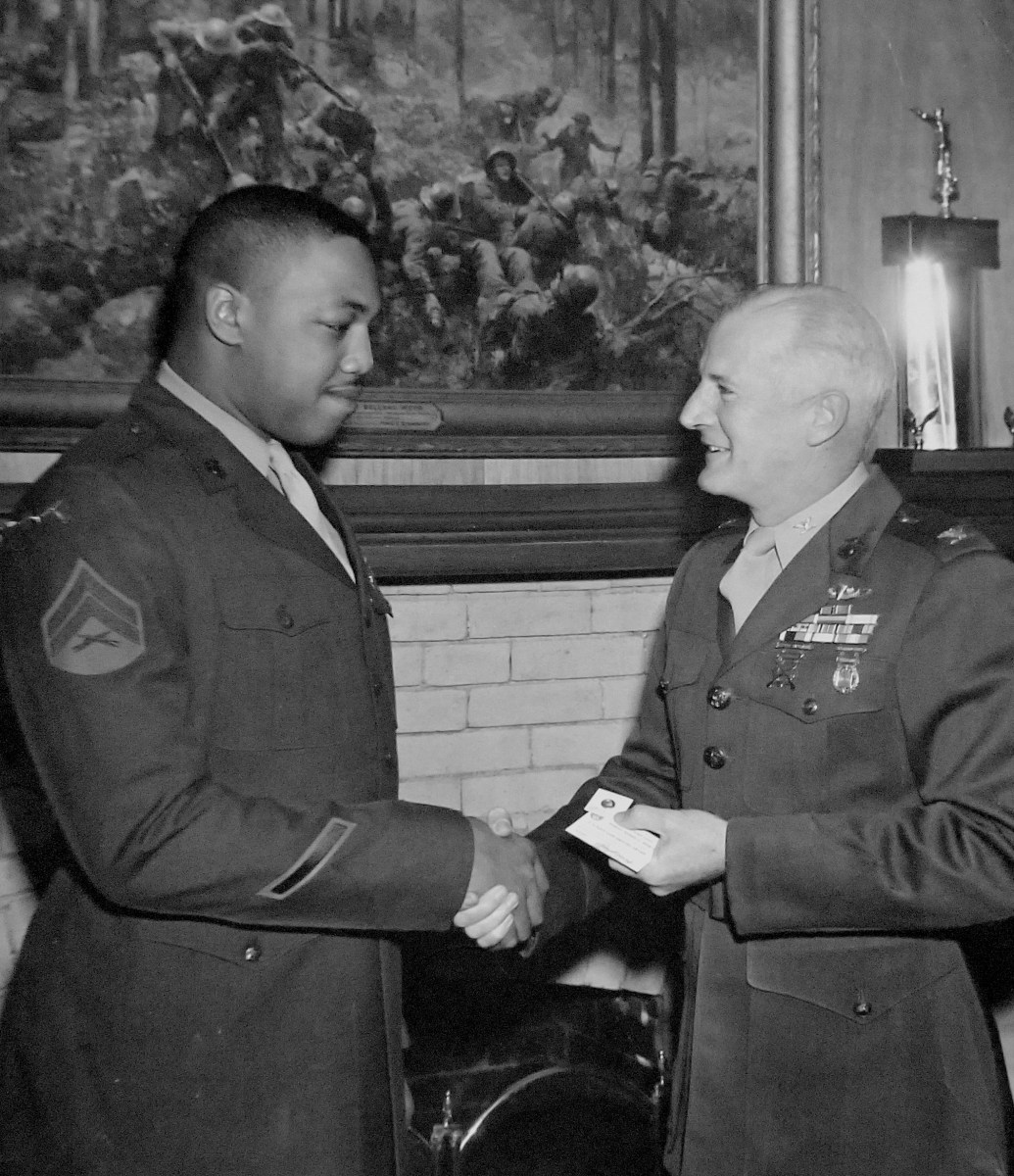
Brown, named after two veteran grandfathers—Richard Franklin Brown who served in the Marines and Eugene Preston who served in the Air Force—views Veterans Day as more than a ceremonial holiday. “Every year, this day reminds me that freedom is something precious that we’ve inherited because it was earned, protected and preserved by those who came before us,” Brown writes in a personal essay published by Wisconsin Watch.
The reflection takes readers beyond personal tribute, using the Gulf of Tonkin incident of 1964 as a historical touchstone to illustrate how misinformation can dramatically alter a nation’s trajectory. The incident, which included a real skirmish on August 2 and a fabricated second attack on August 4, provided the justification for the Gulf of Tonkin Resolution, giving President Lyndon B. Johnson broad powers to escalate U.S. military involvement in Vietnam without a formal declaration of war.
“That decision marked a major escalation of U.S. involvement in Vietnam, costing millions of lives and reshaping American politics, culture and public trust in institutions,” Brown notes. The consequences were particularly severe for Black Americans, who were “recruited and drafted at disproportionate rates and, in many cases, returned home carrying trauma, addiction and lifelong hardship.”
This historical example resonates powerfully today, as debates about misinformation and media reliability continue to shape public discourse. Brown draws a direct line between accurate reporting and democratic resilience, arguing that “truth and trust are not only journalistic values. They are civic obligations that uphold our democracy and protect our shared future.”
Wisconsin Watch, a nonprofit investigative journalism organization, has recently published several reports focused on veterans’ issues in the state. These include investigations into how federal workforce and funding cuts affect Wisconsin veterans, the impact of the planned closure of Klein Hall on homeless veterans, and whether the state legislature would take action to address veterans’ needs.
The publication also compiled a comprehensive list of 12 veteran-related bills currently being considered by Wisconsin lawmakers, providing citizens with actionable information about potential policy changes.
Timing the reflection to Veterans Day serves to emphasize how the sacrifices of military personnel connect to broader civic responsibilities. Brown suggests that both military service and journalistic integrity share common values: endurance, care, and a commitment to truth even under difficult circumstances.
The Gulf of Tonkin example particularly stands out as a cautionary tale about how unchallenged misinformation can lead to devastating consequences. This historical parallel adds depth to what might otherwise be a standard Veterans Day tribute, linking personal gratitude to veterans with a call for institutional accountability.
Wisconsin Watch’s recent reporting on veterans’ issues demonstrates how news organizations can honor veterans not just through ceremonial acknowledgment, but through substantive reporting on policies and challenges affecting their lives.
As Veterans Day 2025 approaches, Brown’s reflection serves as both a tribute to those who served and a reminder of the ongoing work required to preserve the democratic principles they defended. “To all who have served and to everyone who stands for accuracy, transparency and fairness, thank you!” Brown concludes. “Your courage and commitment make freedom a reality and a treasured gift for us all.”
Fact Checker
Verify the accuracy of this article using The Disinformation Commission analysis and real-time sources.

10 Comments
As someone with a family history of military service, I find this personal reflection on the Gulf of Tonkin incident and its lasting impact to be quite powerful. It’s a stark reminder that the sacrifices of our veterans can be undermined by the spread of falsehoods and the abuse of power.
Well said. We owe it to our veterans and their legacies to ensure that the lessons of the past are not forgotten, and that we remain vigilant against the misuse of information that can lead to such tragic consequences.
This is a fascinating case study on the dangers of confirmation bias and the power of narrative. It’s a good lesson in the importance of critical thinking and fact-checking, even when it comes to official government accounts.
Absolutely. In today’s information landscape, we must be vigilant in separating truth from fiction, no matter the source. Ensuring accuracy and accountability should be a top priority for both policymakers and the public.
The Gulf of Tonkin incident serves as a sobering reminder of how misinformation can have far-reaching consequences. It’s crucial that we learn from such historical events and remain vigilant against the spread of falsehoods, especially when it comes to matters of national security.
Agreed. Transparency and factual reporting are essential to maintaining public trust and making informed decisions. We must be diligent in verifying information, especially during times of crisis or conflict.
The Gulf of Tonkin incident is a sobering example of how a single event can be distorted and used to justify a major escalation of military involvement. It’s a cautionary tale that highlights the importance of independent, fact-based journalism in holding those in power accountable.
The Gulf of Tonkin incident is a sobering example of how easily misinformation can escalate into full-scale military conflict. It’s a cautionary tale that highlights the need for robust checks and balances, as well as a free and independent press, to hold those in power accountable.
This personal reflection on the Gulf of Tonkin incident and its lasting impact on the veterans’ legacy is a powerful reminder of the importance of truth and accountability in our democracy. It’s a sobering lesson on the consequences of misinformation and the need for vigilance in the face of such threats.
Absolutely. We must honor the sacrifices of our veterans by ensuring that the decisions that send them into harm’s way are rooted in facts, not falsehoods. This is a responsibility we all share as citizens.