


Listen to the article
Bangladesh’s Jamaat-e-Islami Leader Warns of Misinformation Campaign Ahead of Critical Elections
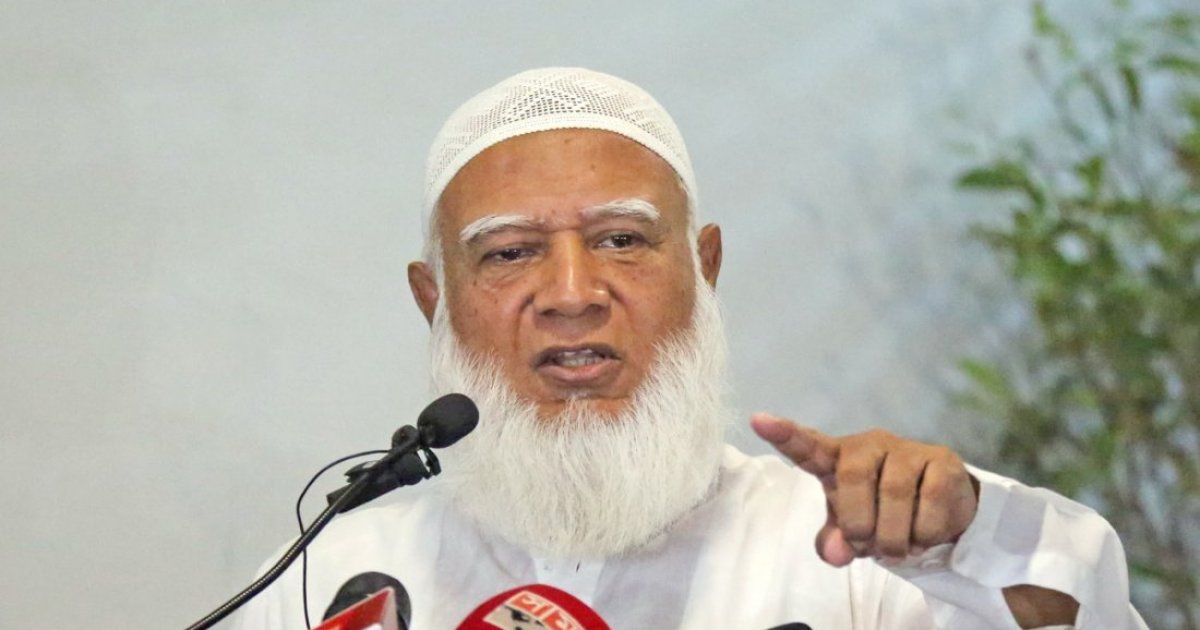
As Bangladesh prepares for what many hope will be a free and fair election, Jamaat-e-Islami’s leader Dr. Shafiqur Rahman has raised concerns about deliberate misinformation being circulated throughout the country.
In a statement posted on his verified Facebook page Wednesday afternoon, Rahman claimed that certain interest groups are actively working to undermine the electoral process through propaganda campaigns. According to the Jamaat chief, these efforts are specifically targeting his party due to its “growing popularity and public support.”
“A vested quarter, alarmed by Jamaat’s increasing support among voters, is attempting to mislead the electorate through false information,” Rahman stated. He urged Bangladeshi citizens to remain vigilant and disregard such misinformation as the nation approaches this critical vote.
The upcoming election represents a significant moment for Bangladesh, which has struggled with questions about electoral integrity in recent cycles. Political analysts note that the country’s democratic institutions have faced mounting pressure, with opposition parties frequently claiming harassment and restrictions on campaign activities.
Rahman emphasized the fundamental importance of voting rights in his message. “Voting is both a constitutional right and a sacred responsibility,” he wrote, encouraging citizens to “vote for the candidate and symbol of your choice—that is what the entire nation expects.”
In a separate post specifically targeting younger voters, Rahman made a direct appeal to what he called the “Gen-Z generation,” urging their active participation in the electoral process. His message strategically referenced the “July revolution,” framing these young voters as the “heroes” whose “courage and sacrifice created an environment for a festive election after a long time.”
The reference to July’s events highlights the political upheaval Bangladesh experienced earlier this year, when youth-led protests created significant pressure on the government. These demonstrations have reshaped the political landscape heading into the election.
“Tomorrow is the time for you to lead once again,” Rahman told young voters. “Through a voting revolution, let the whole world know that you are the architects of a new Bangladesh.”
Jamaat-e-Islami, an Islamist political party, has had a controversial role in Bangladesh’s political history. The party was banned from participating in the 2014 election after the cancellation of its registration by the High Court. However, it has maintained a significant support base in certain regions of the country.
Political observers suggest that Rahman’s warning about misinformation may be an attempt to preemptively address criticism of his party or to bolster turnout among supporters who might be influenced by negative messaging. The statement also reflects the increasingly contentious information environment surrounding Bangladeshi elections, where social media has become a key battleground.
Election officials have previously expressed concern about the spread of false information during campaign periods, acknowledging the challenge of monitoring and countering misinformation across multiple platforms.
As polling stations prepare to open, international observers and human rights organizations continue to monitor the situation closely. The election is viewed as a critical test for Bangladesh’s democratic institutions and its ability to conduct a transparent electoral process that reflects the will of its citizens.
Rahman’s appeal to voters, particularly youth, signals recognition of demographic shifts in the electorate and the growing influence of social media in shaping political discourse in Bangladesh.
Fact Checker
Verify the accuracy of this article using The Disinformation Commission analysis and real-time sources.

14 Comments
The Jamaat-e-Islami leader’s warning about misinformation efforts targeting his party is concerning. Ensuring a level playing field for all candidates is crucial for a credible election.
Absolutely. Spreading false narratives to undermine political opponents is a serious threat to the integrity of the democratic process that must be addressed.
This issue highlights the ongoing global challenge of combating the spread of misinformation, especially around critical elections. Vigilance and a commitment to facts are essential for preserving democratic institutions.
Absolutely. Ensuring a free and fair electoral process requires proactive steps to identify and counter false narratives that seek to manipulate or mislead voters.
It’s troubling to see political groups allegedly trying to sway voters through misinformation campaigns. Transparent, impartial election oversight is vital to protect the democratic process.
I agree. Voters deserve access to accurate, objective information to make their own informed choices, free from attempts to manipulate or mislead.
This highlights the ongoing challenges many countries face in combating the spread of misinformation, especially around critical elections. Vigilance from both authorities and citizens is crucial to uphold democratic integrity.
Absolutely. Proactive steps to fact-check claims and counter false narratives are important to ensure the electoral process is not undermined by disinformation tactics.
The Jamaat-e-Islami leader’s concerns about deliberate misinformation campaigns are valid. Safeguarding the integrity of elections should be a top priority for authorities and the public alike.
Agreed. Voters must have access to reliable, unbiased information to make their choices. Efforts to undermine that through disinformation tactics are deeply concerning.
Concerning to hear about potential misinformation campaigns targeting Bangladesh’s upcoming elections. It’s critical that voters remain vigilant and seek out reliable, unbiased information to make informed decisions.
I agree. A free and fair election process is essential for a healthy democracy. Spreading false information to sway voters is a serious issue that should be addressed.
This story underscores the ongoing global challenge of combating the spread of misinformation, especially around sensitive political issues. Fact-checking and media literacy are essential for citizens.
I agree. Maintaining trust in democratic institutions requires robust efforts to identify and counter false or misleading information targeting the electoral process.