


Listen to the article
Political observers are sounding alarms over what they describe as a systematic effort to influence election outcomes through various tactics ahead of the upcoming presidential contest.
During a recent broadcast discussion, co-host Michael Steele outlined several concerning strategies allegedly being implemented, including pushing states to redraw House districts, campaigning to end mail voting, attacking the legitimacy of voting machines, and seeking to obtain millions of voters’ private information.
Steele noted the presence of military personnel in metropolitan areas across the country, particularly in Democratic-leaning states with traditionally higher voter turnout. “If you can cut that short on the front end, you have to worry less about it on Election Day on the back end,” Steele said, suggesting these deployments could potentially impact voter participation.
He characterized these developments as following “the authoritarian playbook” and emphasized that these tactics are unfolding in plain sight, urging viewers to recognize the pattern.
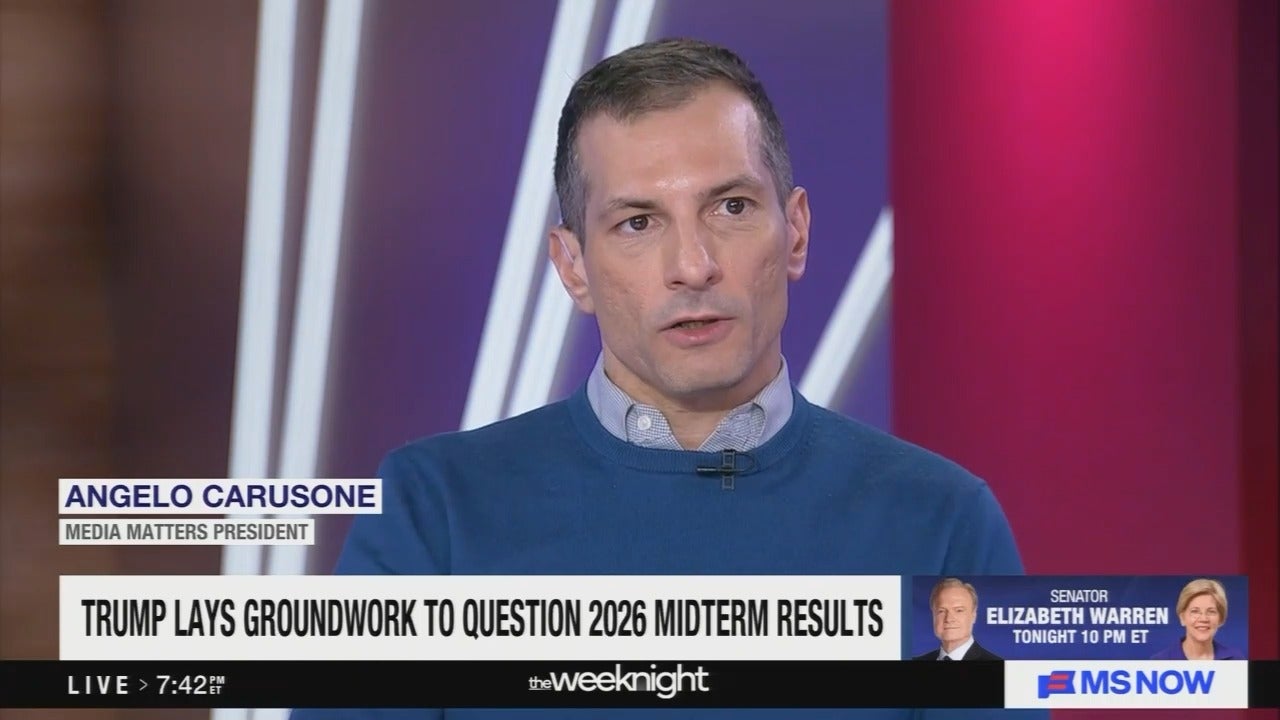
Media analyst Angelo Carusone, who appeared as a guest on the program, agreed with Steele’s assessment, drawing parallels to international politics. “We see this in international law, in the international arena. Might makes right, power and the exercise of power to implement your ideas,” Carusone said, questioning why similar principles wouldn’t apply domestically.
Carusone expressed particular concern about the changing media landscape compared to the 2020 election cycle. He described the misinformation ecosystem of four years ago as “quaint” compared to current conditions, pointing to significant shifts in media ownership and control.
Among the changes highlighted was Oracle co-founder Larry Ellison’s potential influence over TikTok, the diminished role of CBS News as a traditional news authority, and the acquisition of local media properties by Trump-affiliated entities. These developments, according to Carusone, create a more potent ecosystem for amplifying certain narratives than what existed during the previous presidential election.
Despite this evolving landscape, Carusone emphasized that response options remain available, though they are becoming increasingly limited. He called for Republican senators who have previously expressed concerns to take concrete actions, suggesting they should publicly declare they won’t tolerate certain behaviors.
Carusone proposed that these senators should commit to potentially changing their party affiliation and caucusing with Democrats if they observe concerning developments. “They need to start drawing red lines,” he stressed, adding that applying political pressure might motivate such commitments.
The discussion reflects growing anxiety among some political observers about electoral integrity and the influence of media consolidation on public discourse. Media ownership has become an increasingly contentious issue in recent years, with concerns about the potential impacts on news coverage and information dissemination during critical election periods.
As the presidential election approaches, the conversation illustrates the heightened scrutiny being placed on both electoral systems and the information ecosystem that shapes public understanding of political events. Carusone concluded by emphasizing the urgency of building “antibodies into the system” to address these challenges, asserting that these developments represent the current political reality.
Fact Checker
Verify the accuracy of this article using The Disinformation Commission analysis and real-time sources.

8 Comments
Interesting insights into the concerning tactics allegedly being used to influence elections. It’s critical that voters are aware of these issues and stay vigilant in protecting the integrity of the democratic process.
Agreed, these strategies seem concerning and anti-democratic. Voters must be informed and engaged to safeguard free and fair elections.
The comparison to the ‘authoritarian playbook’ is quite troubling. We need robust safeguards and nonpartisan oversight to ensure the fairness and transparency of our elections.
Absolutely. Any efforts to undermine voter participation or the legitimacy of election results are deeply problematic and must be strongly condemned.
The deployment of military personnel in certain areas is particularly alarming. This could have a chilling effect on voter turnout and confidence in the electoral process. Strict oversight and transparency are crucial.
Carusone’s perspective on the evolution of misinformation tactics is eye-opening. It’s critical that the media and the public remain vigilant in identifying and calling out attempts to mislead and manipulate.
Agreed, the current media landscape seems increasingly fraught with misinformation. Responsible journalism and citizen engagement are more important than ever.
This is a complex and concerning situation. I hope that the relevant authorities and watchdog groups are closely monitoring these developments and taking appropriate action to protect the electoral process.