


Listen to the article
Philippine Archbishop Calls for Discernment Amid Flood Control Corruption Scandal
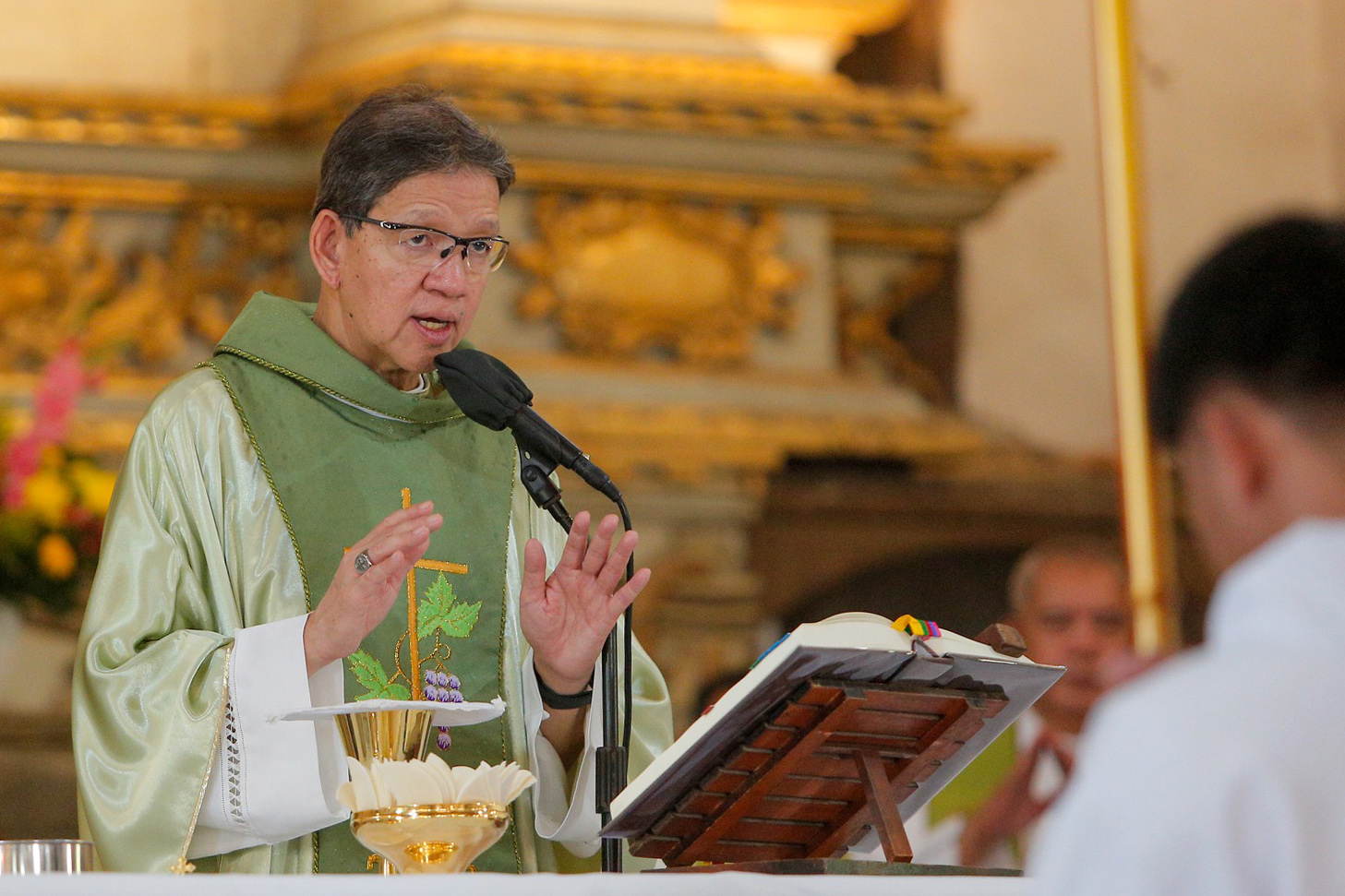
Cebu Archbishop Alberto Uy issued a powerful appeal to Filipinos on Saturday, urging critical thinking and restraint as the nation grapples with an expanding flood-control corruption scandal that has dominated headlines and polarized public opinion.
“Do not spread unverified information. Let us reject misleading narratives that cause anger, division, and fear,” Archbishop Uy stated in his public address. “I appeal to everyone to remain calm, peaceful, and focused on the truth.”
The archbishop’s call comes at a critical moment as investigations intensify into alleged corruption within the country’s flood control infrastructure projects—a particularly sensitive issue in the Philippines, where annual typhoons and monsoon rains regularly cause devastating floods that affect millions of citizens.
The scandal has generated significant political turbulence, with competing narratives emerging from various government agencies, political factions, and social media channels. This information overflow has created an environment where misinformation can flourish, prompting the Church leader’s intervention.
“We call for a thorough, democratic, and impartial investigation—free from political pressure. No whitewashing. No cover-ups. No protection for anyone involved,” Uy emphasized, reflecting growing public concern about potential political interference in the corruption probe.
The flood control projects in question represent billions of pesos in public infrastructure investment. For a developing nation like the Philippines, where infrastructure deficiencies already pose significant challenges to economic growth, the alleged misappropriation of these funds carries particularly severe implications for public welfare and disaster preparedness.
Archbishop Uy’s statement aligns with the Catholic Church’s historically significant role in Philippine governance issues. Since the 1986 People Power Revolution that ousted dictator Ferdinand Marcos, the Church has positioned itself as a moral authority and advocate for transparency in a country where corruption has remained a persistent challenge across multiple administrations.
The prelate maintained a balanced approach, emphasizing that justice must be served regardless of political affiliations. “Those found guilty must face the law, and stolen funds must be returned to the people,” he stated, adding that the government bears responsibility for holding corrupt officials accountable while strengthening systems to prevent future abuses.
Importantly, the archbishop cautioned against extralegal responses to the scandal. “We reject all violent or unlawful means of addressing these issues. Violence will only bring more suffering,” he warned, likely mindful of the Philippines’ history of political upheaval and public demonstrations that have sometimes turned violent.
The corruption scandal emerges against a backdrop of economic challenges for ordinary Filipinos, including rising inflation and recovery from pandemic-era economic contractions. Public infrastructure projects like flood control are viewed not just as protection against natural disasters but as critical investments in the nation’s economic future.
Anti-corruption advocates have noted that the scandal represents a test case for President Ferdinand Marcos Jr.’s administration, which came to power promising good governance and transparency—values that carry particular weight given historical allegations against the Marcos family.
Archbishop Uy concluded his statement with a call to faith, asking Filipinos to “pray earnestly—for truth to be revealed, for courage to guide our leaders, and for justice and peace to heal our nation.”
As investigations continue, the scandal highlights the ongoing tension between the Philippines’ robust democratic institutions and persistent governance challenges that have complicated the nation’s development journey despite its significant economic potential in the Southeast Asian region.
Fact Checker
Verify the accuracy of this article using The Disinformation Commission analysis and real-time sources.

8 Comments
Corruption in flood control projects is a serious problem that can have devastating consequences for vulnerable communities. I hope the authorities can swiftly investigate the allegations and bring those responsible to justice.
Absolutely. Proper oversight and accountability measures are essential to ensure critical infrastructure projects benefit the people, not enrich a few at the expense of many.
This is a complex issue that requires a nuanced approach. I hope the investigations can uncover the full extent of the corruption and lead to meaningful reforms to prevent such abuses in the future.
Agreed. Restoring public faith in the government’s ability to manage critical infrastructure projects will be crucial for the country’s long-term resilience and development.
The archbishop’s call for discernment and restraint is timely. With so much conflicting information circulating, Filipinos must think critically and rely on trusted, reputable sources to understand the truth of this scandal.
This is a concerning situation that highlights the importance of fact-checking and resisting the spread of misinformation, especially on sensitive political and infrastructure issues. The archbishop’s call for calm and focus on the truth is commendable.
Agreed. Maintaining objectivity and transparency during corruption investigations is crucial for upholding public trust. Filipinos should be wary of unverified claims from various sources.
Corruption in disaster preparedness and response efforts is particularly egregious, as it can directly put lives at risk. I commend the archbishop for urging Filipinos to stay vigilant and discerning during this challenging time.