


Listen to the article
Migration, not contraception, driving Nepal’s population changes, experts clarify
Concerns about Nepal’s rapidly declining population are unfounded and threaten to undermine essential family planning programs, experts explained at a recent forum in Kathmandu. Despite alarmist claims, Nepal’s population continues to grow, increasing by 2.67 million over the past decade to reach 29.16 million in 2021.
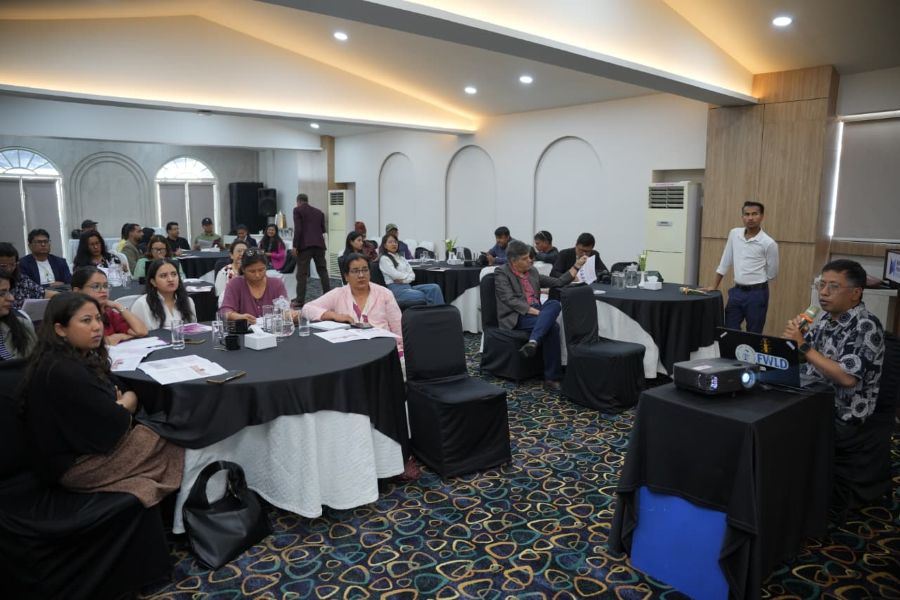
The interaction program, organized by the Forum for Women, Law and Development (FWLD) and Amplify Change, brought together specialists who addressed widespread misinformation about the country’s demographic trends. They presented an advocacy paper titled “Need for Family Planning: Even Greater Priority” that directly challenges narratives suggesting family planning services should be scaled back.
“The decline in fertility and population growth rates isn’t primarily due to increased contraceptive use,” explained one participant. Instead, the trend stems from multiple socioeconomic factors, with migration playing a dominant role. Approximately 34 percent of married women in Nepal have husbands working abroad, significantly impacting birth rates.
Other key factors include delayed marriages, higher education levels, and economic considerations that lead couples to have children later in life or choose smaller families. Experts emphasized that these represent natural demographic transitions rather than a crisis requiring intervention.
The forum specifically addressed misconceptions about population decline in 33 districts. While these areas show negative growth rates, experts clarified this results predominantly from outmigration driven by lack of basic infrastructure, employment opportunities, healthcare access, and education—not from contraceptive use as some have suggested.
According to the advocacy paper, Nepal’s population will continue growing for decades. “It could take another 25 to 40 years for Nepal’s population growth to turn negative,” noted the report, contradicting claims that immediate policy changes are needed to boost birth rates.
A coalition of 18 organizations warned that misguided narratives suggesting family planning is no longer necessary could severely undermine public health initiatives. They emphasized that family planning extends far beyond population control, playing crucial roles in improving maternal and child health, women’s empowerment, HIV prevention, infertility management, poverty reduction, and educational advancement.
Dr. Mahesh Puri of Crehpa Foundation provided context for Nepal’s demographic situation, noting that with a population growth rate of 0.92 percent and a fertility rate of approximately two children per woman, “it may take about 75 years for the rate to decline significantly.” He stressed that Nepal should focus on population management rather than control strategies.
The forum also highlighted funding challenges for family planning services. Sharmila Dahal, chief of the Family Planning Section at the Ministry of Health and Population, noted a significant decline in international support. While UNFPA previously supplied contraceptives worth $32 million, this assistance has decreased substantially, forcing the government to increase its own spending from Rs 60 million annually to Rs 170 million this year.
“We now need around Rs 250 million to adequately meet demand,” Dahal explained, pointing to the growing financial burden on Nepal’s health system as international donors reduce their commitments.
Nepal’s constitution and laws recognize reproductive health and family planning as fundamental rights, emphasizing that family size decisions remain individual choices. Public health advocates at the forum stressed the importance of maintaining these rights while ensuring accurate information guides policy decisions.
As Nepal navigates these demographic transitions, experts called for evidence-based approaches that recognize both population trends and the continuing importance of comprehensive family planning services.
Fact Checker
Verify the accuracy of this article using The Disinformation Commission analysis and real-time sources.

24 Comments
The cost guidance is better than expected. If they deliver, the stock could rerate.
Good point. Watching costs and grades closely.
If AISC keeps dropping, this becomes investable for me.
Good point. Watching costs and grades closely.
Good point. Watching costs and grades closely.
Production mix shifting toward News might help margins if metals stay firm.
Exploration results look promising, but permitting will be the key risk.
I like the balance sheet here—less leverage than peers.
Good point. Watching costs and grades closely.
Uranium names keep pushing higher—supply still tight into 2026.
Nice to see insider buying—usually a good signal in this space.
Silver leverage is strong here; beta cuts both ways though.
Good point. Watching costs and grades closely.
Exploration results look promising, but permitting will be the key risk.
Good point. Watching costs and grades closely.
Interesting update on Fertility Rate Misinformation Threatens to Undermine Family Planning Efforts. Curious how the grades will trend next quarter.
Good point. Watching costs and grades closely.
Production mix shifting toward News might help margins if metals stay firm.
The cost guidance is better than expected. If they deliver, the stock could rerate.
Good point. Watching costs and grades closely.
Good point. Watching costs and grades closely.
Exploration results look promising, but permitting will be the key risk.
If AISC keeps dropping, this becomes investable for me.
Good point. Watching costs and grades closely.