


Listen to the article
Japan’s Fukushima Wastewater Discharge Targeted by Chinese Misinformation Campaign, Reports Say
A coordinated misinformation campaign likely orchestrated by China targeted Japan’s release of treated wastewater from the damaged Fukushima nuclear plant, according to analyses cited in Japanese media reports on Thursday. The campaign, which also extended into South Korea, appears to have been designed to amplify opposition and stoke regional tensions over the controversial water release.
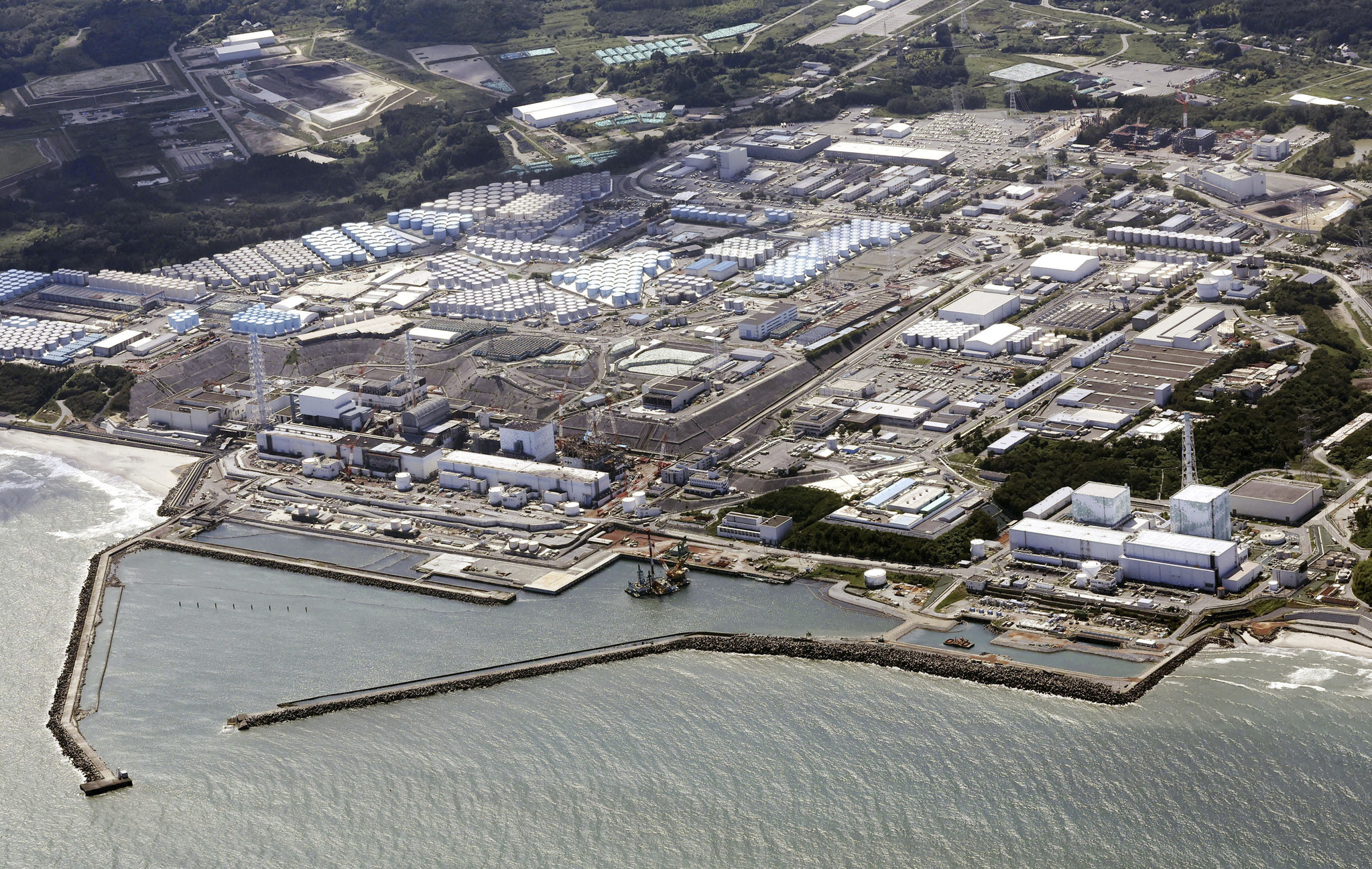
The suspicious online activity began almost immediately after the Japanese government announced in April 2021 its decision to discharge treated radioactive water from the Fukushima Daiichi Nuclear Power Plant. The facility suffered catastrophic damage during the 2011 earthquake and tsunami that devastated northeastern Japan’s Tohoku region.
According to the Japanese newspaper Mainichi Shimbun, critical content first appeared on a Japanese-language TikTok account just two days after the announcement. The account, which used an image of a man reportedly exposed to radiation in China decades earlier as its profile photo, published a series of similar posts over a five-day period.
The operation’s sophistication became apparent when analysts observed how these posts were amplified approximately two months later by what they described as a wave of multilingual engagement. Japanese information analysis company JNI noted that by June, each post had attracted around 1,000 likes and between 670 and 700 comments in English, Korean, and Japanese.
“These appear to be deliberately created accounts engaged in activity designed to make the posts seem widely circulated,” said Nanase Tatsuguchi, a senior analyst at JNI. The company highlighted that many comments contained phrases not typically used by native Japanese speakers and repeatedly referenced “Godzilla” – a term Chinese state media frequently employed when criticizing Japan’s wastewater discharge plan.
The campaign’s scope extended well beyond social media. Microsoft identified a Chinese-linked influence operation known as “Storm-1376” that operated across 175 websites in 58 languages, according to an April 2024 report. The technology company found that this group intensified its activities around August 2023, coinciding with Japan’s commencement of the treated wastewater release.
In South Korea, where the wastewater release has been particularly contentious, the operation uploaded hundreds of critical posts on Korean platforms. Some contained misinformation about public health risks associated with the discharge, while others incorporated inflammatory statements from current President Lee Jae-myung, who was then serving as leader of the liberal Democratic Party.
At the time, Lee had denounced the discharge as “nuclear contaminated water terrorism” and “a second Pacific War” – rhetoric that appeared to be selectively amplified by the misinformation campaign. Microsoft’s report indicated that these posts were designed to deepen political divisions within South Korea.
The Fukushima wastewater release has been a source of significant regional tension. Despite assurances from the International Atomic Energy Agency (IAEA) that Japan’s treated wastewater discharge plan meets international safety standards, China and South Korea have expressed strong concerns. China banned all seafood imports from Japan following the commencement of the release, a move that has significantly impacted Japan’s fishing industry.
This alleged misinformation campaign highlights the increasingly complex landscape of information warfare in international disputes. As countries manage environmental challenges with cross-border implications, the potential for coordinated disinformation efforts to exacerbate tensions and complicate diplomatic solutions appears to be growing.
Japanese authorities continue to maintain that the treated wastewater poses no significant risk to human health or marine ecosystems, pointing to the extensive filtration process that removes most radioactive elements before discharge, with the exception of tritium, which is diluted to levels well below international safety standards.
Fact Checker
Verify the accuracy of this article using The Disinformation Commission analysis and real-time sources.

23 Comments
This seems like a complex geopolitical issue with environmental and public health implications. I hope the relevant authorities can work together to find a solution that prioritizes safety and facts over misinformation.
Absolutely. Misinformation from any source undermines constructive discussions on managing the Fukushima wastewater discharge.
The Fukushima water release is a complex and sensitive issue. I hope all stakeholders, including Japan, China, and the international community, can engage in constructive dialogue to address any legitimate environmental and health risks based on scientific data, not political agendas.
The Fukushima wastewater discharge is a sensitive topic that deserves serious, fact-based discussion. While reports of Chinese misinformation efforts are concerning, we must be vigilant against allowing geopolitical tensions to derail the search for a responsible solution.
Well said. Maintaining scientific integrity and transparency should be the top priorities, regardless of the source of any misinformation campaigns.
The alleged Chinese misinformation campaign on the Fukushima water release is concerning. While Japan’s plans deserve scrutiny, it’s important to rely on credible scientific data and avoid stoking regional tensions unnecessarily.
Agreed. Transparency and open dialogue from all parties is crucial to address this sensitive issue responsibly.
The Fukushima wastewater discharge is a contentious issue, and I can understand the desire to amplify opposition. However, we must be vigilant against misinformation from any source and focus on rigorous, fact-based discussions.
Absolutely. Maintaining transparency and scientific integrity should be the top priorities, regardless of geopolitical maneuvering.
Alleged Chinese misinformation campaigns are concerning, but I’d like to see more independent verification of the claims before jumping to conclusions. This issue requires careful, fact-based analysis from all sides.
Good point. Rigorous, impartial investigation is needed to understand the full scope and origins of any misinformation efforts.
The Fukushima water release is a complex issue with far-reaching implications. Any misinformation or attempts to stoke regional tensions are highly concerning and counterproductive. We need to prioritize open, fact-based dialogue to find the best solution.
Agreed. Geopolitical posturing should not be allowed to overshadow the critical environmental and public health considerations at stake.
While I’m troubled by reports of a Chinese misinformation campaign, I think it’s important to maintain perspective. The Fukushima water release plans should be scrutinized, but we need to avoid knee-jerk reactions and focus on the facts.
Agreed. Geopolitical tensions shouldn’t overshadow the need for a science-based, collaborative approach to this complex environmental issue.
Allegations of a Chinese misinformation campaign on the Fukushima water release are troubling, but we must be cautious about making definitive claims without thorough, impartial investigation. This issue requires a calm, evidence-based approach from all stakeholders.
While I’m concerned about any potential misinformation, I’d like to see more details on the specific allegations and evidence before drawing conclusions. Rigorous analysis of the online activities is needed to understand the scale and intent of this purported campaign.
That’s a fair point. Jumping to accusations without a thorough investigation could undermine legitimate public concerns. A measured, evidence-based approach is warranted here.
While I’m concerned about reports of a Chinese misinformation campaign, I think it’s important to carefully evaluate the evidence and avoid jumping to conclusions. This issue deserves a measured, evidence-based approach from all parties involved.
This is a delicate situation that requires thoughtful, impartial analysis. Allegations of misinformation campaigns, while concerning, shouldn’t distract from the core technical and environmental considerations around the Fukushima water release.
Interesting allegations. It’s critical that the public gets accurate, fact-based information about the Fukushima water release, not misinformation campaigns. Transparency and scientific oversight are essential for managing such sensitive nuclear issues.
I agree, we need to be wary of attempts to stoke regional tensions and amplify unfounded fears. Objective data and risk assessments from credible sources should guide the public discourse.
The Fukushima water release is a sensitive topic that deserves serious, evidence-based discussion. Misinformation from any source, whether Chinese or otherwise, only serves to muddy the waters and hinder progress.