


Listen to the article
Australia’s Fire Ant Battle Faces Misinformation Crisis Amid Eradication Efforts
Australia’s national fire ant eradication program is struggling against a tide of online misinformation that has eroded public trust and created space for “anti-government narratives,” according to a newly released independent review.
The invasive species has now infested approximately 850,000 hectares across south-east Queensland and northern New South Wales over the past three years, with additional breakout infestations detected in Central Queensland, threatening to expand their territory further.
“The program’s cautious approach to messaging has limited its ability to respond quickly and proactively, leaving space for emotionally driven opposition and anti-government narratives,” the review stated, highlighting how misinformation about chemical use and environmental impacts has shaped negative perceptions about eradication efforts.
Despite these challenges, the review concluded that eradication remains feasible if “significant issues” are resolved “promptly.” All 19 recommendations from the review have been accepted by the National Fire Ant Eradication Program.
Marni Manning, general manager of operations for the program, acknowledged the communication missteps that allowed misinformation to flourish. “We looked at it and went ‘that’s fanciful — no one is going to believe that,'” Manning said. “What we didn’t realize is that without counter information, it creates a vacuum.”
The review specifically called for major changes in how the program communicates with the public, noting that “community trust is being eroded by unclear messaging, limited visibility of success stories and fatigue.” It also found that field staff “often lack the tools and authority to respond to community concerns or explain program decisions, creating gaps in engagement and trust.”
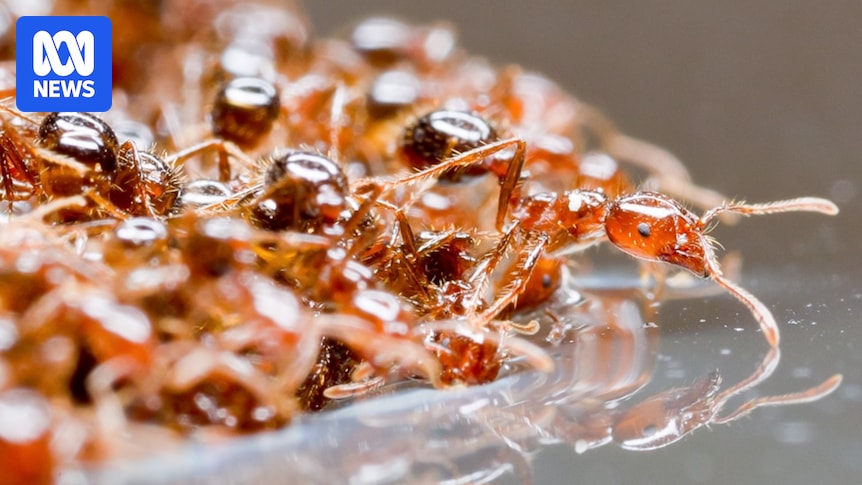
Fire ants pose a severe threat to Australia’s ecosystem and economy. They can swarm and kill native species including reptiles and small mammals, while causing serious injuries to livestock and pets. Economic modeling by the Australia Institute estimates that if left to spread unchecked across the country, fire ants would cost the federal government $22 billion by the 2040s.
In response to the communication challenges, Manning said the program has begun asking qualified experts, farmers, and industry groups to share their experiences with fire ant infestations. The review also suggested embedding program officers into local councils to better coordinate eradication efforts.
“They are actually really well-skilled in biosecurity,” Manning said of local councils. “What we are better doing potentially is providing them access to additional equipment, product and training.”
The current four-year eradication plan, set to be revised in 2027, has received $592 million in combined state and federal funding. However, the review found significant community confusion about the strategy itself, particularly regarding the distinction between “eradication zones” and “suppression zones.”
In eradication zones throughout south-east Queensland, teams from the National Fire Ant Eradication Program directly treat and exterminate nests. Within these areas are designated suppression zones, where landholders are responsible for treating nests found on their own properties. As ant populations are eliminated, the eradication zone gradually contracts inward toward the coast.
Reece Pianta, advocacy manager from the Invasive Species Council, emphasized that the purpose of this strategy needs better explanation. “[Suppression] won’t result in a permanent removal of fire ants from an area,” he explained. “It’s just meant to maintain low fire ant density levels while the eradication program does its work.”
Last year, the Queensland government announced a $24 million Fire Ant Suppression Taskforce to assist landholders within the suppression zone. However, the review noted poor coordination between national and state programs has caused confusion that further fuels misinformation and undermines public confidence.
“The bureaucratic language that we adopt so readily actually serves as a barrier when we have a conversation with broader community,” Manning acknowledged. “Essentially, there’s no split — suppression is part of eradication.”
Despite the challenges, Manning remains optimistic that eradication by 2032 is still achievable. “We have eradicated eight genetically distinct incursions of fire ants in Australia and we have contained them — no other country has done that,” she said.
Fact Checker
Verify the accuracy of this article using The Disinformation Commission analysis and real-time sources.

24 Comments
Eradication of fire ants seems feasible, but the review highlights concerning issues with public trust and misinformation. Addressing these barriers promptly will be critical for success.
Absolutely. Restoring trust through improved communication and responsiveness is an essential first step before effective eradication can take place.
Invasive species like fire ants pose serious ecological and economic threats. While eradication is challenging, the review suggests it’s still possible if the communication and trust issues can be resolved.
Tackling invasive species like fire ants requires careful communication and building public trust. Misinformation campaigns can undermine important eradication efforts, so transparency and engagement are key.
Completely agree. Balancing the need for action with concerns over environmental impacts is a delicate challenge, but open dialogue is crucial.
While fire ant eradication seems feasible, the review’s insights on the misinformation crisis are concerning. Rebuilding trust through better communication will be a significant challenge.
The review highlights the complexities of managing invasive species like fire ants. Balancing environmental protection, public perceptions, and effective communication is clearly a major challenge.
The challenges of combating misinformation and maintaining public support highlight the complexities of environmental management. I hope the recommendations in this review can help steer the fire ant eradication program in the right direction.
This situation underscores the importance of science communication and combating the spread of misinformation, especially on complex environmental issues. Transparency and proactive outreach could go a long way.
Well said. Misinformation can be incredibly damaging, so tackling it head-on with facts and engagement is the best path forward.
Interesting to see the role of misinformation in undermining the fire ant eradication program. Proactive, transparent communication backed by scientific evidence will be key to overcoming this obstacle.
Absolutely. Addressing public concerns head-on and providing clear, factual information is critical for restoring trust and enabling effective eradication efforts.
Invasive species pose serious threats, but eradication efforts can be hampered by misinformation and lack of public trust. This review offers important lessons for improving future programs.
Agreed. Understanding and addressing the root causes of public mistrust is essential for the successful implementation of any eradication program.
The fire ant infestation sounds like a major threat, and I’m glad to see the eradication program is taking steps to address the misinformation issues. Effective public outreach will be crucial for the success of this initiative.
Eradication efforts require a delicate balance of science, communication, and public trust. It’s good to see the review acknowledging these issues and providing guidance to the program.
The review’s findings highlight the delicate balance between environmental protection and public perceptions. Proactive, transparent communication will be crucial to overcome the current crisis of trust.
Interesting that misinformation can derail important eradication efforts. It’s crucial for agencies to get ahead of the narrative and build public trust through transparent, fact-based communication.
This is a prime example of how misinformation can sabotage important public initiatives. Kudos to the program for being open to the review’s recommendations to improve their approach.
Absolutely. Proactive, transparent communication will be key to overcoming the misinformation challenges and maintaining public support for the eradication efforts.
Eradication of an invasive species like fire ants is no easy task, but it’s encouraging to hear that it remains feasible with the right approach. Proactive, evidence-based messaging will be key.
Yes, I agree. Addressing misinformation and fostering public understanding is critical for the success of such programs.
Curious to learn more about the specific misinformation campaigns undermining the fire ant eradication program. Understanding the drivers behind this will be key to developing effective counter-strategies.
Good point. Digging into the nature and sources of the misinformation could provide valuable insights to improve the program’s communication approach.