


Listen to the article
In the digital age, pediatricians warn parents about online advice overload and the anxiety it can create, as social media becomes a double-edged sword for new parents seeking guidance.
For Kodi Rogers, a mother navigating the world of parenting, social media initially appeared to be a helpful resource. However, she quickly discovered its overwhelming nature.
“I feel like I can get caught up in the weeds of what other kids are doing versus what my kids are doing, and it can actually cause me a lot of anxiety to the point where I have to put limitations on my screen time,” Rogers explained.
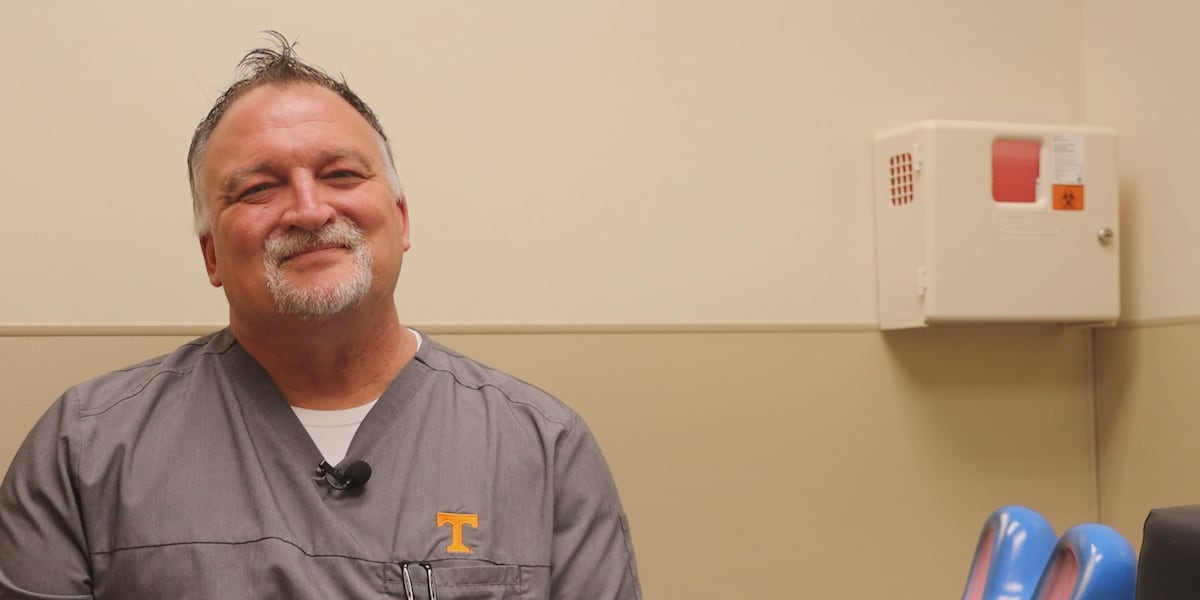
Dr. Cliff James, a pediatrician based in Oak Ridge, Tennessee, confirms this is a common occurrence in his practice. He regularly encounters parents who arrive at appointments with concerns they’ve discovered online.
“The loudest voices are always the ones that are going to say something that’s clickbait,” James noted. “So you’re going to get the most views for something that’s controversial, and even if they don’t believe it, they’re going to say it.”
This phenomenon has become increasingly prevalent as parenting advice on social platforms has exploded in recent years. According to recent surveys, over 70% of new parents turn to social media for parenting guidance, creating a market for both legitimate healthcare professionals and unqualified influencers.
Dr. James has taken a proactive approach to combat misinformation by establishing his own online presence. He reaches tens of thousands of parents through TikTok videos and his website, HelpMommy.com, offering evidence-based advice in an accessible format.
“Probably some of the biggest things are helping people who didn’t have access,” James said. His digital outreach has had global impact, reaching far beyond his Tennessee practice. “I’ve diagnosed meningococcus in the Congo. I have had people contact me and ask me questions in Madagascar and Sudan.”
This global reach highlights both the power and responsibility of medical professionals in the digital space. As telehealth continues to expand, with the market projected to grow at 24% annually through 2030, the ability to provide accurate medical information online becomes increasingly crucial.
The challenge, according to James, is that his helpful content competes with potentially dangerous misinformation. “One of the things that’s frustrating as a doctor is a lot of times people are getting their information from people that if they make the wrong choice and their kid gets sick or bad things happen, those people are never going to be held liable and they’re not the ones who are going to have to take care of them,” he explained.
James warns parents to be particularly wary of content creators making grand claims without credible sources or those selling “miracle” products. Another red flag is advice that lacks nuance or context. “When you hear these things, you have to go back and look at the source and sometimes it’s very compelling,” he cautioned.
The pediatrician recommends that parents trust their instincts when navigating the sea of online advice. “I think if parents just worried less and just spent time in the moment, whatever decisions they make in that moment are going to be the best thing that leads to a good future for their kid,” James advised.
This perspective resonates with Rogers, who has learned to balance online information with her own maternal instinct. “The mom instinct is real,” she affirmed. “You know when your child is struggling with something or when they’re sick, you are your child’s best advocate.”
The American Academy of Pediatrics has also weighed in on this issue, releasing guidelines in 2023 encouraging parents to limit their consumption of parenting content on social media and to verify information with healthcare providers.
Medical professionals emphasize that when uncertainty arises, especially regarding a child’s health, parents should consult their own doctor rather than relying solely on internet sources. This traditional doctor-patient relationship remains the gold standard despite the digital revolution in healthcare information.
As social media platforms continue to evolve their content moderation policies around health information, the responsibility ultimately falls on parents to critically evaluate the parenting advice they consume online.
Fact Checker
Verify the accuracy of this article using The Disinformation Commission analysis and real-time sources.

9 Comments
Interesting to see a pediatrician using TikTok to combat misinformation around parenting. Social media can be a double-edged sword – it provides access to a wealth of information, but also amplifies unsubstantiated claims. Kudos to Dr. James for taking a proactive approach to guide parents.
I can relate to the feelings of anxiety that come from comparing your child’s development to what you see online. It’s important to remember that every child is unique and the ‘loudest’ parenting advice isn’t always the most reliable. Glad to see doctors addressing this issue.
Absolutely, social media creates a lot of pressure and unrealistic expectations for parents. Having trusted medical professionals provide balanced, evidence-based guidance is so valuable.
Parenting is challenging enough without the added pressure of comparing your child’s development to idealized online portrayals. It’s great to see a pediatrician like Dr. James using TikTok to provide a more balanced, evidence-based perspective for parents. A much-needed counterpoint to the ‘clickbait’ advice.
It’s concerning to hear how prevalent parenting misinformation has become on social media. While the platforms can be helpful resources, the ‘loudest’ voices don’t always represent the most reliable advice. Glad to see doctors like Dr. James taking an active role in countering this trend.
Interesting to see a pediatrician taking a proactive approach to combating parenting misinformation on social media. The challenge of separating fact from fiction online is a common issue, and having trusted medical professionals provide guidance is invaluable. Well done, Dr. James.
Combating misinformation around parenting is such an important issue. With the abundance of advice available online, it can be overwhelming for new parents to sort fact from fiction. Kudos to Dr. James for using his platform to share reliable information and support.
The digital age has certainly introduced new complexities for parents seeking guidance. While social media offers access to a wealth of information, it can also create anxiety around unrealistic expectations. Kudos to Dr. James for leveraging TikTok to share reliable, reassuring advice with new moms and dads.
This is a great example of how social media can be leveraged for positive impact. By using TikTok, Dr. James is meeting parents where they are and providing much-needed perspective on navigating the wealth of parenting information out there. Appreciative to see medical professionals taking such a proactive approach.