


Listen to the article
Nigerian Government Launches International Media Literacy Institute to Combat Misinformation
The Federal Government of Nigeria has hailed the establishment of the International Media and Information Literacy Institute (IMILI) as a significant advancement in promoting responsible information consumption and tackling the growing challenge of misinformation in the digital age.
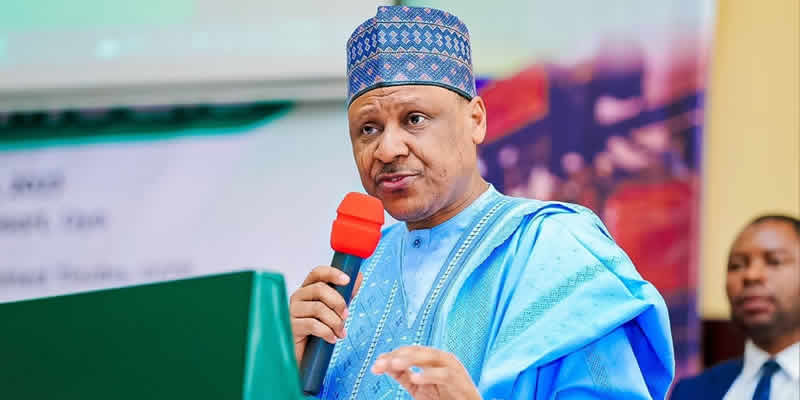
During the concluding session of a two-day launch event hosted at the National Open University of Nigeria (NOUN), Minister of Information and National Orientation Mohammed Idris described the initiative as “a defining moment for Nigeria and the global community” in the field of media literacy.
Dr. Dili Ezughah, Executive Secretary of the Nigerian Press Council, represented the minister at the ceremony and emphasized that IMILI aligns perfectly with President Bola Ahmed Tinubu’s Renewed Hope Agenda, particularly its focus on transparency and civic engagement.
“This marks the beginning of a transformative journey, not just for Nigeria, but for Africa and the global community,” Ezughah stated. “IMILI is more than an institution; it is a platform for collaboration, innovation, and measurable impact in media and information literacy.”
The institute represents a significant achievement for Nigeria as it becomes home to a UNESCO Category 2 institute dedicated specifically to media and information literacy. This designation places Nigeria in a position of leadership in addressing information challenges across Africa and beyond.
According to the ministry, IMILI will serve as a global hub for research, capacity building, and policy dialogue, bringing together educators, journalists, policymakers, and youth leaders. The launch event included the presentation of IMILI’s Strategic Plan for 2026-2030, establishing a roadmap for the institute’s operations and sustainability.
The timing of this initiative is particularly relevant as nations worldwide grapple with the proliferation of misinformation and declining public trust in traditional information sources. The Nigerian government emphasized that media literacy has become increasingly critical in an era characterized by rapid technological advancement and artificial intelligence.
“The ability to think critically, verify information, and engage responsibly is fundamental to building resilient societies and safeguarding democratic institutions,” noted Idris in his remarks. “At a time when information can both unite and divide, IMILI provides the tools to ensure that knowledge empowers rather than misleads.”
The establishment of IMILI comes amid growing concerns about the impact of misinformation on democratic processes globally. Nigeria, Africa’s most populous nation, has faced its own challenges with information disorder, particularly during election cycles and periods of social unrest. The institute aims to equip citizens with the skills needed to navigate complex media landscapes.
The minister called for a collaborative approach to ensure IMILI’s success, highlighting the need for partnerships between government agencies, private sector entities, academic institutions, media organizations, civil society groups, and international partners like UNESCO.
Notable attendees at the launch included former Minister of Information and Culture Lai Mohammed, NOUN Vice Chancellor Professor Uduma Oji Uduma, IMILI Director Dr. Sharon Omotosho, and Nigerian Institute of Public Relations President Dr. Ike Neliaku.
Media literacy experts suggest that initiatives like IMILI could play a crucial role in addressing information challenges on the continent. Africa has seen a dramatic increase in internet penetration and social media usage in recent years, but educational systems have not always kept pace with teaching critical digital literacy skills.
The Federal Government reaffirmed its commitment to supporting the institute’s mission and working with UNESCO and other partners to ensure its effectiveness. As one of the few UNESCO-designated centers focusing on media literacy in Africa, IMILI is positioned to influence information policy and education across the region.
With its official launch, the institute now begins the work of implementing programs aimed at strengthening media literacy at both institutional and grassroots levels throughout Nigeria and beyond.
Fact Checker
Verify the accuracy of this article using The Disinformation Commission analysis and real-time sources.

10 Comments
The launch of this media literacy institute is a welcome development. Strengthening critical thinking around information sources and content is key to combating misinformation and building a more transparent, accountable public discourse.
The launch of this media literacy institute is an encouraging sign that the Nigerian government is taking the challenge of misinformation seriously. I’m curious to learn more about the specific programs and initiatives they plan to implement.
Same here. It will be interesting to see how they engage with local media outlets and communities to drive lasting change.
Media literacy education is crucial for empowering citizens to navigate the information landscape. I’m glad to see Nigeria taking the lead on this issue and hope other countries follow suit.
Promoting media literacy is a critical step in combating misinformation. This new institute in Nigeria could be a model for other countries looking to empower citizens to think critically about the information they consume.
Agreed, equipping people with the skills to identify reliable sources and fact-check claims is essential in the digital age.
This is an important step, but tackling misinformation is an ongoing battle. I hope the institute adopts a comprehensive, evidence-based approach and coordinates with global partners to maximize its impact.
Good point. Collaboration and a long-term commitment will be key to making meaningful progress.
Establishing an institute dedicated to media literacy is a smart move. Equipping people with the skills to discern fact from fiction is essential for a healthy, informed society.
I agree. This could be a model for other nations grappling with the spread of misinformation online and in traditional media.