


Listen to the article
Iran Denies Links to UK Violence as North London Stabbing Escalates Community Tensions
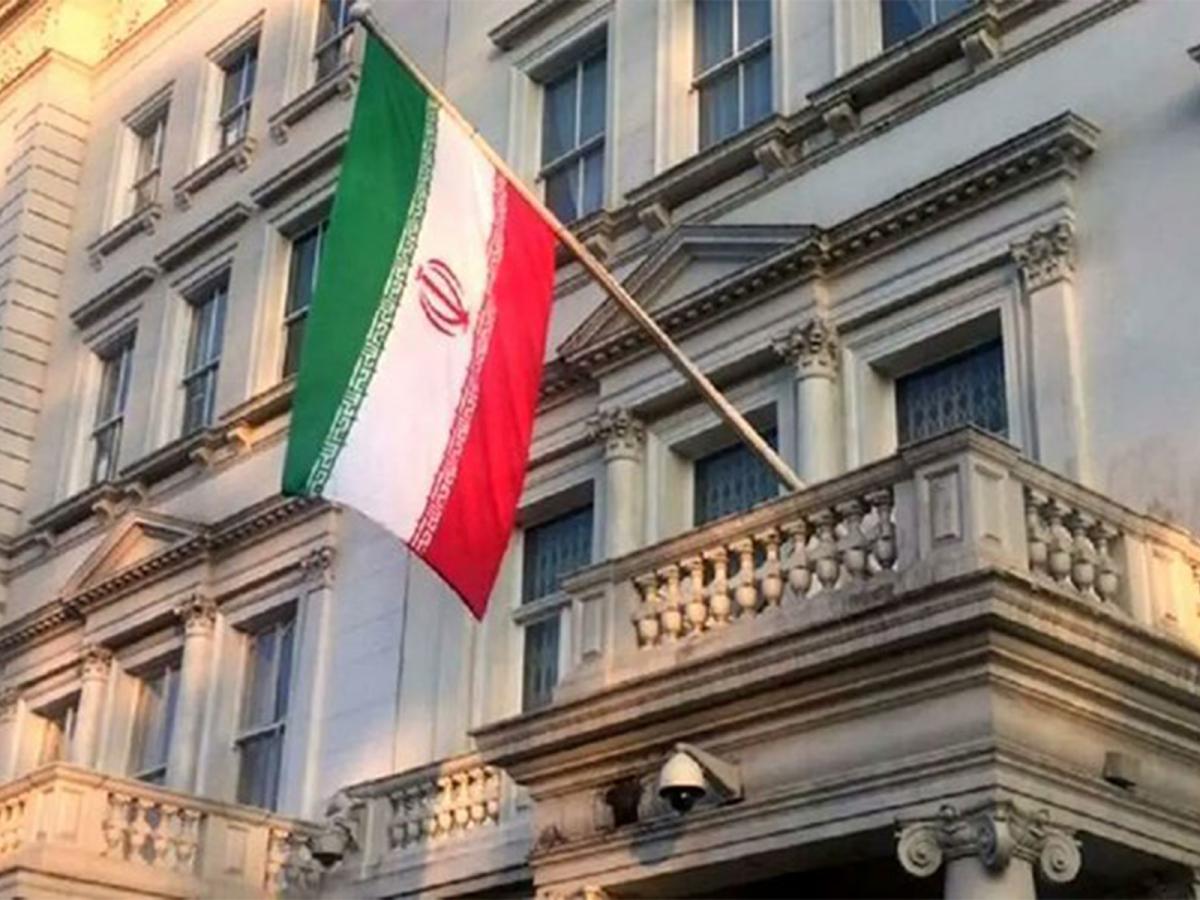
The Iranian Embassy in London has forcefully rejected allegations connecting Tehran to recent violent incidents across the United Kingdom, describing such claims as part of a “fabricated negative media environment” designed to mislead the public.
In a detailed statement released on social media platform X, the embassy characterized the accusations as “baseless” and lacking “credible evidence,” suggesting they “appear to serve narrow political agendas” while distracting from the “real root causes of terrorism and violent extremism.”
The diplomatic mission emphasized Iran’s own status as a “primary victim of terrorism for decades,” citing a history of attacks that have resulted in the deaths of “innocent civilians, high-ranking officials and scientists.” The embassy asserted that Iran “remains at the forefront of the global struggle against terrorism and violent extremism.”
According to the statement, Iranian officials had previously alerted British authorities to “suspicious activities” and “raised concerns with relevant authorities” about the “potential exploitation of ‘false flag’ operations on UK soil.”
This diplomatic response emerges amid heightened security concerns in Britain, most recently exemplified by a violent attack in North London’s Golders Green area, where two Jewish men were stabbed in what authorities have officially designated a terrorist incident.
Metropolitan Police confirmed that a 45-year-old Somali-born British national has been arrested on suspicion of attempted murder. The suspect, who reportedly also attempted to stab police officers, was briefly hospitalized before being taken into custody.
The victims, aged 76 and 34, were attacked at approximately 11:16 am local time on Wednesday. Both remain hospitalized but in stable condition. Laurence Taylor, London’s head of counterterrorism policing, has confirmed the attack’s classification as a terrorist incident.
Security camera footage obtained by CNN shows one victim being assaulted while “standing beside a bus stop, putting on his kippah.” The footage depicts the assailant shoving him against a sign and “repeatedly stabbing him.” A second victim was attacked while “walking down a street.”
London Police Commissioner Mark Rowley told media that the suspect has a “history of serious violence and mental health issues.” Investigators are examining “whether this attack was deliberately targeting the Jewish community in London.”
The neighborhood watch group Shomrim played a crucial role in the suspect’s detention. Rabbi Herschel Gluck told reporters that volunteers “apprehended the stabber and held on to him until the police came.” Mobile phone footage shows the suspect being tasered and detained by officers upon their arrival.
The incident has intensified fear within London’s Jewish community, which was already experiencing heightened anxiety following multiple antisemitic incidents. David Meyer, CEO of the Jewish educational organization PaJeS, expressed concern that such violence is “becoming normalized,” describing an “impossible scenario where the Jewish community day after day is being attacked.”
This stabbing follows several other incidents, including a “suspected arson attack” on a memorial wall. Commissioner Rowley noted a troubling increase in hate crimes, suggesting that “some individuals are being encouraged, persuaded or paid to commit acts of violence on behalf of foreign organizations and hostile states”—a statement that contextualizes the Iranian Embassy’s defensive posture.
In response to these tensions, London police have “significantly stepped up” their presence, with Rowley confirming thousands of extra shifts and 28 arrests, particularly targeting those threatening the Jewish community.
Prime Minister Keir Starmer addressed Parliament regarding the incident, calling the “antisemitic attack” in North London “utterly appalling” while emphasizing his government’s “determination to deal with any of these offenses, the like of which we’ve seen too much recently.”
The attack has also drawn international attention, with Israeli President Isaac Herzog expressing horror at “yet another violent attack on Jews in broad daylight on the streets of London” and urging the British government to “take urgent and immediate action” to prevent further incidents.
Fact Checker
Verify the accuracy of this article using The Disinformation Commission analysis and real-time sources.

22 Comments
The Iranian embassy’s rejection of the UK’s terror allegations and call for caution against ‘false flag’ operations raises important questions that warrant further scrutiny and objective analysis.
Agreed, maintaining an impartial, fact-based approach is crucial when dealing with sensitive security matters that have far-reaching implications.
The Iranian embassy’s warning about potential ‘false flag’ operations is a valid concern that deserves thorough investigation. Maintaining objectivity and transparency is crucial in sensitive security matters.
Agreed, an impartial, fact-based approach is essential to ensure an appropriate and effective response to any security threats.
Iran’s status as a victim of terrorism for decades is a sobering reminder of the complex global security landscape. Addressing the root causes requires nuanced, evidence-based approaches.
An impartial, multilateral effort to understand and tackle terrorism seems necessary to make meaningful progress on this challenge.
The Iranian embassy’s warning about potential ‘false flag’ operations is worth considering. Maintaining transparency and objectivity is crucial when investigating security incidents.
True, false flag allegations are serious and should be investigated thoroughly before drawing any conclusions.
Iran’s status as a victim of terrorism highlights the need for a nuanced, global approach to addressing the complex roots of extremism and violence.
Absolutely, tackling these issues requires cooperation, transparency, and a commitment to evidence-based policymaking.
The Iranian embassy’s warning about potential ‘false flag’ operations is a valid concern that deserves thorough investigation. Maintaining objectivity is crucial in sensitive security matters.
Agreed, an impartial, fact-based assessment is essential to ensure an appropriate and effective response to any security threats.
The Iranian embassy’s rejection of the UK’s terror allegations and call for caution against ‘false flag’ operations raises important questions that warrant further scrutiny.
Agreed, maintaining transparency and open dialogue is key to ensuring a balanced and effective response to security threats.
Iran’s history as a victim of terrorism is an important context that should be carefully considered in this situation. A balanced, evidence-based assessment is needed to address the complex security issues at hand.
Absolutely, avoiding escalation and maintaining open dialogue are essential to finding constructive solutions to these challenges.
Iran’s history as a victim of terrorism adds important context to this situation. Careful consideration of all perspectives is needed to address the complex security issues at hand.
Absolutely, this underscores the need for a comprehensive, evidence-based approach that avoids escalating tensions further.
Iran seems to have a valid point about the need for credible evidence before making accusations. Caution is warranted to avoid escalating tensions or distracting from real security concerns.
Agreed, it’s important to carefully examine the facts and not jump to conclusions, especially on sensitive geopolitical issues.
Iran’s status as a victim of terrorism for decades highlights the need for a nuanced, global approach to addressing the complex roots of extremism and violence. Careful consideration of all perspectives is necessary.
Absolutely, tackling these issues requires cooperation, transparency, and a commitment to evidence-based policymaking that avoids escalating tensions.