


Listen to the article
Rhode Island Secretary of State Urges Caution Against Misinformation in Election Year
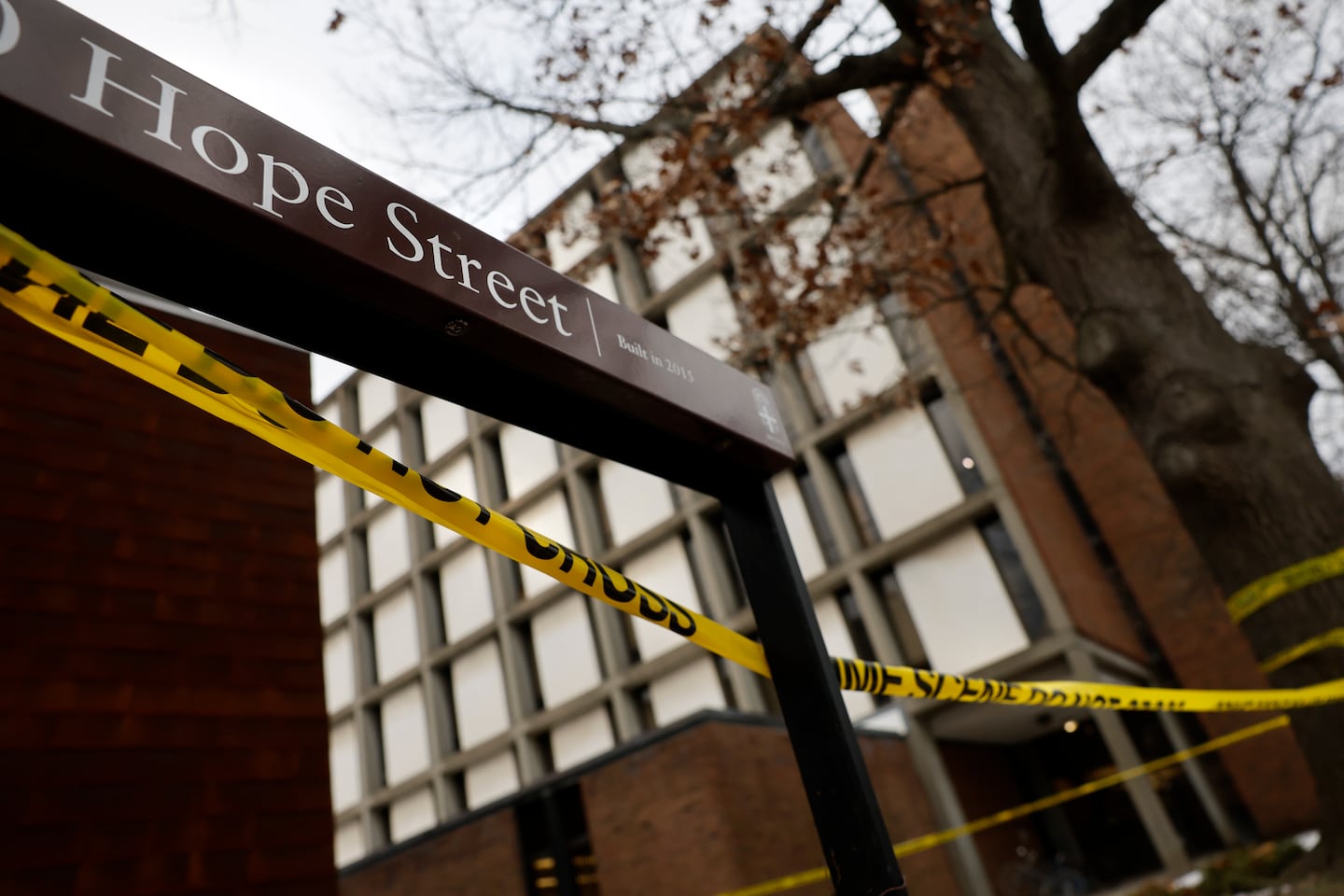
In the aftermath of a recent incident at Brown University, Rhode Island Secretary of State Gregg M. Amore is raising alarms about the dangers of misinformation and its potential impact on the upcoming midterm elections. The incident, which involved an innocent person becoming the target of unfounded accusations spread rapidly online, highlights growing concerns about information integrity in today’s digital landscape.
The Brown University case demonstrated how quickly false information can spread, with unsubstantiated rumors and manipulated images not only hampering law enforcement efforts but also creating dangerous situations for community members. This pattern of misinformation spreading unchecked has become increasingly common across social media platforms.
“In some ways, this is our new reality,” notes Amore, pointing to the convergence of artificial intelligence, algorithmic bias in social media, and deliberate bad actors as factors contributing to this troubling trend.
As Rhode Island approaches the midterm elections, the Secretary expresses near certainty that both misinformation (unintentionally shared falsehoods) and disinformation (deliberately crafted deceptions) will pose significant threats to electoral integrity. Of particular concern are sophisticated “deepfakes” – AI-generated content designed to mislead voters – alongside more organic rumors that can spread with alarming speed.
The consequences could extend beyond mere confusion. Amore warns that such misinformation could potentially disrupt election processes or even suppress voter turnout by deterring citizens from participating. This represents a fundamental threat to democratic functions that rely on an informed electorate.
Rhode Island has been proactive in addressing these concerns. The state has implemented regulations specifically targeting deepfakes in elections, recognizing the unique challenges posed by rapidly evolving technology. However, regulatory measures alone cannot fully address the problem.
“We have the tools to fight back,” Amore emphasizes, advocating for a more thoughtful approach to online sharing, especially during high-stress situations like elections or emergencies. He stresses the importance of critical thinking before sharing information, suggesting that while deliberate disinformation may persist, the unintentional spreading of falsehoods could be significantly reduced through more careful consideration.
The Secretary’s call to action extends to all Rhode Island residents, urging them to verify information through trusted sources before sharing content online. This individual responsibility, combined with official efforts to ensure accessible and accurate election information, forms a two-pronged approach to combating the spread of misinformation.
Media literacy experts have long warned about the accelerating challenges posed by digital misinformation. The combination of increasingly sophisticated AI tools, algorithmic amplification of sensational content, and declining trust in traditional information gatekeepers has created fertile ground for false information to thrive.
The stakes are particularly high during election seasons. Studies have shown that misinformation can not only influence voting decisions but can also undermine confidence in electoral systems themselves, potentially weakening democratic institutions in the long term.
Rhode Island’s focus on this issue reflects similar concerns nationwide, as election officials across the country prepare for what many anticipate will be an election cycle heavily influenced by information integrity challenges.
“We all have a responsibility to do our part to prevent falsehoods and rumors from dividing us further,” concludes Amore, emphasizing that maintaining the integrity of public discourse requires collective effort from officials and citizens alike.
Fact Checker
Verify the accuracy of this article using The Disinformation Commission analysis and real-time sources.

17 Comments
This is a concerning situation that underscores the need for transparency and accountability in law enforcement. Reliable information and fact-based reporting are crucial to maintaining public trust.
I agree. Misinformation can undermine the integrity of investigations and create dangerous situations for the community. Fact-checking and media literacy should be priorities.
Misinformation is a growing challenge that can have far-reaching implications, as seen in this case. Strengthening digital literacy and promoting responsible reporting are key to addressing this issue.
Misinformation can have serious consequences, especially when it interferes with law enforcement investigations. We need to be vigilant about verifying information and not falling prey to online rumors.
The spread of misinformation is a serious problem that can have real-world consequences, as seen in this case. We need to be vigilant about verifying information and not falling prey to online rumors.
This is a sobering reminder of the power of misinformation in the digital age. Fact-based reporting and public education on media literacy are essential to addressing this challenge.
Absolutely. Combating the spread of false narratives requires a multi-pronged approach involving both media professionals and the general public.
Misinformation can undermine the integrity of important investigations and erode public trust. Responsible journalism and digital citizenship are crucial to ensuring justice is served.
It’s concerning to hear how misinformation can hamper critical police investigations. We need to be vigilant about verifying information, especially around sensitive issues like this. Spreading unfounded rumors can have serious consequences.
Absolutely. In the digital age, false narratives can spread like wildfire. Fact-checking and media literacy are crucial to combat this growing challenge.
This case highlights the need for robust fact-checking and media literacy initiatives. Unsubstantiated claims and manipulated information can have serious consequences, especially in sensitive situations.
Well said. In the digital age, we must be vigilant about verifying information and not blindly accepting what we see online. A commitment to truth and accountability is essential.
This is a complex situation that highlights the need for transparency and accountability in law enforcement. Reliable information is key to maintaining public trust and ensuring justice is served.
You raise a fair point. Misinformation can undermine the integrity of investigations and breed further mistrust in the community. Responsible reporting and digital citizenship are essential.
It’s worrying to see misinformation interfere with important criminal investigations. Fact-based reporting and digital literacy should be priorities to prevent this from happening again.
This is a concerning trend that undermines the public’s ability to hold institutions accountable. Robust fact-checking and media literacy initiatives are needed to combat the spread of misinformation.
I agree. Maintaining the integrity of our democratic processes is crucial, especially around sensitive issues like this. Vigilance and critical thinking are key.