


Listen to the article
Tech Billionaire’s Digital Influence Reshapes Public Discourse
Elon Musk’s transformation of Twitter into X has fundamentally altered the landscape of online political discourse, creating ripple effects that extend far beyond the platform itself. Since acquiring the social media giant in late 2022, Musk has overseen dramatic changes that have reshaped how information flows through one of the world’s most influential digital spaces.
The changes began swiftly after his takeover. Musk laid off thousands of employees, disbanded trust and safety teams, and reinstated tens of thousands of previously suspended accounts, including that of former President Donald Trump. These actions marked a philosophical shift toward what Musk has called “free speech absolutism,” though critics argue the changes have undermined content moderation and platform integrity.
By 2024, Musk had evolved from tech CEO to a powerful narrative engine, using X not merely as a communication platform but as an algorithmic megaphone for ideological messaging. His posts frequently amplify conspiracy theories, mock institutional safeguards, and inject himself into political controversies, often with a tone of sarcasm or irony that provides plausible deniability.
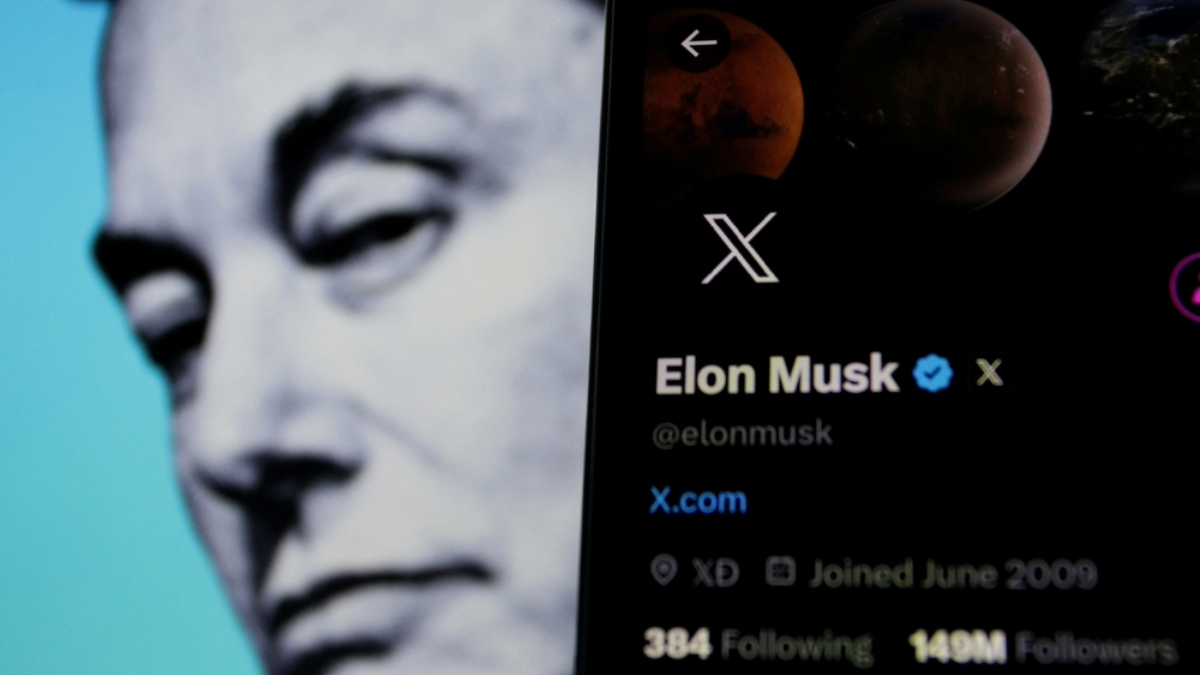
The impact of Musk’s communication style is significant. With 220 million followers and an algorithm reportedly adjusted to favor his content, Musk’s posts often reach more users than traditional media outlets. His provocations regularly trigger secondary amplification through media coverage, extending their reach and influence far beyond X itself.
Recent research examining 24 fact-checked claims related to Musk from 2024 reveals distinct patterns in how information spreads in this new environment. These claims fall into three categories: true statements originating from Musk, false claims amplified by him, and completely fabricated stories that circulate without his direct involvement but benefit from his public persona.
In the first category, Musk’s genuine posts often contain provocative statements that generate massive engagement. For example, his sarcastic call to stop donating to “Wokepedia” (Wikipedia) generated over 300,000 engagements. Similarly, his comments about “multiplanetary extinction events” as justification for SpaceX’s mission received significant attention.
The second category involves false claims that gain credibility through Musk’s tone or timing. After President Biden pardoned his son Hunter, users falsely claimed Musk had banned anyone supporting the pardon. Though untrue, Musk had reposted Biden’s “No one is above the law” tweet with sarcastic commentary, creating fertile ground for misinformation.
The third category consists of completely fabricated stories ranging from absurd to sentimental. Claims that Musk purchased McDonald’s, Disney, or the New York Jets, or that he gave a homeless girl a bus and a house, spread widely despite having no basis in reality. These stories thrive because they align with the chaotic billionaire persona Musk has cultivated.
Engagement metrics reveal the extraordinary reach of Musk’s digital influence. One post mocking President Biden’s “no one is above the law” statement generated over 1.1 million engagements and was viewed 84.2 million times. Even posts that Musk quickly deletes often reach hundreds of thousands of people before disappearing.
This influence extends beyond direct engagement. Media coverage of Musk’s posts creates secondary waves of amplification. A New York Post article about his reaction to Biden’s Hunter pardon generated significant engagement across platforms, with “laughter” being the dominant emotional reaction on Facebook.
The research identifies five recurring themes in Musk-related misinformation: corporate power fantasies, culture war triggers, free speech ironies, techno-dystopian narratives, and moral hypocrisy. These themes connect to deeper anxieties and polarization in contemporary society.
The implications extend far beyond one billionaire’s social media presence. The “Musk model” of digital communication—characterized by sarcasm, ambiguity, and algorithmic amplification—appears to be spreading. Political actors worldwide are increasingly adopting similar tactics: performance over substance, trolling as governance, and curated outrage as political strategy.
This shift represents a crisis of democratic discourse. As narrative power shifts from institutional knowledge to viral content, traditional norms of accountability and factual accuracy lose ground. Musk exemplifies a new kind of elite: digitally fluent, politically agile, and largely unconstrained by conventional norms of public accountability.
The global response has been uneven. From India’s data localization efforts to Europe’s Digital Services Act, governments are attempting to reclaim some regulatory authority over digital spaces. However, these efforts often lag behind the rapid evolution of digital communication strategies.
What makes Musk’s approach particularly effective is his posture as an anti-establishment figure who criticizes elites while simultaneously operating as one of the world’s most powerful individuals. This duality—outsider rhetoric with insider access—creates a compelling narrative that resonates with many users frustrated with traditional institutions.
As digital platforms continue to evolve and more political actors adopt these tactics, the challenge for democratic societies becomes increasingly urgent: how to preserve meaningful public discourse when algorithms reward outrage, ambiguity thrives, and private influence can easily overwhelm public accountability.
The pattern suggests not just a communication strategy but a new form of governance—where spectacle replaces policy, where sarcasm provides cover for polarization, and where the line between truth and performance becomes increasingly difficult to discern.
Fact Checker
Verify the accuracy of this article using The Disinformation Commission analysis and real-time sources.

8 Comments
Musk’s influence over Twitter/X is certainly concerning, given his tendency to amplify misinformation and partisan narratives. It will be important to monitor how this impacts democratic discourse and the free flow of factual information online.
Musk’s ‘free speech absolutism’ seems to prioritize unfettered expression over platform integrity and content moderation. This raises questions about the trade-offs between open dialogue and the spread of harmful misinformation.
Agreed. Striking the right balance is critical for social media platforms that have become central to public discourse.
The mining and energy industries will be closely watching how Musk’s control of X impacts the flow of information and narratives around commodities, climate, and policy. Objectivity and factual reporting will be key.
As an influential figure in the mining, energy, and technology sectors, Musk’s actions on X could have far-reaching consequences. Balanced, evidence-based reporting and analysis will be essential in this evolving situation.
As a major player in the tech and energy sectors, Musk wields significant influence. Ensuring this influence is used responsibly and transparently is important for maintaining trust in democratic institutions.
Musk’s involvement in these issues raises important questions about the role of private interests in shaping public discourse. Maintaining the integrity of democratic processes should be the priority.
Absolutely. Unfettered influence over information flows by powerful individuals is a concerning trend that merits close scrutiny.