


Listen to the article
South African education officials are urging public participation in the country’s history curriculum overhaul, as the deadline for comments on the draft proposal approaches on April 19.
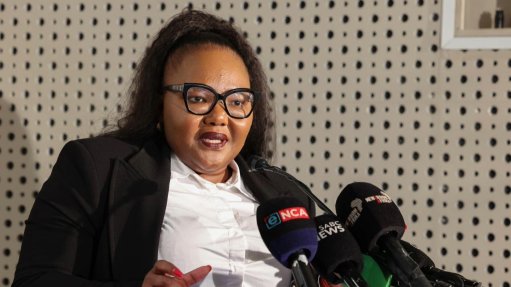
Basic Education Minister Siviwe Gwarube has called for constructive engagement with the draft document while warning against “misinformation” circulating about its content. The minister emphasized that some claims being made about the proposed curriculum changes are inaccurate.
“The more inclusive this process is, the more inclusive our history curriculum will be,” Gwarube said in a public statement. “I therefore encourage as many people as possible to indicate where they believe the draft should be strengthened, corrected, expanded or refined.”
The current draft document represents years of development following the 2019 appointment of a specialized Task Team by former Minister Angie Motshekga. That team was charged with creating a new history curriculum for students from Grades 4 through 12, with particular emphasis on incorporating more pre-colonial African history into classroom instruction.
This curriculum revision comes at a time when many nations globally are reconsidering how history is taught in schools, particularly regarding colonial periods and indigenous histories. South Africa’s effort follows similar curriculum reviews in other post-colonial societies seeking to provide students with more balanced historical narratives.
Gwarube outlined key principles she believes should guide the curriculum development process, taking a clear stance on academic freedom and critical thinking skills.
“Our history curriculum should not exclude key events or perspectives on political grounds, nor should it impose any ideology on learners,” the minister stated. “I am committed to ensuring that the curriculum equips learners to think critically about our past, so that they may form their own opinions.”
The minister’s comments reflect ongoing tensions in South Africa and elsewhere about how history should be taught in schools. Historical education often becomes politicized, with different stakeholders advocating for greater emphasis on certain perspectives or events.
Education experts note that history curriculum reforms are particularly significant in South Africa, where the legacy of apartheid and colonialism continues to influence contemporary society. The country’s post-apartheid educational system has struggled with how to present multiple perspectives on historical events while acknowledging historical injustices.
The Department of Basic Education’s current review process represents one of the most comprehensive revisions of history education since the end of apartheid in 1994. By emphasizing pre-colonial African history, the curriculum aims to provide students with a more complete understanding of the continent’s past before European colonization.
Public engagement with the draft curriculum is seen as crucial for building broad support across South Africa’s diverse population. Education officials hope that soliciting wide-ranging feedback will help create a curriculum that resonates with various communities while maintaining historical accuracy and educational value.
Critics and supporters alike are encouraged to review the actual draft document rather than rely on secondhand characterizations, according to ministry officials. The Department of Basic Education has made the draft available through official channels to facilitate informed commentary.
As the April 19 deadline approaches, education stakeholders including teachers, academics, parents, and community organizations are expected to submit their formal responses to the proposal. The final curriculum will likely incorporate adjustments based on this public input before implementation in South African schools.
Fact Checker
Verify the accuracy of this article using The Disinformation Commission analysis and real-time sources.

9 Comments
Interesting to see the push for a more inclusive history curriculum in South Africa. Incorporating more pre-colonial African history is an important step. I hope the public engagement process is robust and leads to a balanced, nuanced approach.
Revising history curricula is always a delicate balance between acknowledging the past and charting an inclusive way forward. I’m glad to see the government encouraging constructive public feedback on the draft proposal.
Agreed. Public input will be crucial to ensuring the new curriculum accurately reflects diverse historical perspectives and experiences.
Curriculum reform is always a delicate process, with valid concerns on all sides. I’m glad to see the minister emphasizing the need for constructive public input to strengthen the draft proposal.
This is an important moment for South Africa to thoughtfully reframe its history education. I’m curious to see how the public engagement process unfolds and what kinds of changes ultimately make it into the final curriculum.
Revising national curricula is no easy task. I hope the South African government can strike the right balance between acknowledging the country’s complex past and building a more inclusive vision for the future.
Updating history education is always a complex and politically-charged undertaking. I’m curious to see what kinds of ‘misinformation’ the minister is referring to, and how the public engagement process unfolds.
The push to incorporate more pre-colonial African history is a welcome development. It’s important for students to have a comprehensive understanding of the region’s deep cultural and political roots.
History education is so critical for shaping national identity and understanding. I hope South Africa can develop a curriculum that celebrates the richness of its pre-colonial heritage while also grappling honestly with colonial legacies.