


Listen to the article
In a week marked by viral misinformation surrounding workers’ protests and election campaigns, fact-checkers have been working overtime to separate truth from fiction across social media platforms. A series of manipulated videos and false narratives gained significant traction online, particularly concerning recent events in Noida and the upcoming West Bengal elections.
The spread of false information has become increasingly sophisticated, with old footage being repurposed and presented as current events to capitalize on ongoing tensions. This practice has become alarmingly common during periods of social unrest and political campaigns, according to digital media analysts.
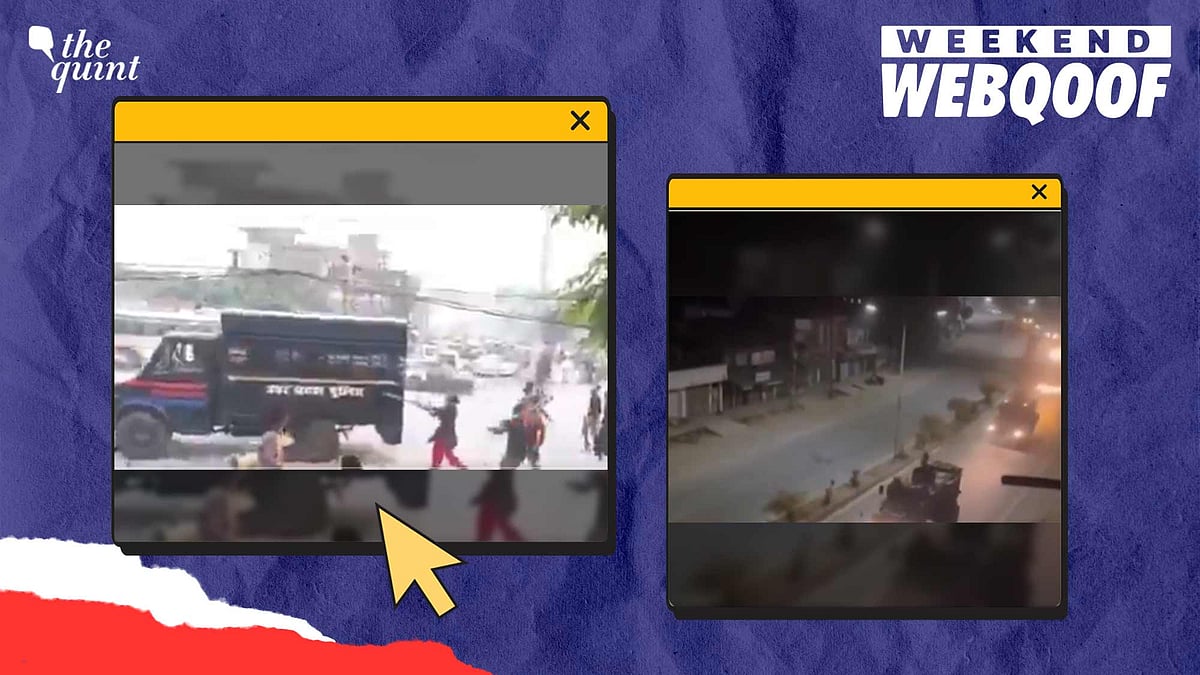
A particularly viral piece of misinformation involved footage of people throwing stones at a Uttar Pradesh Police vehicle, which was falsely linked to the ongoing workers’ protests in Noida. Social media posts claimed protesters had attacked an Indian Armed Forces vehicle, seriously injuring two soldiers, with some accounts even suggesting Chinese and Pakistani involvement. Fact-checkers determined the video actually originated from Gorakhpur in October 2025, where villagers confronted police following authorities’ refusal to register a case related to a man’s death.
Similarly, amid heightened tensions surrounding the West Bengal electoral process, a video purporting to show Central Reserve Police Force (CRPF) personnel entering the state circulated widely. The footage was accompanied by inflammatory captions suggesting intervention against alleged suppression of Hindus. Investigation revealed the video was actually from Imphal, Manipur, and had no connection to West Bengal or the current election cycle.
The Noida workers’ protests became a focal point for multiple instances of misinformation. Another widely shared video showed thick black smoke billowing from what was claimed to be a protest site in Noida’s Sector 62. However, this footage was from March and depicted a chemical factory fire in Maharashtra’s Anandnagar MIDC, completely unrelated to the labor demonstrations.
Political misinformation has also been rampant. A video showing Defense Minister Rajnath Singh apparently supporting West Bengal Chief Minister Mamata Banerjee gained significant traction. The clip, presented as recent commentary on the upcoming elections, was actually from 2006, when Singh had expressed support for Banerjee during protests against Tata Nano’s factory in Singur.
Media manipulation took another concerning turn with an edited video of news anchor Chitra Tripathi from ABP News. The manipulated clip showed what appeared to be a Pakistani panelist mocking Tripathi during a live debate, causing outrage among viewers. Fact-checkers confirmed the footage had been altered from an original May 2025 broadcast where Tripathi had questioned a Pakistani panelist about Balochistan.
Digital media experts point to these examples as part of a troubling trend where visual evidence, once considered relatively reliable, is increasingly weaponized through decontextualization and editing. The phenomenon has become particularly pronounced during politically sensitive periods.
“What we’re seeing is a sophisticated form of information warfare,” said Priya Singh, a digital misinformation researcher at the Center for Media Studies in Delhi. “Old videos are deliberately repurposed to align with current narratives, creating false connections that play into existing tensions and biases.”
The spread of such misinformation has real-world consequences, potentially inflaming tensions during already volatile situations like labor protests or contentious election campaigns. Social media platforms continue to struggle with the volume and sophistication of false content, despite increased investments in fact-checking partnerships and content moderation systems.
Media literacy experts emphasize the importance of verifying information before sharing, particularly during sensitive events when emotions run high and the appetite for dramatic content increases. They recommend checking publication dates, source credibility, and cross-referencing information across multiple reliable sources before accepting viral claims at face value.
Fact Checker
Verify the accuracy of this article using The Disinformation Commission analysis and real-time sources.

8 Comments
The article highlights an important issue – the weaponization of information during volatile social and political situations. We must be careful not to perpetuate false narratives, even inadvertently, and instead focus on verifying facts from reliable sources.
Interesting to see how advanced the tactics for spreading disinformation have become – using old footage to pass it off as current events. It underscores the need for critical thinking and media literacy among the public.
You’re right, it’s a concerning trend. Fact-checkers have their work cut out for them keeping up with the speed and sophistication of these manipulative tactics. Staying vigilant is the only way to combat the spread of misinformation.
This is a timely and relevant topic. The rise of misinformation, especially around events like protests and elections, is a serious threat to democracy and social cohesion. Fact-checking and media literacy efforts are crucial to counter these trends.
I agree completely. Combating the spread of false information requires a multi-pronged approach involving both journalists and the public. Building resilience against manipulation is key to preserving the integrity of our institutions and discourse.
Misinformation can spread like wildfire, especially during sensitive times like elections and protests. It’s crucial that we verify facts and call out false narratives to maintain public trust and prevent further escalation of tensions.
Absolutely, responsible reporting and fact-checking are essential to counter the proliferation of misleading information. Repurposed footage and fabricated stories can have serious consequences, so vigilance is key.
Disturbing to see how quickly misinformation can gain traction and spiral out of control, especially when it involves sensitive issues like social unrest and political campaigns. Rigorous fact-checking and responsible reporting are more important than ever.