


Listen to the article
Post-COVID Vaccination Catch-Up Campaign Reaches 18.3 Million Children, But Challenges Loom
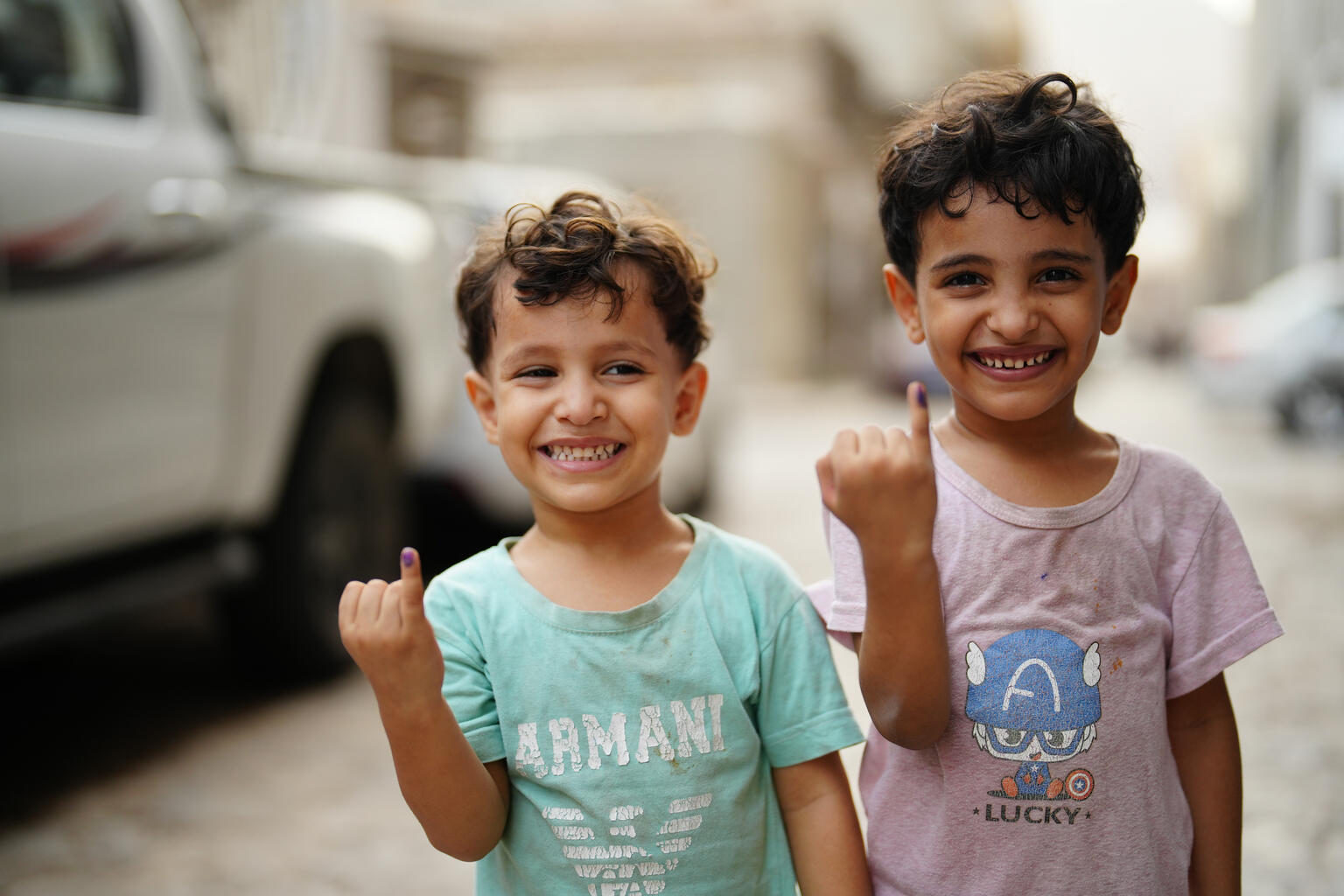
A massive global effort to vaccinate children who missed immunizations during the COVID-19 pandemic has successfully reached 18.3 million children, including 12.3 million who had never received any vaccines, global health leaders reported Thursday.
The campaign, known as the “Big Catch-Up,” delivered over 100 million vaccines between 2023 and 2025, with 15 million children receiving their first measles vaccine. The initiative specifically targeted 36 countries that accounted for 60% of the world’s “zero-dose” children – those who had never received any immunizations.
“By 2021, coverage of the three-in-one diphtheria, tetanus and pertussis vaccine had fallen to 78% in lower-income countries, erasing years of hard-won gains,” explained Dr. Sania Nishtar, CEO of Gavi, the Vaccine Alliance, during a media briefing ahead of World Vaccination Week.
The campaign actively sought children under five who had missed vaccines, with particularly strong results in twelve countries that reached more than 60% of their zero-dose children: Burkina Faso, Democratic People’s Republic of Korea, Ethiopia, Kenya, Madagascar, Mauritania, Niger, Pakistan, Somalia, Togo, Tanzania, and Zambia.
“In total, catch-up reached the equivalent of five times the number of children under five in the European Union,” Nishtar noted.
Beyond simply delivering vaccines, the initiative strengthened countries’ immunization systems, according to Dr. Kate O’Brien, WHO’s immunization director. This included extending monitoring of children’s immunization status from age two to age five and enhancing primary health care systems to better track newborns.
Funding Crisis Threatens Progress
Despite the campaign’s success, global health officials warned that shrinking international aid threatens to undermine these gains. Dr. Ephrem Lemango, UNICEF’s global chief of immunization, highlighted that “the continued decline of official development assistance and recent sharp funding cuts to global health have seriously affected the delivery of immunization services.”
The reduction in international aid has impacted crucial “last-mile” outreach efforts that depend on health workers and supply chains supported by these funds. Additionally, some governments are struggling to provide their share of co-financing to procure vaccines through Gavi.
Countries that traditionally received donor funds for vaccines against polio, tuberculosis, and other diseases have seen this support “considerably disrupted,” Lemango explained. The funding cuts have also limited the capacity of WHO, UNICEF, and Gavi to provide technical assistance to governments.
O’Brien added that diminished aid has weakened the ability of countries and international agencies to respond rapidly to disease outbreaks. However, Nishtar pointed to a “silver lining” in Africa’s emerging “health sovereignty movement,” where heads of state are emphasizing the need to deliver basic services through domestic revenue.
Misinformation Threatens Vaccine Confidence
Beyond funding challenges, health officials identified vaccine misinformation as a growing threat to immunization efforts worldwide.
“Trust has become a prominent predictor of vaccine uptake across countries and populations,” Lemango warned. “Even brief exposure to vaccine misinformation likely reduces the willingness to vaccinate.” He noted that much anti-vaccine content has “its own political economy behind it, where there is financial and political backing.”
While skepticism about vaccines has always existed, social media has dramatically amplified misinformation, according to Nishtar. O’Brien expressed particular concern about the increasing politicization of vaccines and health issues.
“Politicization of vaccines should not happen,” O’Brien stressed. “The world of vaccines should be based on evidence and facts and should be supportive of families and children’s parents or caregivers to provide what is a life-saving intervention for them.”
As the global health community celebrates the success of the Big Catch-Up campaign, maintaining momentum will require addressing these dual challenges of diminished funding and growing misinformation, while continuing to focus on reaching vulnerable populations in fragile and conflict-affected regions.
Fact Checker
Verify the accuracy of this article using The Disinformation Commission analysis and real-time sources.

22 Comments
The vaccination catch-up campaign is an impressive achievement, reaching over 18 million children. However, the decline in coverage in lower-income countries is concerning and needs to be addressed.
Agreed. Continued global coordination and investment will be key to sustaining these gains and protecting vulnerable populations.
The 15 million children receiving their first measles vaccine is a significant milestone, but the overall decline in coverage is concerning. Ensuring routine immunization services remain accessible is vital.
Well said. Measles is an especially dangerous disease, so prioritizing those vaccinations is smart. But the broader vaccination declines need to be addressed.
The rapid scale-up of the vaccination catch-up effort is an impressive accomplishment, but the underlying decline in coverage is concerning. Addressing the systemic issues driving that decline should be a top priority.
Good point. Identifying and resolving the root causes of the coverage drops will be essential to ensure the progress is sustainable long-term.
Reaching 18.3 million children with critical vaccines is a significant achievement, but the article rightly highlights the ongoing challenges. Maintaining strong political and public support will be crucial.
Absolutely. Continued vigilance and investment will be needed to protect these hard-won gains and ensure no child is left behind when it comes to life-saving immunizations.
It’s great to see the vaccination campaign reaching so many previously unvaccinated children. However, the challenges from aid cuts and misinformation are worrying and require sustained attention.
I agree. Maintaining funding and public trust in these essential public health programs will be crucial to protect vulnerable populations and build on the progress made.
While the vaccination progress is promising, the challenge of aid cuts and misinformation is worrying. Maintaining political and public support for these crucial public health programs will be crucial.
Absolutely. Combating misinformation with clear, factual messaging will be essential to sustaining vaccination rates and protecting hard-won gains.
Curious to know more about the specific strategies and interventions that allowed the campaign to reach such a large number of previously unvaccinated children. Understanding what worked well could inform future efforts.
Good point. The article mentions targeting children under 5 who had missed vaccines, so it would be interesting to learn more about the targeted outreach and delivery methods used.
The vaccination campaign’s success in reaching so many previously unvaccinated children is really encouraging. But the broader decline in coverage is worrying and needs to be urgently addressed.
I agree. Tackling the systemic barriers and misinformation that have eroded vaccination rates should be a top global health priority in the coming years.
Great to see progress in childhood vaccination rates, but aid cuts and misinformation remain major challenges. Ensuring all children have access to critical immunizations is so important for public health.
Absolutely, misinformation can be incredibly damaging when it comes to vaccine acceptance. Fact-based outreach and education will be crucial going forward.
Reaching over 12 million children who had never received any vaccines is a remarkable achievement. However, the article rightly highlights the ongoing challenges from aid cuts and misinformation that threaten to undermine this progress.
Well said. Sustained commitment and vigilance will be crucial to build on this progress and ensure no child is left behind when it comes to essential immunizations.
The vaccination catch-up campaign has clearly made significant strides, but the broader decline in coverage in lower-income countries is deeply concerning. Addressing the systemic barriers to routine immunization services must be a global priority.
Agreed. Maintaining political will and public trust in these life-saving programs will be essential to protecting vulnerable populations and building a healthier, more resilient world.