


Listen to the article
Cancer Vaccines Poised to Transform Treatment While Battling Misinformation
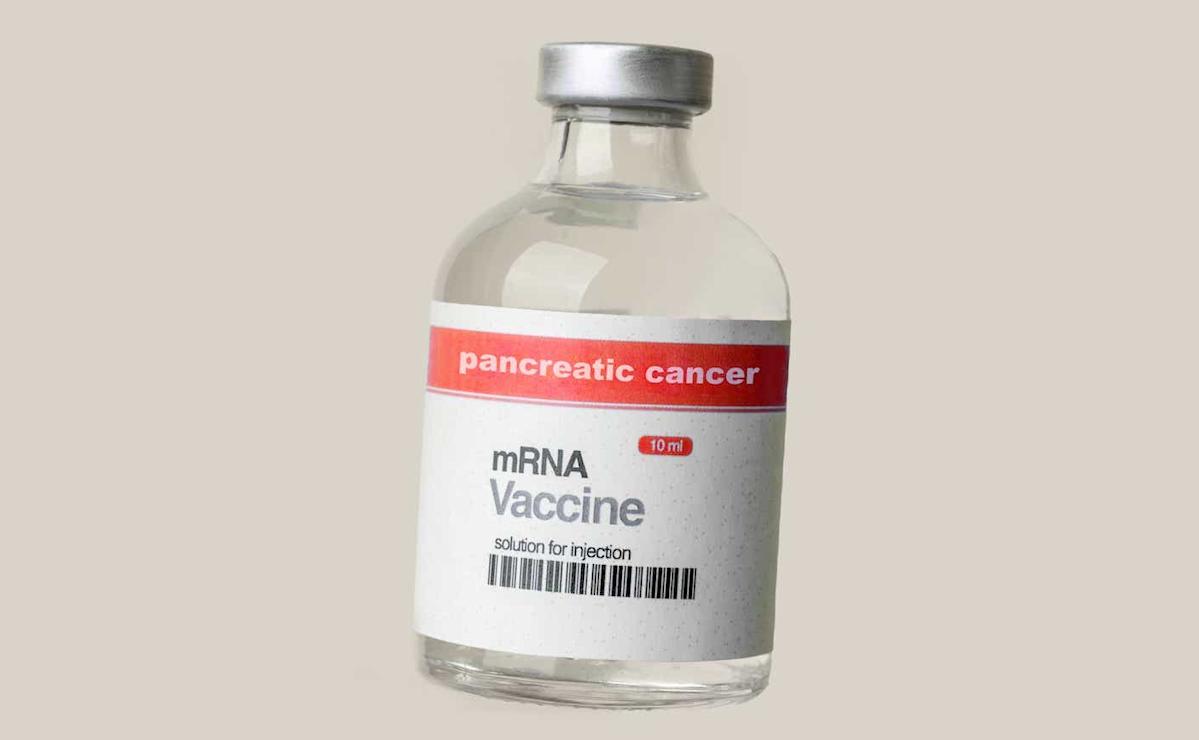
Scientists are making rapid strides toward a breakthrough that could revolutionize cancer care: mRNA cancer vaccines designed to significantly enhance the immune system’s ability to identify and destroy tumors.
Since the early 2000s, researchers have conducted more than 120 promising clinical trials testing mRNA vaccines against multiple cancer types, including melanoma, brain, breast, lung, and prostate cancers. The technology, which gained worldwide recognition during the COVID-19 pandemic, has actually been under study for decades as a potential cancer treatment.
However, as research advances, a concerning parallel development has emerged. Misinformation about so-called “turbo cancer” began spreading widely on social media in late 2022. This false narrative claims that COVID-19 mRNA vaccines cause unusually aggressive cancers – a claim that has no scientific basis but threatens to undermine confidence in a potentially transformative medical technology.
“Vaccine misinformation accelerated during the COVID-19 pandemic, causing what researchers call an infodemic: the rapid spread of both accurate and false health information during a public health crisis,” explains Dannell D. Boatman, Assistant Professor and Health Communication Researcher at West Virginia University, who monitors cancer-related conversations online.
How mRNA Cancer Vaccines Work
Unlike traditional vaccines that prevent disease, most cancer vaccines are therapeutic – designed to treat existing cancers rather than prevent them. The mRNA technology delivers instructions that prompt the body’s cells to produce specific proteins, teaching the immune system to recognize and attack those proteins.
In cancer applications, scientists design highly targeted vaccines that train the immune system to identify tumor cells and destroy them without harming healthy tissue. This precision approach shows particular promise for aggressive cancers with limited treatment options.
One notable example comes from research on glioblastoma, an aggressive brain tumor with few effective treatments. Studies show that personalized mRNA vaccines can rapidly activate patients’ immune systems against this type of brain cancer and potentially improve survival rates.
“The body of evidence that mRNA vaccines can transform how researchers harness the immune system to treat cancer is growing,” said one oncology researcher involved in clinical trials. “But even the most promising medical advances can only improve health if people are willing to use them.”
The “Turbo Cancer” Myth
The term “turbo cancer” has gained traction among anti-vaccine advocates who claim, without credible evidence, that COVID-19 mRNA vaccines cause unusually aggressive cancers. This misleading narrative has occasionally permeated mainstream media.
In September 2023, for instance, a controversial U.K. cardiologist suggested that COVID-19 vaccines contributed to cancer diagnoses in Britain’s royal family, prompting immediate condemnation from medical experts.
Social listening studies by Boatman’s research team observed countless posts about “turbo cancer” beginning in July 2023 and continuing through early 2024. These posts typically rely on emotionally charged anecdotes, misinterpretations of scientific studies, misuse of adverse event reporting systems, and recycled myths about vaccines altering human DNA.
Some posts attempt to link rising cancer rates among younger adults to COVID-19 vaccines, despite large population studies finding no increased cancer risk following vaccination.
Real-World Impact of Cancer Misinformation
While fringe claims about “turbo cancer” may seem easy to dismiss, research shows they can have serious real-world consequences. Inaccurate cancer treatment information is prevalent online and demonstrably influences patient decisions.
“When patients rely on unproven approaches instead of recommended therapies, their risk of death can increase substantially,” notes Boatman. Oncologists increasingly report having to address myths or misleading information that patients have encountered online.
As mRNA technology enters a pivotal development phase with scientific progress accelerating, public understanding has not kept pace. Repeated exposure to misleading claims erodes trust in the technology, potentially leading some patients to decline beneficial treatments in the future.
If narratives like “turbo cancer” continue gaining traction, they could significantly complicate the future implementation of mRNA cancer vaccines and limit their potential benefits.
Moving Forward: Communication as Important as Science
Research consistently shows that proactive, transparent, and persuasive communication can effectively counter misinformation, though trust, once lost, is difficult to rebuild.
“Medical innovations can save lives, but only if communication keeps up,” Boatman emphasizes. Effective strategies include monitoring emerging misinformation trends, addressing concerns early, equipping clinicians for productive patient conversations, and developing public health messaging that builds understanding of new medical technologies before their widespread clinical introduction.
The scientific community faces a dual challenge: developing effective cancer vaccines while simultaneously ensuring the public can evaluate these innovations based on evidence rather than viral misinformation.
“The future of cancer care depends not just on scientific discovery,” concludes Boatman, “but on public understanding and trust.”
Fact Checker
Verify the accuracy of this article using The Disinformation Commission analysis and real-time sources.

13 Comments
Cancer is such a devastating disease, so any advancements in treatment and prevention are welcome news. I’m hopeful that mRNA cancer vaccines can live up to their promise, but the battle against misinformation will need to be a priority.
You make a good point. Misinformation can be very damaging, especially when it comes to sensitive medical topics. Staying vigilant and providing accurate, science-based information will be crucial.
This is an intriguing development in the field of cancer research. The potential of mRNA technology to enhance the immune system’s cancer-fighting capabilities is exciting. However, the challenge of misinformation is something that will need to be carefully navigated.
The potential of mRNA cancer vaccines is intriguing. While it’s great to see the rapid progress in clinical trials, the spread of misinformation is concerning. It’s crucial that the scientific community proactively addresses these false narratives to maintain public trust.
Absolutely. Transparent and fact-based communication will be key to overcoming misinformation and ensuring these potentially transformative treatments can reach those who need them.
The development of mRNA cancer vaccines is an exciting advancement in the fight against this devastating disease. However, the emergence of misinformation is a concerning parallel trend that will need to be addressed proactively.
Anything that can improve cancer treatment and prevention is welcome news. The mRNA cancer vaccine technology seems to hold a lot of promise, but the misinformation challenge is a concerning hurdle that will need to be addressed.
This is an exciting development in the fight against cancer. Harnessing the power of mRNA technology to enhance the immune system’s ability to target tumors is a promising avenue. However, misinformation can certainly be a challenge that needs to be addressed head-on.
This is an intriguing development in the field of cancer research. The potential of mRNA technology to enhance the immune system’s ability to target tumors is promising. But the misinformation challenge will need to be carefully navigated.
Anything that can improve cancer treatment and prevention is welcome news. The mRNA cancer vaccine technology seems to hold a lot of potential, but the misinformation challenge is a significant hurdle that will need to be overcome.
Agreed. Misinformation can be incredibly damaging, especially when it comes to sensitive medical topics. Providing clear, fact-based information will be crucial in building public confidence in these new treatments.
The progress in mRNA cancer vaccine research is certainly noteworthy. While the potential of these treatments is exciting, the spread of misinformation is a significant obstacle that will require a concerted effort to overcome.
The progress in mRNA cancer vaccine research is certainly promising, but the emergence of misinformation is concerning. It’s critical that the scientific community remains proactive in addressing false narratives and maintaining public trust in these innovative treatments.