


Listen to the article
Misinformation Surrounds West Bengal Elections and Jabalpur Tragedy, Fact-Checkers Report
A wave of false information has circulated across social media platforms in the wake of the West Bengal Assembly elections and the Jabalpur boat tragedy, according to multiple fact-checking investigations conducted this past week.
The recently concluded West Bengal elections, which saw the Bharatiya Janata Party (BJP) defeat the Trinamool Congress (TMC), have become a particular focal point for misinformation campaigns. Political transitions often create fertile ground for misleading content, and this regional power shift has proven no exception.
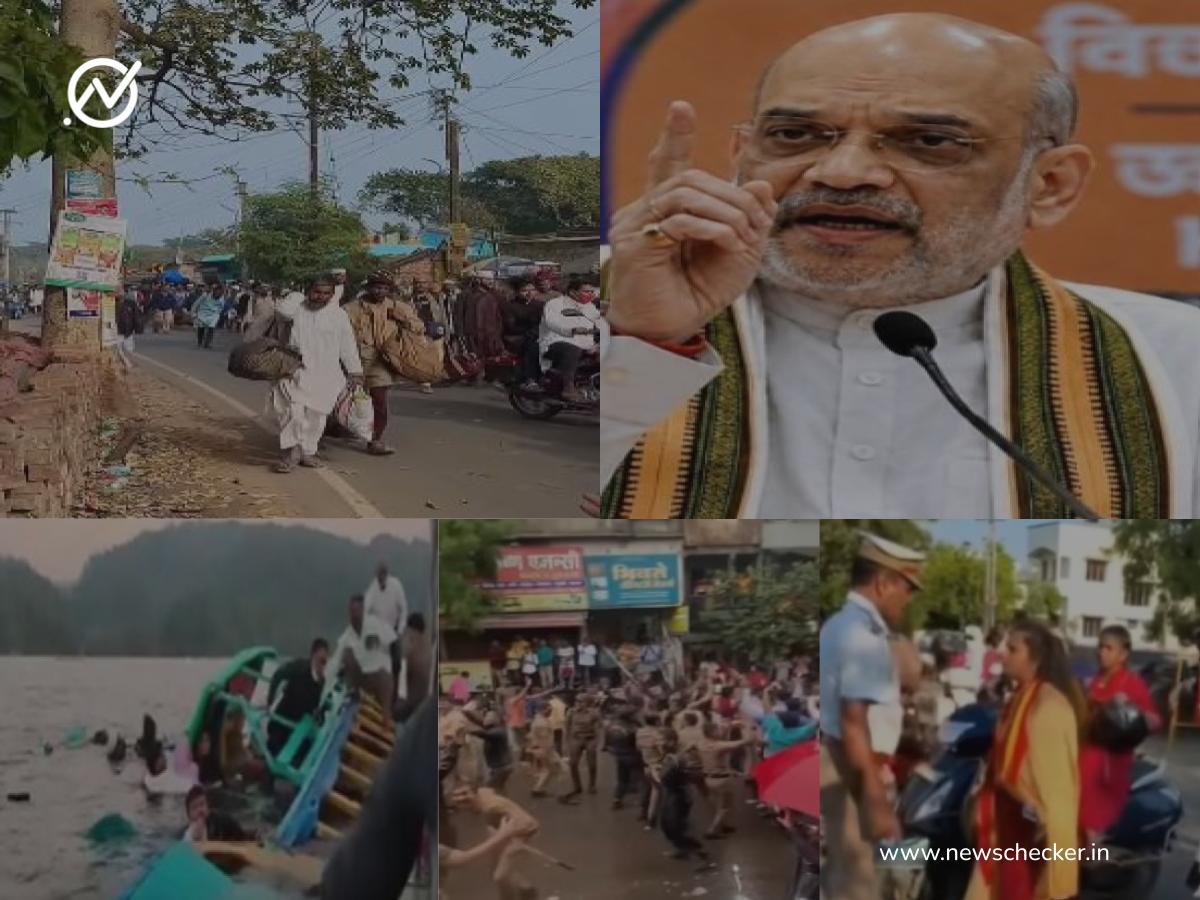
One widely shared graphic falsely claimed that Union Home Minister Amit Shah had announced a complete alcohol ban in West Bengal starting September 30. The fabricated news item, designed to mimic India Today’s branding, gained significant traction before fact-checkers determined it was entirely fictional. The convincing but counterfeit “breaking news” format highlights the sophisticated nature of modern misinformation.
In another election-related falsehood, social media users circulated a fifteen-second video supposedly showing West Bengal police officers celebrating the BJP’s victory in the state Assembly elections. Detailed investigation revealed the footage was unrelated to the recent polls, though the misleading context had already shaped public perception about police partisanship in the politically divided state.
False narratives related to migration also emerged following the BJP’s victory. One viral video allegedly depicted illegal Bangladeshi immigrants returning to their home country after the election results. Fact-checkers established this claim was false, though it played into existing regional tensions around immigration and border security in the eastern state, which shares a 2,217-kilometer border with Bangladesh.
The aftermath of the tragic boat accident at Bargi Dam in Jabalpur also attracted misinformation. Social media users shared footage of a capsized vessel with people struggling in water, claiming it showed the recent disaster. Investigation proved the video was old and unrelated to the Jabalpur incident, which claimed multiple lives and sparked national concern about water safety regulations.
Tamil Nadu’s political landscape also faced misinformation challenges. A viral video purportedly showed women supporters of Vijay-led Tamilaga Vettri Kazhagam (TVK) arguing with police officers after the party emerged as the largest in Tamil Nadu elections. Fact-checkers determined the video predated the election results, demonstrating how old content is frequently repurposed with new, misleading contexts during politically charged periods.
These incidents represent a concerning pattern of misinformation surrounding major news events in India. The rapid spread of false information across platforms can influence public opinion, exacerbate tensions, and complicate the public’s ability to understand critical developments accurately.
Media literacy experts point to the increasing sophistication of misleading content, with fabricators using recognizable news templates, doctored videos, and out-of-context imagery to lend credibility to false narratives. The phenomenon is particularly pronounced during elections and disasters when public attention is heightened and emotional responses can override critical evaluation of sources.
For the public, these incidents underscore the importance of verifying information through multiple credible sources, particularly during periods of political transition or crisis. Fact-checking organizations continue to play a crucial role in identifying and debunking misinformation, though the challenge of reaching audiences before false narratives take hold remains significant.
As India navigates these regional political shifts and responds to tragedies like the Jabalpur incident, the information environment will likely remain vulnerable to manipulation, highlighting the ongoing tension between the rapid spread of content and the more deliberate pace of verification.
Fact Checker
Verify the accuracy of this article using The Disinformation Commission analysis and real-time sources.

13 Comments
Interesting to see how misinformation can spread quickly on social media, especially around political transitions. The fabricated news graphic is a good example of how sophisticated these tactics can be. Fact-checking is crucial to combat the spread of false information.
Agreed. The use of convincing formats like ‘breaking news’ makes it even harder for people to discern truth from fiction. Diligent fact-checking by reputable sources is essential to counter these misleading tactics.
The report underscores the ongoing challenge of combating misinformation, especially in the context of politically sensitive events. Fact-checkers play a vital role in identifying and debunking false narratives to uphold the integrity of the democratic process.
Absolutely. Strengthening media literacy and public awareness around the dangers of misinformation is essential to empower citizens to make informed decisions and maintain trust in democratic institutions.
The issue of misinformation surrounding high-stakes elections is concerning. It’s critical that voters have access to reliable, factual information to make informed decisions. Fact-checkers play a vital role in debunking false narratives and upholding democratic integrity.
Absolutely. Misinformation can sow confusion and undermine the electoral process. Strengthening media literacy and fact-checking efforts is key to protecting the integrity of elections and empowering citizens.
Misinformation can have serious consequences, especially during critical moments like elections. It’s heartening to see fact-checkers actively working to counter the spread of false narratives and uphold the integrity of the democratic process.
Agreed. The role of fact-checking organizations in providing reliable information and debunking misinformation is crucial. Maintaining public trust in the electoral process is essential for a healthy democracy.
The Jabalpur boat tragedy is a devastating incident. My deepest condolences to the victims and their families. Investigating the causes and implementing safety measures to prevent similar incidents in the future is crucial.
The report highlights the growing challenge of misinformation, especially around politically charged events. Fact-checkers play a vital role in identifying and debunking false narratives. Strengthening media literacy is key to empowering citizens to discern truth from fiction.
This report highlights the ongoing challenge of combating misinformation, particularly in the context of political events. The sophisticated techniques used to spread false narratives are concerning. Continued vigilance and robust fact-checking will be essential to maintain public trust.
The Jabalpur boat tragedy is a devastating event. My condolences to the victims and their families. Investigations into the causes of such incidents are crucial to improve safety and prevent future tragedies.
Agreed. Understanding the factors that led to this tragedy is important to implement measures that can enhance safety and prevent such accidents from happening again in the future.