


Listen to the article
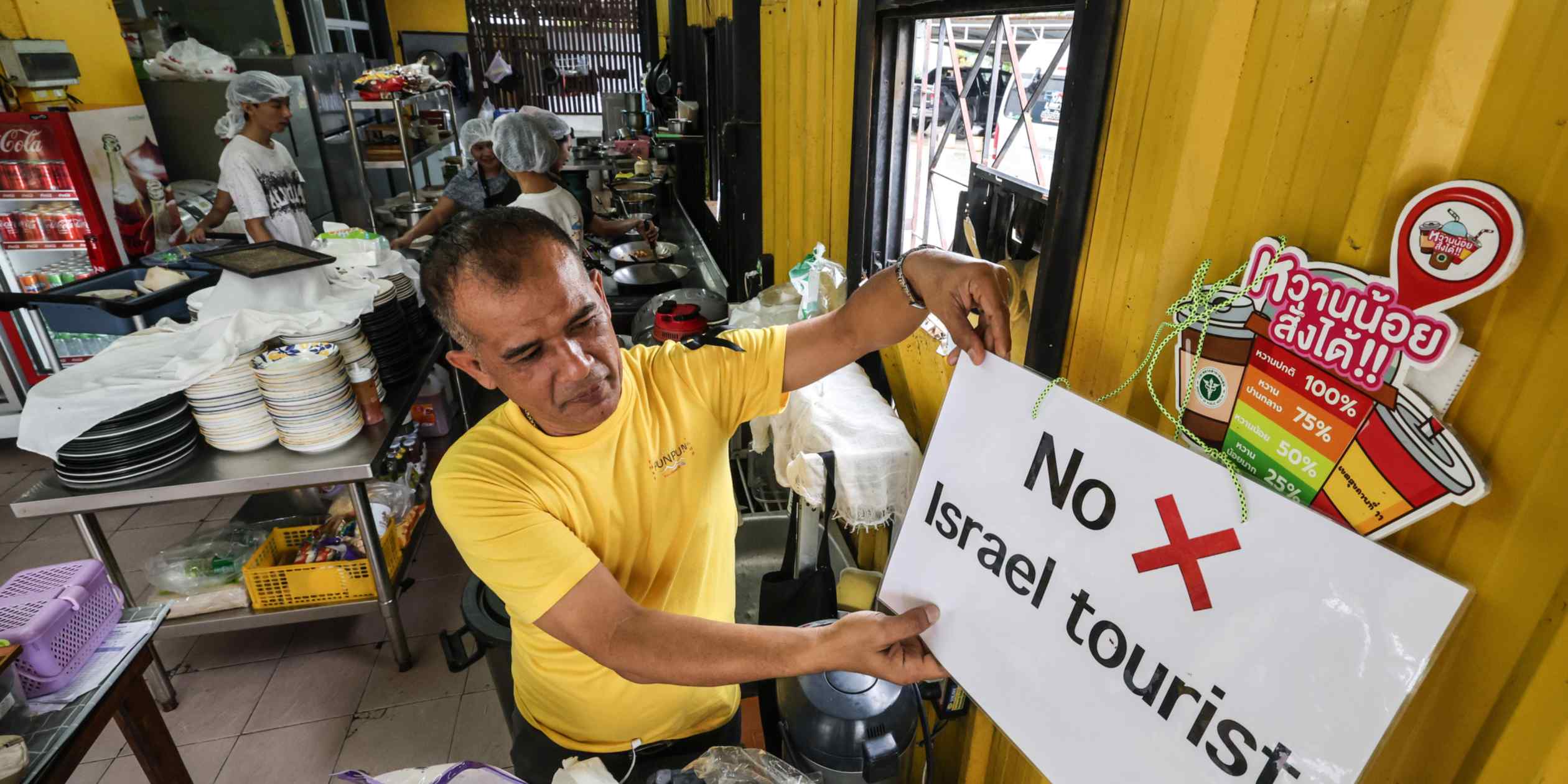
In Thailand, a troubling rise in anti-Israel incidents has emerged as the Gaza crisis intensifies, fueled by social media misinformation and existing tensions with Israeli tourists. On the popular holiday island of Koh Phangan, known for its full moon parties, locals report growing hostility between Thai residents and Israeli visitors.
The situation reflects a broader pattern across Southeast Asia, where public sentiment has shifted as the humanitarian crisis in Gaza continues to unfold. What began as sporadic instances of discrimination has evolved into more organized displays of anti-Israel sentiment in popular tourist destinations across Thailand.
Social media platforms have become breeding grounds for false narratives. In recent months, unverified videos alleging disrespectful behavior by Israeli tourists have gone viral on TikTok and Facebook, generating thousands of comments that further inflame tensions. Local authorities have struggled to counter this spread of misinformation, which often portrays Israeli tourists in a negative light.
“There’s been a noticeable change in atmosphere,” said a long-time expatriate business owner in Koh Phangan who requested anonymity. “What used to be isolated incidents have become more frequent, and the rhetoric has become more pointed.”
Tourism officials express concern about these developments in a country where the hospitality industry constitutes approximately 20% of the national GDP. Thailand welcomed approximately 40,000 Israeli tourists annually before the pandemic, according to data from the Tourism Authority of Thailand. While this represents a relatively small percentage of Thailand’s overall tourism market, Israeli travelers are known for their extended stays and significant spending power.
The Thai government has maintained a neutral stance on the Israel-Gaza conflict, calling for de-escalation and peaceful resolution. However, this diplomatic position hasn’t necessarily translated to on-the-ground realities in tourist areas.
The situation mirrors developments in neighboring Malaysia and Indonesia, countries with Muslim-majority populations that have historically maintained pro-Palestinian positions. In Kuala Lumpur, regular demonstrations supporting Palestine take place outside the U.S. Embassy, while Indonesian social media has seen widespread pro-Palestinian content.
Unlike its neighbors, Thailand’s population is predominantly Buddhist, with Muslims constituting just over 5% of the population. However, the southern provinces bordering Malaysia have significant Muslim communities that have expressed solidarity with Palestinians.
Regional security experts note that the situation requires careful management to prevent further escalation. “What we’re seeing is the globalization of a distant conflict through social media channels,” explained Dr. Thitinan Pongsudhirak, a political scientist at Chulalongkorn University in Bangkok. “Local grievances about tourist behavior are being reframed through the lens of the Israel-Gaza conflict.”
The Thai tourist industry has attempted to address these tensions through increased cultural sensitivity training for tour operators and hotel staff. Some establishments have implemented dialogue sessions between local communities and international visitors to foster greater understanding.
For many Thais working in the tourism sector, the situation presents a complex challenge. “We welcome all visitors to our country,” said Somchai Ruktanaphai, president of the Association of Thai Travel Agents. “Our industry depends on maintaining Thailand’s reputation as a welcoming destination for all nationalities.”
Israeli embassy officials in Bangkok have acknowledged the situation, stating they are working with Thai authorities to ensure the safety of Israeli citizens while promoting mutual understanding. The embassy has also increased its social media presence to counter misinformation.
As the conflict in Gaza shows no signs of immediate resolution, Thailand’s tourism authorities face the challenging task of maintaining the country’s welcoming reputation while navigating increasingly complex geopolitical undercurrents that have found their way to its shores.
For now, most incidents remain isolated, but authorities are monitoring social media platforms closely to prevent potential escalation. Tourism industry leaders emphasize that visitors of all nationalities should continue to experience Thailand’s famed hospitality, even as global events cast shadows over this paradise destination.
Fact Checker
Verify the accuracy of this article using The Disinformation Commission analysis and real-time sources.

11 Comments
The spread of misinformation is a growing challenge that can have severe consequences, as seen in this case. Robust fact-checking and digital literacy efforts will be key to combating this issue.
This is a concerning trend. Misinformation can have real and damaging impacts on people’s lives and perceptions. It’s important for local authorities to address the spread of false narratives and promote understanding between communities.
Absolutely. Social media platforms have a responsibility to tackle the proliferation of misinformation that can lead to real-world tensions and discrimination.
Hostility towards tourists is never acceptable, regardless of their background. The Thai government should work to protect all visitors and ensure a welcoming environment for everyone.
I agree. Promoting tolerance and dispelling false narratives is crucial to maintaining Thailand’s reputation as a safe and inclusive tourist destination.
This is a troubling development that highlights the need for greater media literacy and fact-checking, both among the public and on social media platforms. Addressing the root causes of these tensions is crucial.
Absolutely. Promoting mutual understanding and respect between communities is essential for maintaining Thailand’s reputation as a welcoming tourist destination.
This is a complex issue that touches on geopolitics, tourism, and the power of social media. It’s crucial that all stakeholders work together to find solutions that promote peace, tolerance, and factual understanding.
Agreed. Fact-based dialogue and a commitment to addressing the root causes of tension are essential for resolving this situation constructively.
It’s concerning to see existing tensions being exacerbated by misinformation. Authorities must take steps to address the spread of false narratives and promote mutual understanding between communities.
The situation in Thailand highlights the broader challenge of combating misinformation and its real-world impacts. Addressing this will require a multi-faceted approach from government, social media platforms, and local communities.