


Listen to the article
AI Emerges as Potential Solution to Science Misinformation Crisis
From research to multimedia content creation, artificial intelligence is fundamentally transforming how knowledge is generated and shared across industries. While some experts worry this trend could fuel misinformation through AI-generated content lacking proper verification, others see promising opportunities—particularly in fields where accurate communication is most critical.
For medicine and science, the impact of AI on communications has become an urgent concern. Recent years have witnessed a troubling rise in scientific misinformation, most notably during the COVID-19 pandemic, which significantly undermined healthcare credibility, vaccine confidence, and public trust in medical professionals.
This communication challenge is particularly crucial for life sciences and biopharmaceutical industries, where addressing medical misinformation directly affects public engagement and patient access to new treatments.
However, contrary to widespread concerns, emerging research suggests AI could help rebuild scientific trust. A recent study published in PNAS Nexus argues that AI-generated summaries actually enhance public understanding of science while portraying scientists more favorably than traditional communication methods.
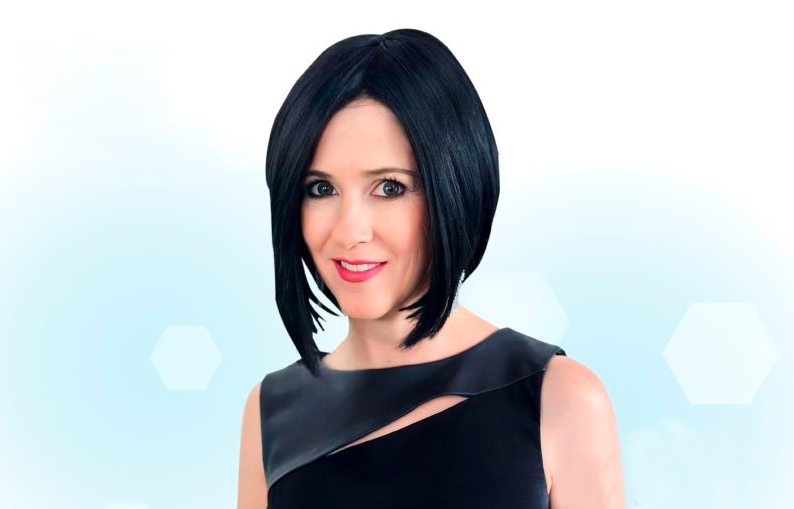
Francine Carrick, a veteran with over two decades in science communication, views AI not as a threat but as an opportunity. “We’re at this incredible inflection point where evolving regulations, increasingly complex data, and the rise of AI are fundamentally reshaping how we communicate science,” Carrick has noted in industry discussions.
After nearly seven years leading business and client strategy at Envision Pharma Group, Carrick joined BCB Group as Managing Director for Medical Communications in 2024, later transitioning to Chief Commercial Growth Officer for private equity-backed ventures. Her extensive experience has provided deep insight into the barriers limiting effective medical communication.
“What excites me most is that AI isn’t just speeding things up, it has the potential to make medical communications more precise, more accessible, and more impactful than ever before,” says Carrick. “Imagine publications that adapt in real time to new evidence, or tools that help authors surface insights buried in mountains of clinical data. We’re just scratching the surface.”
This vision is materializing as Carrick assumes the presidency of Prezent Vivo, aiming to democratize AI access across the life sciences industry. Previously recognized as a healthcare leader by Inventive Health for her strategic leadership, Carrick now brings her expertise to establish Prezent Vivo as a reliable AI solution for life sciences companies and communication agencies.
The industry has historically struggled with implementing AI tools that maintain scientific depth and accuracy, often resorting to traditional agencies despite their slower processes due to specialization requirements. Prezent Vivo addresses this gap by combining a customized large language model with domain expertise.
“I joined Prezent Vivo because I dreamt of a solution that would let the best people in MedComms bring more value to their clients,” explains Carrick. “MedComms is undergoing a real transformation, and the agencies I’ve admired most are the ones asking how to elevate their experts.”
The platform’s key innovation lies in its dual capabilities. First, its Astrid AI is specifically designed for life sciences communication, trained on brand compliance requirements, regulatory language, clinical evidence structures, and strategic context. This technology is complemented by human domain experts, including presentation engineers, medical communications specialists, and writers who provide scientific judgment and strategic narrative development.
By combining these elements, Prezent Vivo enables the industry to leverage AI-powered communication at scale without compromising precision or regulatory compliance. The platform delivers a comprehensive range of content across the full product lifecycle—from congress posters and scientific documents to advisory board materials and sales meetings.
For pharmaceutical companies, Prezent Vivo promises cost reductions of 35-85% compared to traditional agencies. Importantly, the platform isn’t positioned to replace medical communications agencies but to enhance their capabilities, allowing them to triple project volume per writer without additional staffing.
As misinformation continues to challenge scientific communication, Prezent Vivo represents an emerging approach to how AI might help amplify expert voices while improving patient engagement. By addressing the compliance and accuracy concerns that have previously limited AI adoption in life sciences, the platform offers a glimpse into how technology could strengthen rather than undermine trusted scientific communication.
Fact Checker
Verify the accuracy of this article using The Disinformation Commission analysis and real-time sources.

7 Comments
As someone with a background in science communication, I’m encouraged by the prospect of AI playing a role in enhancing public health messaging. Accurate, accessible information is crucial, and AI could streamline the process of synthesizing complex research into clear, compelling content. The key will be ensuring proper safeguards and transparency.
This is a fascinating topic. The rise of misinformation has been a major challenge, especially in the medical field, and I’m hopeful that AI can play a constructive role in addressing it. However, the potential for AI-generated content to perpetuate falsehoods is a valid concern that needs to be carefully managed. Transparency and rigorous fact-checking will be essential.
The potential for AI to improve public health communication is intriguing, but I share concerns about the risks of AI-generated content lacking proper verification. Misinformation can spread rapidly online, so any AI-powered systems would need robust fact-checking and quality control measures. Transparency and collaboration with medical experts will be essential.
As someone who closely follows developments in medical and scientific communication, I’m intrigued by the potential of AI to combat misinformation. If leveraged thoughtfully, AI-powered content summarization and distribution could help streamline the dissemination of accurate, evidence-based information to the public. However, the implementation details will be crucial.
This is a fascinating development. I’m curious to learn more about the specific AI techniques and models that could be leveraged to combat misinformation. Automated content summarization and generation seem promising, but the implementation details and ethical considerations will be crucial. Overall, a thoughtful, responsible approach to AI in this domain could yield significant benefits.
AI’s ability to combat misinformation and improve public health communication is an intriguing concept. Leveraging AI to synthesize accurate, trusted medical information could be a game-changer, especially during crises like the pandemic. I’m curious to learn more about the specific applications and safeguards.
This is a timely and important issue. The rise of misinformation has seriously eroded public trust in science and medicine. If AI can help restore credibility and confidence in healthcare, that would be a tremendous breakthrough. However, I have some concerns about the potential for AI-generated content to perpetuate falsehoods if not properly vetted.