


Listen to the article
Navigating Truth in the Digital Age: Expert Warns of AI and Misinformation Risks
In an era where information spreads at unprecedented speeds, distinguishing fact from fiction has become increasingly challenging for internet users. This growing concern brought AI and misinformation expert Shyam Sundar to the University of Hawaiʻi recently, where he delivered a talk on artificial intelligence and its implications for information consumption.
Sundar, who serves as co-director of the Media Effects Research Lab at Penn State University, sat down with Hawaiʻi Public Radio following his presentation to discuss how people can develop better critical thinking skills in today’s complex digital landscape.
“The real core reason behind misinformation spread is information overload,” explained Sundar. “When we’re overwhelmed with information, which happens constantly as media technologies advance, we economize our cognitive resources.”
This mental efficiency leads people to rely on what Sundar calls “cognitive heuristics” or mental shortcuts when evaluating information. These shortcuts can take various forms, from trusting someone in a lab coat (the authority heuristic) to believing products with five-star ratings on Amazon (the bandwagon heuristic).
Perhaps most relevant today is what Sundar terms the “machine heuristic” – our tendency to perceive machines as objective, accurate, and unbiased information sources. “We trust machines and what they produce as being the highest information quality,” he noted, highlighting how this perception shapes our interaction with AI-generated content.
The decline of traditional journalism compounds these challenges. With fewer trusted news organizations operating, especially at local levels, unvetted information flows more freely across digital platforms. Sundar emphasized the crucial role journalists play in fact-checking and verification.
“News organizations are staffed by people trained in the art and craft of journalism,” Sundar said. “Local news reporters know how to vet facts and double-check information – always getting two sources to verify something.” This professional standard stands in stark contrast to casual social media posting, where information passes without such rigorous verification.
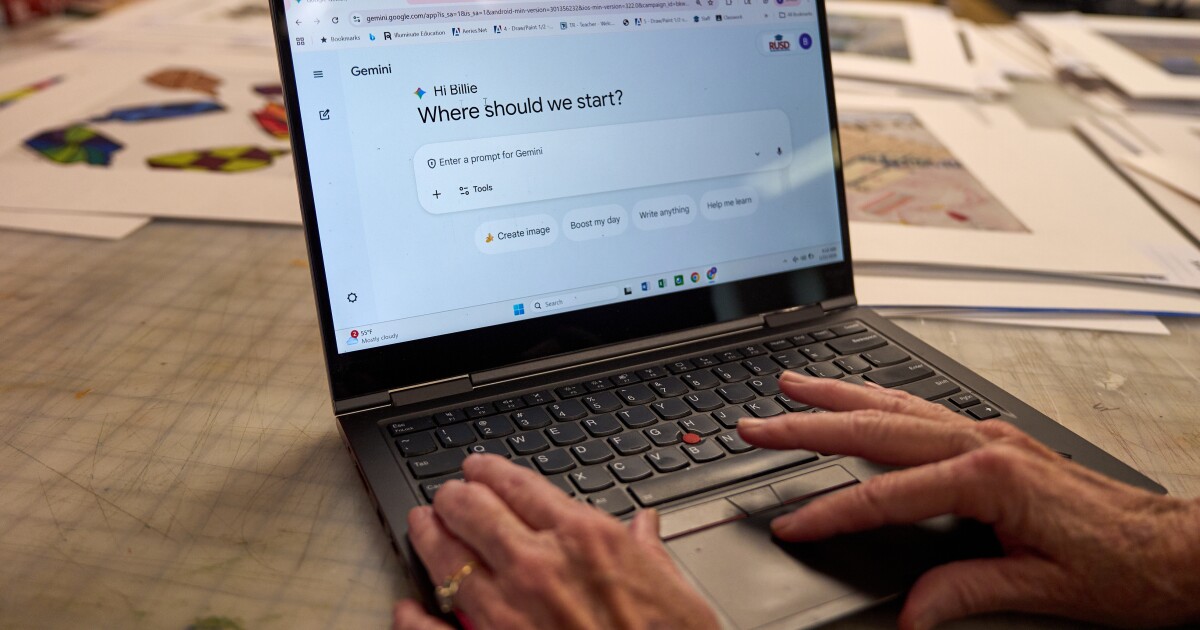
The rise of AI as an information source presents its own unique dangers. Sundar expressed particular concern about the growing reliance on AI-generated summaries, noting a troubling trend: “If you go to a search engine, it actually gives you an AI summary. In just the last eight to ten months, there’s been a 62% drop in the number of people clicking through the search links.”
This development worries Sundar, who has witnessed firsthand how AI summaries can mislead even educated users. “I’ve had several cases of my students getting the wrong idea about assigned readings based on what they thought was an accurate AI summary,” he revealed. “If this happens among university students, I can only imagine how news consumers might be misled by these so-called AI summaries.”
The implications extend beyond personal confusion to broader societal impacts. In areas classified as “news deserts” – regions with limited access to professional journalism – residents become particularly vulnerable to misinformation. Without trusted intermediaries to separate fact from fiction, communities increasingly rely on unverified social media posts or AI-generated content for information.
Penn State’s Media Effects Research Lab, which Sundar co-directs, has been at the forefront of studying these phenomena. The lab dedicates itself to “conducting empirical research on the social and psychological effects of media messages and technology,” providing valuable insights into how digital information environments shape public understanding.
As AI continues to evolve and information channels multiply, Sundar’s research highlights the importance of developing stronger critical thinking skills. The challenge ahead involves not just technological solutions but also educational approaches that help people recognize cognitive shortcuts and apply more rigorous standards when evaluating information.
For a public increasingly reliant on digital sources for news and information, the stakes couldn’t be higher. The ability to distinguish reliable information from misinformation may well determine how effectively societies can address complex challenges in the years ahead.
Fact Checker
Verify the accuracy of this article using The Disinformation Commission analysis and real-time sources.

8 Comments
This is a crucial issue that affects us all as digital consumers. I’m curious to hear the expert’s specific strategies for building the cognitive skills needed to discern truth from fiction online. Their perspective could be very valuable.
This is a timely topic. With AI and rapid information spread, we all need to be more vigilant about verifying sources and not relying on mental shortcuts. I appreciate the expert’s focus on building critical thinking to navigate the digital landscape.
Absolutely, critical thinking is key. I’m looking forward to seeing what practical tips the expert shares for consumers to stay informed and not fall victim to misinformation or manipulation.
Misinformation is a major challenge, and this expert’s insights on cognitive heuristics and critical thinking are timely. I’ll be interested to learn more about their recommendations for developing these skills to stay informed in the digital age.
Navigating the complex digital landscape and identifying misinformation is such an important skill today. I’m glad to see this expert providing guidance on using critical thinking to cut through the noise and stay grounded in facts.
Misinformation is a growing challenge, especially with the rise of AI-generated content. This expert’s insights on cognitive heuristics and developing better information evaluation skills are really important. I’ll be interested to learn more about their recommendations.
In an age of information overload, the ability to think critically and verify sources is essential. I’m glad to see this expert addressing the risks of misinformation and providing guidance on navigating the digital landscape more effectively.
It’s increasingly important to be discerning when consuming information online. This expert’s insights on using cognitive heuristics to cut through misinformation are valuable. I’m curious to learn more about their specific strategies for developing critical thinking skills.