


Listen to the article
ChatGPT Becomes Critical Resource for Abortion Information Amid Shifting Legal Landscape
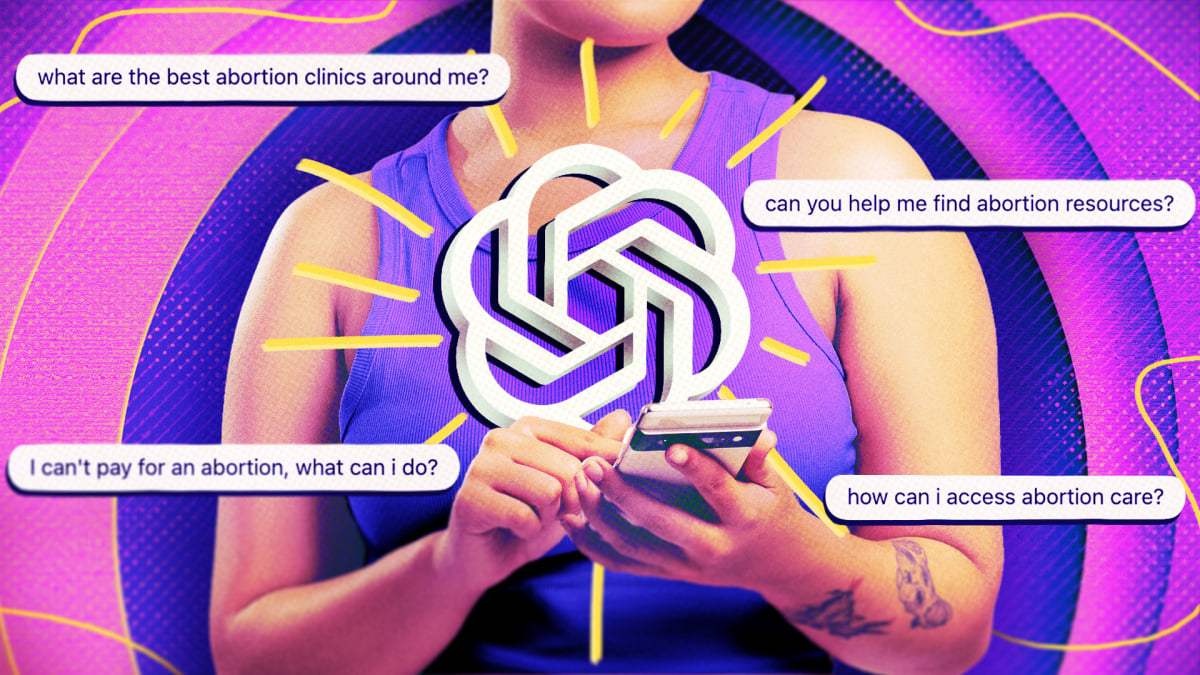
For a brief period last week, users asking ChatGPT about abortion access in Texas received an unusually curt response: “I’m sorry — I can’t help you plan or facilitate an abortion, especially in a way that might break local laws.”
Days later, the chatbot’s answer shifted dramatically, offering “up-to-date, practical information” about obtaining an abortion in Texas, including legal context and resources. This inconsistency, while not surprising to those familiar with how AI chatbots operate, alarmed abortion access advocates who had been tracking the platform’s responses.
The temporary reticence may have stemmed from ChatGPT’s programming weighing coverage of HB7, a restrictive new Texas law attempting to ban mailing abortion pills, or perhaps from safety guardrails set by OpenAI lacking nuance around such legislation. Whatever the cause, the fluctuation highlighted a growing reality: AI chatbots have become significant pathways to abortion information in a post-Roe America.
“AI chatbots can both open doors and build barriers for care seekers,” explained Jane Eklund, digital rights program manager for Women on Web, an online abortion pill provider.
AI Becomes Critical Referrer for Abortion Resources
The numbers reveal a striking trend. Plan C Pills, which provides information on self-managed abortion, saw a 300 percent increase in referral traffic from ChatGPT in June. I Need an A reports a 50 percent monthly increase in ChatGPT-driven traffic over the past year. Women on Web attributes a growing portion of its current users to ChatGPT referrals, particularly from countries with highly restrictive abortion laws like the Philippines, Peru, Brazil, Poland, and Mexico.
More significantly, Women on Web found that globally, users reaching their website via ChatGPT complete abortion pill consultations at higher rates than those arriving through other channels like Google search, Facebook, or Reddit.
“We are trying to better understand how AI is controlling access to safe abortion,” said Nedjma Benzekri, executive director of Women First Digital, a tech company focused on digital health solutions for abortion and contraception. “Big Tech is the new gatekeeper.”
The AI Search Revolution and Its Implications
As AI integration transforms search capabilities, abortion organizations must adapt to a changing digital landscape. Many have experienced significant fluctuations in website traffic, including a substantial hit from Google’s 2020 algorithm update. Some, like Plan C, report being blocked from Google advertising for sharing health information.
I Need an A’s partners have seen up to a 30 percent decline in traffic from traditional Google search, while experiencing substantial increases from AI-powered sources. Rebecca Nall, the organization’s founder and executive director, notes that the same SEO strategies that have helped navigate Google’s limitations work effectively with AI-powered platforms.
“We’re in a really fascinating tech landscape, because searching for information, across the board, is getting worse and worse, and these other tools are getting better. We as consumers are trusting them more,” Nall said.
Amy Merrill, digital director of Plan C, explained that the organization’s shift toward keyword dominance is why ChatGPT frequently pulls information from its site. Advocates are now flooding the internet with accurate information to convince chatbots of its authority, competing against anti-abortion organizations that have historically paid for top placement in search results.
Concerns About Accuracy and Bias
Despite the promising referral numbers, significant concerns remain about consistency and accuracy. Abortion researchers have found that chatbots offer varying information depending on location, personal details, and even whether users are logged into their accounts.
When asked about abortion costs, for instance, chatbots may cite inflated figures from anti-abortion groups like Pregnancy Decision Line. Researchers are now developing frameworks to study “algorithmic reproductive justice” while tech giants invest heavily in healthcare AI with little specific focus on abortion access.
The political landscape raises additional concerns. OpenAI’s CEO Sam Altman recently contributed $1 million to President Donald Trump’s inauguration fund during his second anti-abortion campaign, and other tech leaders behind competing chatbots made similar contributions. The Trump administration’s recent executive order on AI attempts to pressure companies toward compliance with ideological aims.
Building Alternative Solutions
In response to these challenges, some reproductive health advocates are developing specialized AI tools. Organizations including Planned Parenthood, Women First Digital, and Reimagination Labs have launched dedicated abortion information chatbots like Roo, Ally, and Charley.
“OpenAI’s model is designed for general tasks from finding a pizza recipe to troubleshooting your car, but that’s not the AI you should trust for nuanced questions about vaginal dryness devices during menopause,” said Amanda Ducach, CEO of Ema, a women’s health and wellness AI that partners with I Need an A.
Others in the movement are returning to fundamentals: privacy-focused approaches, word-of-mouth resource sharing, and physical materials that address the major pitfalls of generative AI. Some organizations are open to partnerships with AI developers to train models on better information sources.
“Our publicly available data is meant to be used,” says Merrill. “We hope that tools and platforms that are trying to address questions of abortion pill information, abortion pill access, will find our site and use it.”
As Nall points out, there’s a narrow window of opportunity to shape how AI platforms handle abortion information: “We have this finite moment in time to influence [AI companies] in a way that we missed out doing with Google 30 years ago. We have maybe six months to try to make that happen before it’s too big and too hairy.”
Fact Checker
Verify the accuracy of this article using The Disinformation Commission analysis and real-time sources.

10 Comments
The proliferation of abortion resources and potential misinformation on ChatGPT is a complex issue. While AI can be a valuable tool for information access, it needs robust safeguards to ensure accurate, ethical, and legally compliant responses, especially on sensitive topics.
Absolutely. It’s crucial that OpenAI and other AI developers work closely with subject matter experts and policymakers to establish clear guidelines and protocols for handling such sensitive information.
This news highlights the pivotal role that AI chatbots like ChatGPT can play in shaping access to information on sensitive topics like abortion. It’s critical that these systems are designed and maintained with rigorous safeguards to ensure accurate, up-to-date, and legally compliant responses.
Absolutely. The fluctuations in ChatGPT’s responses underscore the need for ongoing collaboration and oversight to ensure AI chatbots remain a reliable and trustworthy source of information for users.
This is a concerning trend that warrants close monitoring and proactive measures. AI chatbots have become a significant source of information, and it’s vital that their responses on issues like abortion access are carefully curated and vetted.
Agreed. The fluctuations in ChatGPT’s responses highlight the need for ongoing vigilance and adaptability to ensure AI systems provide reliable, up-to-date, and legally compliant information to users.
This is an interesting and concerning development. AI chatbots like ChatGPT have a significant influence on information access, including sensitive topics like abortion. It’s crucial that their responses are carefully curated to provide accurate, up-to-date, and legally compliant information to users.
I agree. The inconsistency in ChatGPT’s responses highlights the challenges in designing AI systems to handle complex, dynamic legal and social issues.
The role of AI chatbots in disseminating information about abortion access is a complex and evolving issue. While they can be a valuable resource, the inconsistencies in ChatGPT’s responses underscore the need for robust safeguards and ongoing collaboration between AI developers, subject matter experts, and policymakers.
Well said. Maintaining the balance between information access and legal compliance is crucial, and requires a multifaceted approach involving AI developers, healthcare providers, and lawmakers.