


Listen to the article
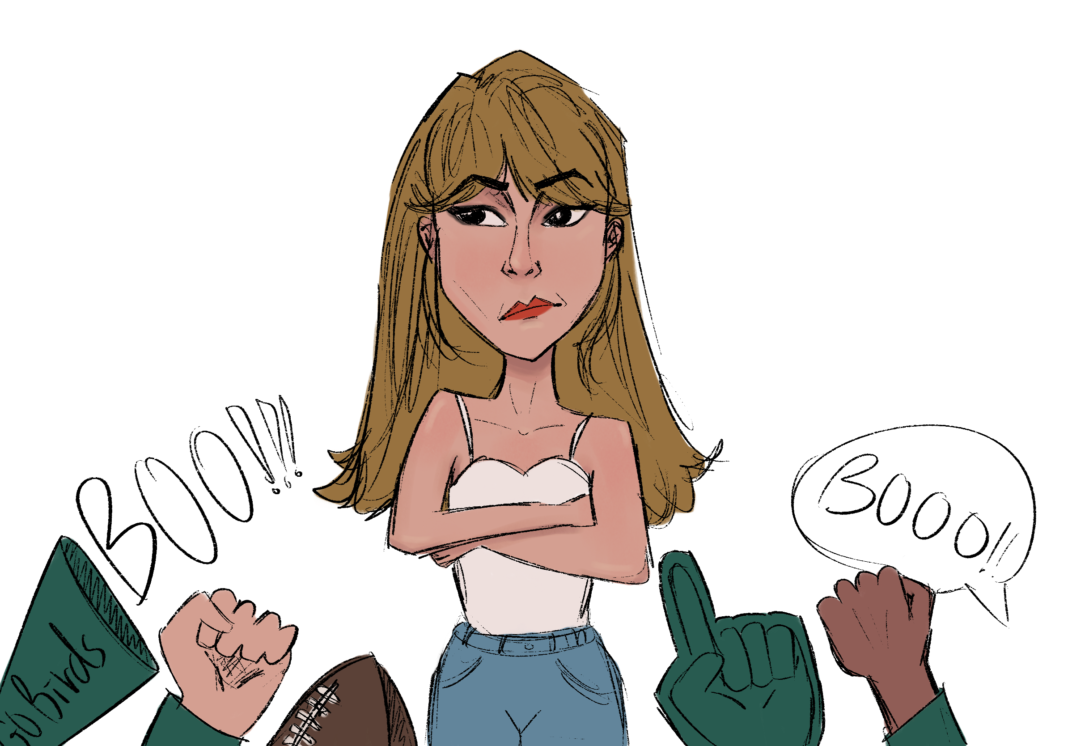
In a surprising turn of events at this year’s Super Bowl, global superstar Taylor Swift found herself at the center of controversy when she was met with boos upon appearing on the stadium jumbotron. Swift, who attended the championship game to support her boyfriend, Kansas City Chiefs tight end Travis Kelce, unexpectedly became a focal point that transcended the on-field action.
While some observers have dismissed the incident as merely part of the high-energy atmosphere typical of major sporting events, a closer examination reveals more complex undercurrents. The reaction to Swift’s presence appears to stem from a confluence of factors including misplaced frustration, media manipulation, and entrenched gender biases in sports culture.
Defenders of the booing have characterized it as an extension of sports rivalry – a common aspect of fan behavior. However, this explanation fails to acknowledge a crucial distinction: booing a celebrity who is simply attending a game differs fundamentally from expressing disapproval toward athletes or coaches whose performance directly affects the outcome. Unlike players who are subject to scrutiny because of their professional role, Swift was present solely as a spectator supporting her partner.
The incident gained significant traction on social media, where videos of the negative response quickly went viral. Digital platforms transformed a fleeting moment into a cultural flashpoint, often reinforcing a narrative that portrayed Swift as an unwelcome intruder rather than offering a nuanced perspective on evolving fan culture.
Sports sociologists point to a persistent gender-based double standard underlying these reactions. According to research published in The Society Pages, men have historically been considered the default sports enthusiasts, while women frequently face demands to prove their knowledge and dedication. This pattern creates a particular hostility toward high-profile women like Swift who enter traditionally male-dominated spaces.
The contrast in treatment is striking when compared to Swift’s own fan base. When Kelce attends her concerts, he typically receives enthusiastic welcome – often being cheered and celebrated by her fans. Similarly, male celebrities like Adam Sandler and Pete Davidson regularly appear at sporting events without facing comparable backlash, highlighting the gendered nature of the response to Swift.
Tennis legend Serena Williams publicly defended Swift following the incident, suggesting that the negative reaction stemmed more from discomfort with seeing a prominent woman occupy space in a traditionally masculine domain than from any specific behavior on Swift’s part.
Media coverage has played a significant role in shaping this dynamic. In recent years, NFL broadcasts have increasingly featured celebrity reactions, with networks frequently cutting to Swift during games. This editorial choice has fueled a narrative that sometimes overshadows athletic competition – a situation created by media companies rather than by Swift herself.
The NFL has deliberately positioned the Super Bowl as more than just a championship game, incorporating elaborate halftime performances, celebrity appearances, and high-profile advertising to attract a broader audience beyond dedicated football fans. This strategy explicitly acknowledges that not everyone attending or watching is there exclusively for the athletic competition.
Sports marketing experts note that the Super Bowl has evolved into a cultural touchstone that brings together diverse audiences through shared experience. The expectation that every attendee must conform to traditional fan stereotypes ignores the event’s evolution into a multifaceted cultural phenomenon that appeals to people for various reasons.
The reaction to Swift’s presence also reflects broader trends in how celebrity involvement in sports is perceived. While some traditionalists argue that celebrity focus detracts from the game itself, others see these cultural crossovers as natural extensions of contemporary entertainment landscapes where boundaries between different forms of popular culture have become increasingly porous.
As sports continue to evolve as both athletic competitions and cultural events, incidents like the booing of Taylor Swift serve as reminders of the ongoing challenges in creating truly inclusive fan environments. The backlash highlights lingering double standards and suggests that despite significant progress, sports culture still struggles with fully embracing diverse participation and viewership.
For Swift, who has remained largely silent about the incident, the controversy represents yet another example of the intense scrutiny that follows her public appearances – even when attending an event in a personal capacity rather than as a performer.
Fact Checker
Verify the accuracy of this article using The Disinformation Commission analysis and real-time sources.

11 Comments
As an avid fan of mining and commodities, I’m curious to see how this Taylor Swift controversy plays out. While it may seem unrelated, any major news story can impact broader public perceptions and potentially influence sentiment around the mining industry as well.
That’s a good point. Even seemingly unrelated events in pop culture can sometimes have ripple effects on other industries and sectors. It will be interesting to see if this controversy has any influence on mining-related news coverage or discussions.
Fascinating to see how a celebrity’s presence at a sporting event can stir up such strong reactions. The article highlights some complex social and cultural dynamics at play. While the mining industry may not be directly involved, it’s always worth keeping an eye on broader trends that could impact public perceptions.
Interesting to see the reaction to Taylor Swift at the Super Bowl. While booing athletes is common, booing a celebrity just attending the game seems a bit excessive. I wonder if there are other factors at play here beyond just sports rivalry.
I agree, the backlash against Swift seems to go beyond typical sports fan behavior. The article raises some thought-provoking points about potential media manipulation and gender biases in the sports culture.
While the Taylor Swift story may seem far removed from the world of mining and commodities, I think the article raises some important points about the power of media manipulation and gender biases. These broader social and cultural trends can have subtle but meaningful impacts across various industries.
Absolutely, even seemingly isolated events can have ripple effects that are worth paying attention to. As an industry, we should be mindful of how shifting public perceptions, whether driven by media narratives or other factors, could potentially influence investment, policy, or regulatory decisions related to mining.
As someone with a keen interest in the mining and energy sectors, I found this article to be a thought-provoking exploration of how high-profile controversies can extend beyond their immediate context. While the Taylor Swift story may not directly impact commodity markets, it’s a valuable reminder of the complex interplay between media, culture, and public sentiment.
This Taylor Swift situation is a prime example of how media narratives can influence public opinion, even in seemingly unrelated domains like the mining industry. As an investor, I’ll be watching closely to see if this controversy has any unexpected effects on commodity markets or mining equities.
This Taylor Swift controversy is a fascinating case study in the power of media narratives and the sometimes unexpected ways they can influence public discourse. Even if the mining industry is not directly involved, it’s always prudent to be aware of these broader social and cultural trends that could potentially shape industry perceptions and outcomes.
Agreed. As an industry, we need to stay vigilant and attuned to how shifting societal dynamics, whether driven by celebrity scandals or other factors, could impact the public’s understanding and perception of mining and energy-related issues.