


Listen to the article
Pro-Kremlin Disinformation Campaigns Target Mpox Crisis in Africa, Echoing Cold War Tactics
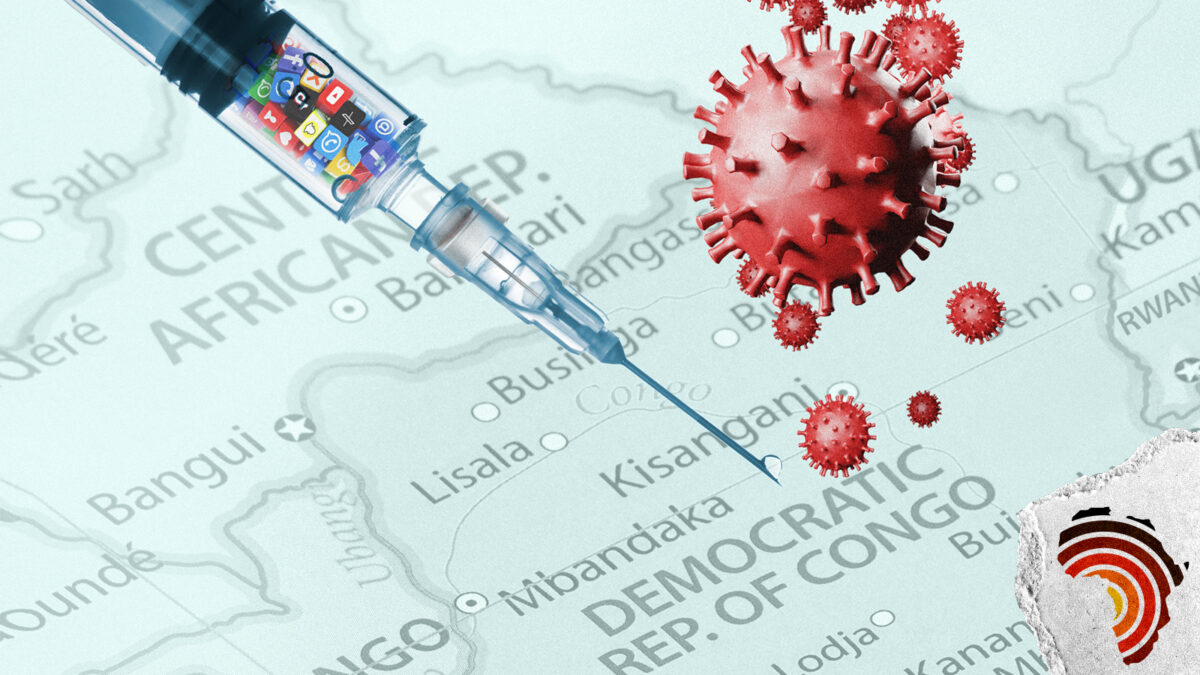
Russian-linked networks are exploiting the ongoing mpox health crisis in Africa through sophisticated disinformation campaigns reminiscent of deadly Cold War-era propaganda, security and health experts warn.
The current wave of conspiracy theories surrounding mpox bears striking similarities to Operation Denver, a notorious 1983 KGB disinformation campaign that falsely portrayed HIV/AIDS as a U.S. bioweapon. That Soviet operation, which reached over 80 countries, had devastating consequences when it influenced policy decisions by leaders like South African President Thabo Mbeki, whose rejection of scientific consensus on HIV treatment led to an estimated 330,000 preventable deaths, according to Harvard researchers.
Today’s disinformation landscape has evolved with technology but employs familiar tactics. False narratives circulating in African media and online platforms suggest mpox was engineered in European laboratories to sterilize Congolese communities or generate profits for pharmaceutical companies, according to monitoring by disinformation researchers.
The virus, formerly known as monkeypox, was first identified in laboratory monkeys in Copenhagen in 1958, with the first human case documented in 1970 in the Democratic Republic of Congo (DRC). In September 2023, a new variant designated as clade 1b emerged in Kamituga, a mining town in DRC’s South Kivu Province. Despite earlier containment efforts, this new strain spread rapidly across the country, prompting the World Health Organization to declare a global health emergency in August 2024.
Public health experts note that colonial-era medical abuses have created fertile ground for distrust across Africa. This historical context, combined with rapid information sharing on social media, allows false narratives to gain traction quickly.
Influential figures have amplified these conspiracies. Togolese activist Egountchi Behanzin, who commands a significant social media following in francophone Africa, has reportedly spread false claims about mpox and other diseases. According to Wall Street Journal investigations, Behanzin allegedly received payments from Russian entities while promoting anti-Western health narratives.
By August 2024, Russian state media outlets including Sputnik and TASS were actively promoting Russian vaccine development efforts by the Gamaleya Institute and Rospotrebnadzor while simultaneously undermining confidence in Western aid initiatives. This dual approach appears designed to position Russia as Africa’s trusted partner while portraying Western countries and the WHO as malevolent actors.
“The strategy mirrors classic Soviet active measures, but with digital amplification,” explained one disinformation researcher who requested anonymity due to security concerns. “These campaigns don’t just spread false information—they exploit legitimate historical grievances and current anxieties to deepen divides.”
Health officials are particularly concerned about disinformation linking mpox to LGBTIQ+ communities, which not only stigmatizes vulnerable populations but could potentially trigger violence and drive the epidemic further underground, making containment more difficult.
The consequences extend beyond public perception. When disinformation takes root, vaccination campaigns face resistance, treatment protocols are questioned, and containment measures become harder to implement. Public health experts warn that without addressing the information crisis alongside the biological one, efforts to control mpox will be severely hampered.
“Vaccines alone won’t stop disease spread if communities reject them based on false information,” said a WHO spokesperson. “Building trust through transparent communication is as essential as medical interventions.”
As mpox continues to spread, health authorities face the dual challenge of treating the disease while countering the viral spread of disinformation—a battle that carries echoes of deadly propaganda campaigns from decades past but with potentially faster and wider impact in today’s connected world.
Fact Checker
Verify the accuracy of this article using The Disinformation Commission analysis and real-time sources.

14 Comments
This is a troubling development, and the parallels to past disinformation campaigns are deeply concerning. We must remain vigilant and counter these tactics with rigorous fact-checking and science-based communication. The health and safety of affected communities should be the top priority.
This is a concerning development. Disinformation can have real-world consequences, as we’ve seen with past disease outbreaks. I hope the international community can work together to counter these tactics and restore public trust in public health authorities.
The parallels to the HIV/AIDS disinformation campaigns are deeply troubling. We’ve seen the devastating consequences of such tactics before, and we cannot allow them to take hold again. Rigorous fact-checking and transparent communication are crucial.
I agree. The public deserves accurate, science-based information from trusted sources. Holding the perpetrators of these disinformation campaigns accountable is also essential to prevent further harm.
This is a concerning trend. Exploiting health crises for political gain or profit is unethical and dangerous. I hope authorities can effectively counter these disinformation campaigns and restore public trust in the science.
Me too. Fact-checking and transparent communication from public health experts will be crucial to combat the spread of misinformation. Holding the perpetrators accountable is also important.
This is a complex issue, but the health and safety of affected communities should be the top priority. Disinformation campaigns that sow confusion and distrust are unacceptable and must be addressed forcefully.
It’s disappointing to see these tactics resurface, especially when they have such devastating consequences. I hope the international community can work together to address the root causes of these disinformation campaigns.
The comparison to the HIV/AIDS conspiracy theories is a stark reminder of the dangers of misinformation. We must remain vigilant and rely on credible scientific sources when it comes to public health issues. Anything less puts lives at risk.
Absolutely. Misinformation can be deadly, and we’ve seen the devastating consequences before. Fact-checking and transparent communication from public health experts are crucial to combat these dangerous narratives.
Interesting piece on the disinformation around the mpox outbreak. It’s important to separate facts from myths, especially when it comes to public health issues. Spreading false narratives can have devastating consequences, as we’ve seen with past disease outbreaks.
Agreed. The parallels drawn to the HIV/AIDS conspiracy theories are concerning. We must remain vigilant against the spread of harmful misinformation, especially when it can impact critical medical responses.
The comparison to the HIV/AIDS conspiracy theories is a sobering reminder of the real-world impact misinformation can have. We must remain vigilant and rely on trusted scientific sources when it comes to public health issues.
Absolutely. Misinformation can be deadly, especially when it undermines public health efforts. Rigorous fact-checking and effective communication strategies are essential to counter these dangerous narratives.