


Listen to the article
Armenian Prime Minister Nikol Pashinyan’s close adviser has been implicated in a scandal involving alleged manipulation of media coverage, according to documents obtained by local investigative journalists.
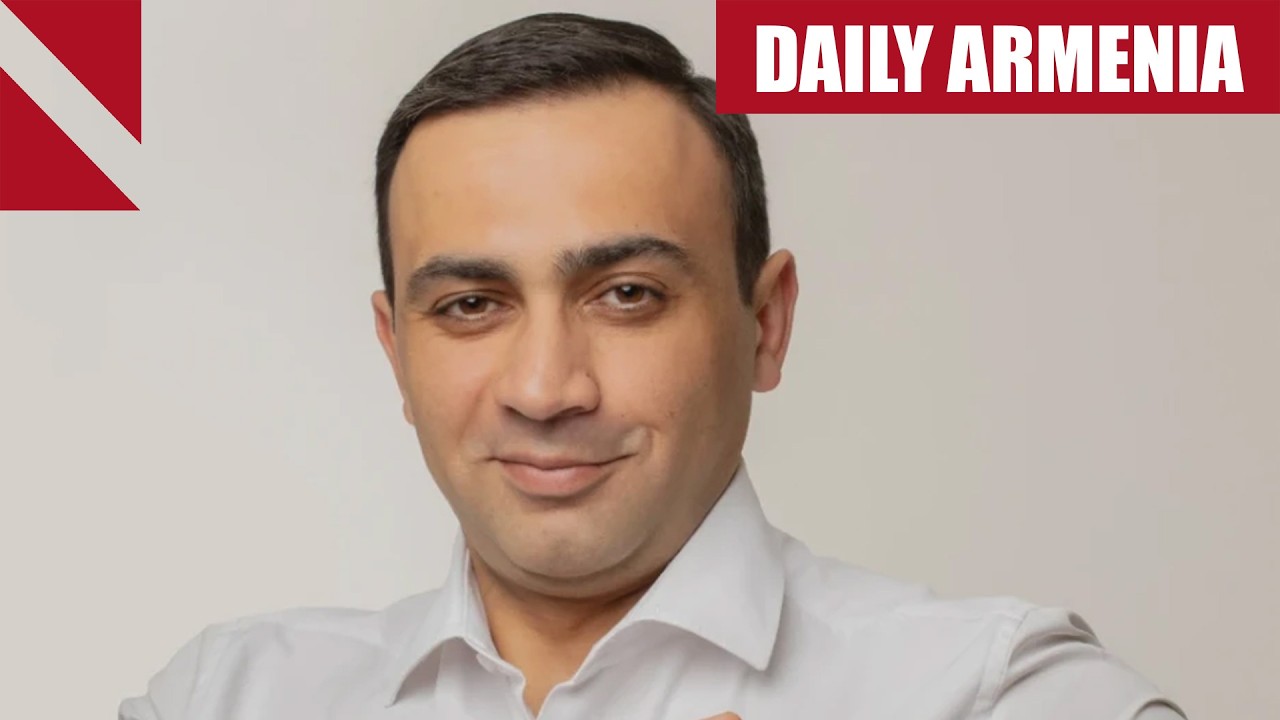
Aram Sargsyan, who has served as Pashinyan’s media strategist since 2018, allegedly orchestrated a sophisticated campaign to influence public opinion through a network of seemingly independent news outlets. The revelations come at a sensitive time for Armenia’s government, which has faced growing criticism over its handling of regional security concerns and economic challenges.
The investigation, published Tuesday by independent media platform CivilNet, claims to have uncovered financial transactions linking Sargsyan to at least seven online news sites that have consistently published content favorable to the Pashinyan administration while attacking opposition figures.
Bank records and internal communications reviewed by CivilNet suggest that between 2020 and 2023, approximately 380 million drams (roughly $950,000) flowed from government-affiliated sources through shell companies before reaching these media outlets. The documents indicate that Sargsyan personally approved content guidelines and messaging strategies.
“These findings raise serious questions about media independence in Armenia,” said media ethics expert Vartan Hakobyan from Yerevan State University. “When government officials secretly control supposedly independent outlets, it undermines the fundamental principle of press freedom that is essential to democratic societies.”
The Armenian government has swiftly denied the allegations. In a statement released Wednesday, the Prime Minister’s office called the investigation “politically motivated disinformation” aimed at destabilizing the country. Sargsyan himself declined multiple requests for comment, though his lawyer issued a statement threatening legal action against CivilNet.
Media manipulation has been a contentious issue in Armenia since the 2018 Velvet Revolution that brought Pashinyan to power. Ironically, Pashinyan – a former journalist himself – campaigned on promises to ensure press freedom after years of media control under previous administrations.
Since Armenia’s defeat in the 2020 Nagorno-Karabakh war and subsequent loss of the disputed territory last year, the government has faced heightened scrutiny. Critics suggest the alleged media manipulation scheme intensified during these periods of political vulnerability.
“The timing is not coincidental,” said political analyst Gayane Avetisyan. “The data shows increased payments and coordinated messaging campaigns precisely when public approval of the government was declining.”
The investigation has prompted calls for parliamentary inquiry from opposition parties, with the Armenia Alliance faction demanding Sargsyan’s resignation pending investigation. International media watchdog organizations, including Reporters Without Borders, have expressed concern about the allegations.
“These revelations, if proven true, represent a sophisticated form of media capture that threatens Armenia’s democratic development,” said the organization’s Caucasus coordinator in a statement Thursday.
Armenia’s media landscape has undergone significant transformation since the Soviet era, with dozens of new outlets emerging in the digital age. However, media ownership transparency has remained problematic, with many news sources having unclear financial backing.
The scandal highlights broader regional concerns about media manipulation across the South Caucasus, where neighboring Azerbaijan and Georgia have also faced criticism for government interference in press freedom.
Economic implications could follow if the allegations gain traction. Armenia has positioned itself as an emerging democracy to attract Western investment and strengthen ties with the European Union. Questions about media independence could potentially complicate these relationships.
Legal experts suggest that if evidence substantiates the claims, those involved could face charges related to misappropriation of public funds and abuse of power, carrying potential prison sentences of up to five years under Armenian law.
Public reaction has been mixed, with government supporters dismissing the allegations as politically motivated, while opposition figures are using the scandal to question the administration’s commitment to democratic values.
As the situation develops, media observers note that the scandal itself demonstrates the resilience of Armenia’s genuine independent journalists, whose investigation brought these allegations to light despite apparent attempts to control the information space.
The CivilNet investigation promises additional revelations in the coming weeks, suggesting that the full scope of the alleged media manipulation network has yet to be revealed.
Fact Checker
Verify the accuracy of this article using The Disinformation Commission analysis and real-time sources.

9 Comments
This is a concerning development for Armenia’s media landscape. If true, these allegations of manipulation and lack of transparency are troubling. It’s crucial that the public can trust the independence and integrity of news sources, even those that may be critical of the government.
Agreed. Maintaining a free and fair media is essential for democracy. I hope the authorities will investigate this matter thoroughly and take appropriate action if wrongdoing is confirmed.
The reported financial ties between government-affiliated sources and seemingly independent news outlets raise serious questions about potential conflicts of interest and undue influence. Transparency and editorial independence are vital for the public to make informed decisions.
This is a complex issue that goes to the heart of democratic governance. Allegations of media manipulation are always troubling, as they undermine the public’s ability to access reliable information and hold their leaders accountable. I hope the investigation uncovers the full truth of the matter.
These allegations, if true, are extremely concerning and highlight the need for robust media oversight and accountability measures. The public deserves access to impartial, fact-based reporting, free from undue political influence or financial entanglements. I’ll be following this story closely to see how it unfolds.
While the details are still emerging, this case highlights the importance of robust media oversight and accountability mechanisms to protect against potential manipulation or abuse of power. I’m curious to see how the Armenian government and public respond to these allegations.
Absolutely. Maintaining public trust in the media is crucial, especially during sensitive political and economic times. The authorities must address these concerns transparently and decisively.
If proven, this scheme would be a serious breach of journalistic ethics and public trust. The alleged financial links between the government and supposedly independent news outlets are highly problematic and deserve thorough scrutiny. Maintaining a pluralistic, transparent media environment is essential for Armenia’s democratic development.
Well said. Transparency and independence are the cornerstones of a healthy media ecosystem. I hope the authorities take decisive action to address these concerns and restore public confidence.