


Listen to the article
Aide to Armenian Prime Minister Linked to Alleged Media Manipulation Scheme
A senior aide to Armenian Prime Minister Nikol Pashinyan has been implicated in an alleged social media manipulation scheme designed to shape political narratives in the South Caucasus nation, according to a new investigation by independent watchdog CivilNetCheck.
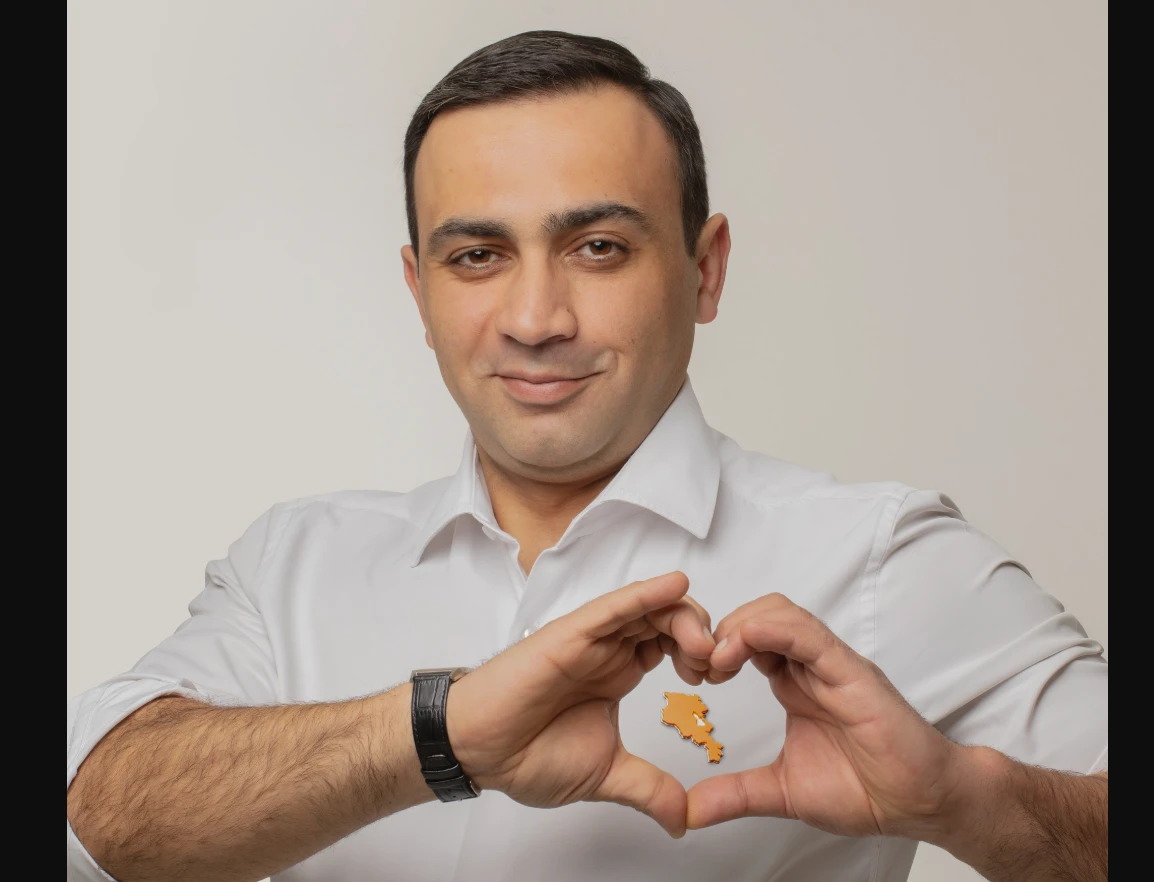
Investigators Ani Grigoryan and Shushan Stepanyan discovered that Taron Chakhoyan, deputy chief of staff to Prime Minister Pashinyan, was listed in archived domain registration records as the owner of MediaNews.site, a pro-government outlet allegedly involved in coordinated information operations masquerading as independent public discourse.
The investigation uncovered archived domain records from January 2018 containing Chakhoyan’s name, phone number, email address, and home address as the website’s registrant. These ownership details were subsequently concealed through privacy protection services, raising questions about transparency and potential conflicts of interest within the Armenian government’s inner circle.
When confronted with the findings, Chakhoyan denied any connection to the website, suggesting that his personal details could have been used without his knowledge or consent to register the domain.
The revelations come at a sensitive time for Armenia, which has undergone significant political transformation since the 2018 “Velvet Revolution” that brought Pashinyan to power on promises of democratic reforms and greater transparency. The country continues to navigate complex geopolitical challenges following the 2020 Nagorno-Karabakh conflict with neighboring Azerbaijan.
CivilNetCheck’s investigation documented a pattern where MediaNews.site systematically republished content from suspicious social media accounts that displayed characteristics of inauthentic behavior. These accounts routinely criticized opposition figures while promoting pro-government narratives.
In one documented instance, a Facebook account under the name Anna Ohanyan published criticism targeting businessman Samvel Karapetyan, a figure known to have ties to Russia and significant investments in Armenia’s economy. MediaNews.site republished this content approximately 25 minutes later, when the original post had garnered only six likes—suggesting coordination rather than organic content discovery.
Investigators noted the account displayed multiple red flags indicative of inauthentic activity, including the use of profile images bearing hallmarks of artificial intelligence generation.
Similar patterns emerged with accounts named Ara Hakobyan, Babken Avetisyan, and Sasha Simonyan, all of which exhibited characteristics consistent with coordinated inauthentic behavior. Content from these accounts was frequently amplified across a network of pro-government pages within minutes, further suggesting an organized operation rather than natural online discourse.
Media manipulation and information operations have become increasingly sophisticated tools in political landscapes across the former Soviet space. Armenia’s proximity to Russia—where such tactics have been extensively documented—and its ongoing democratization process make it particularly vulnerable to such influence campaigns.
The allegations are especially troubling given Chakhoyan’s position as deputy chief of staff to Prime Minister Pashinyan, placing a high-ranking government official at the potential nexus of a coordinated media manipulation effort. If substantiated, these findings would raise serious questions about the Armenian government’s commitment to media freedom and democratic principles.
Media experts note that such operations typically aim to create the illusion of widespread public support for government positions or to discredit opposition figures by making coordinated messaging appear as spontaneous public opinion. This form of information manipulation can significantly distort public discourse and undermine democratic processes.
The investigation comes amid growing concerns about media freedom in Armenia. Despite initial improvements following the 2018 revolution, international press freedom organizations have noted concerning trends in recent years, including increased polarization of the media landscape and growing government sensitivity to criticism.
Neither the Prime Minister’s office nor MediaNews.site had issued formal responses to the allegations at the time of reporting. The investigation continues to draw attention from civil society organizations and international monitors concerned with media integrity and democratic development in the region.
Fact Checker
Verify the accuracy of this article using The Disinformation Commission analysis and real-time sources.

18 Comments
The implications of this investigation go beyond Armenia’s borders, as it speaks to broader challenges facing media integrity and democratic resilience worldwide. I hope this case serves as a wake-up call for strengthening safeguards against information manipulation.
Excellent point. Threats to media independence and the spread of disinformation are global issues that require coordinated, multi-stakeholder responses. Lessons from this case could inform best practices for protecting the integrity of public discourse.
If these allegations are accurate, it would represent a deeply troubling breach of public trust. The Armenian government must address this matter swiftly and transparently to reassure the public and restore confidence in the democratic process.
I agree. Rebuilding trust will be critical, and the government must demonstrate a clear commitment to media freedom, transparency, and accountability. Anything less would further erode the public’s faith in their institutions.
While the allegations are concerning, I withhold judgment until a thorough, impartial investigation can establish the facts. Maintaining objectivity and due process is vital, even when high-level officials are implicated.
I agree. We must avoid rushing to conclusions and ensure that any wrongdoing is properly investigated and addressed through legitimate channels, without political bias or speculation.
I’m curious to know more about the specific tactics and scale of this alleged media manipulation scheme. Gaining a deeper understanding of the methods used will be important for developing safeguards against such practices in the future.
Good point. The details of how this operation was carried out, and the extent of its reach, will be crucial in determining the full impact and formulating an appropriate response.
This is a troubling development that deserves close scrutiny. The public has a right to access unbiased, factual information from their media. Any attempts to manipulate the information landscape are a threat to democratic discourse.
Absolutely. The credibility and independence of the media are essential pillars of a functioning democracy. These allegations, if proven, must be addressed swiftly and transparently.
While the details are still emerging, this investigation underscores the need for robust, independent oversight of government activities, particularly in the realm of communications and media. Upholding transparency and accountability must be a top priority.
Agreed. Effective systems of checks and balances, as well as strong whistleblower protections, are essential to ensure that those in power are held accountable for any abuse of their position or public trust.
This case highlights the importance of a free and independent media landscape, which serves as a crucial check on those in power. Effective oversight and accountability mechanisms are essential to protect democratic institutions.
Well said. The media’s role as a watchdog is vital, and any attempts to undermine it must be taken seriously. Robust safeguards and transparency measures are needed to uphold journalistic integrity.
Concerning to see allegations of media manipulation linked to the Armenian government. Transparency and journalistic integrity are vital for a healthy democracy. I hope this investigation leads to a full accounting and any necessary reforms.
Agreed. If true, these allegations raise serious questions about potential conflicts of interest and abuse of power within the government. Independent oversight and public scrutiny will be crucial.
This case highlights the fragility of democratic institutions and the constant need to vigilantly defend against efforts to subvert them. I hope the relevant authorities in Armenia conduct a thorough, impartial investigation and take appropriate actions to safeguard the integrity of their media landscape.
Well said. Defending democracy requires eternal vigilance, especially when it comes to protecting the free flow of information. I hope this serves as a wake-up call for Armenia and other nations facing similar challenges to strengthen their democratic safeguards.