


Listen to the article
A growing social media trend called “looksmaxxing” is raising concerns among health experts as young men across America pursue sometimes extreme measures to enhance their physical appearance. The phenomenon, which divides into “softmaxxing” and “hardmaxxing,” has prompted warnings about both physical and psychological risks.
In a recent Fox News segment, host Brian Kilmeade explored this trend with specialists who described it as a quest for young men to “surpass genetic potential” through various interventions. Methods range from relatively harmless skincare routines to potentially dangerous physical alterations.
Dr. Claire Wolinsky, a board-certified dermatologist based in New York, noted that looksmaxxing has gained significant traction over the past year. She pointed to practices like “mewing” – a technique where individuals position their tongues in specific ways to supposedly reshape their jawlines – as an example of the scientifically unfounded methods becoming popular.
“These techniques are clearly not science-based at all,” Wolinsky explained, attributing the trend’s growth to social media influence rather than medical research or advice.
The digital landscape appears to be the primary driver behind this shift toward male-centric beauty standards. Wolinsky observed that many young people have developed a distrust of traditional medical advice, instead turning to online sources for information about appearance enhancement.
“They look online for their information, and they look at attractive peers to see what they’re doing, and they want to look like them,” she said, highlighting how influencers have supplanted physicians as authorities on health and grooming standards for a generation of young men.
The psychological dimensions of the trend are equally concerning, according to New Jersey-based family therapist Tom Kersting. He raised questions about the underlying mental health of those participating in looksmaxxing, wondering whether these behaviors stem from “narcissistic behavior” or represent a search for “external gratification from strangers online.”
Kersting emphasized that genuine self-esteem is internally derived, not measured by digital validation. “Self-esteem is how I feel about myself. It has nothing to do with how many likes, followers or thumbs-up that I get from the outside world,” he stated.
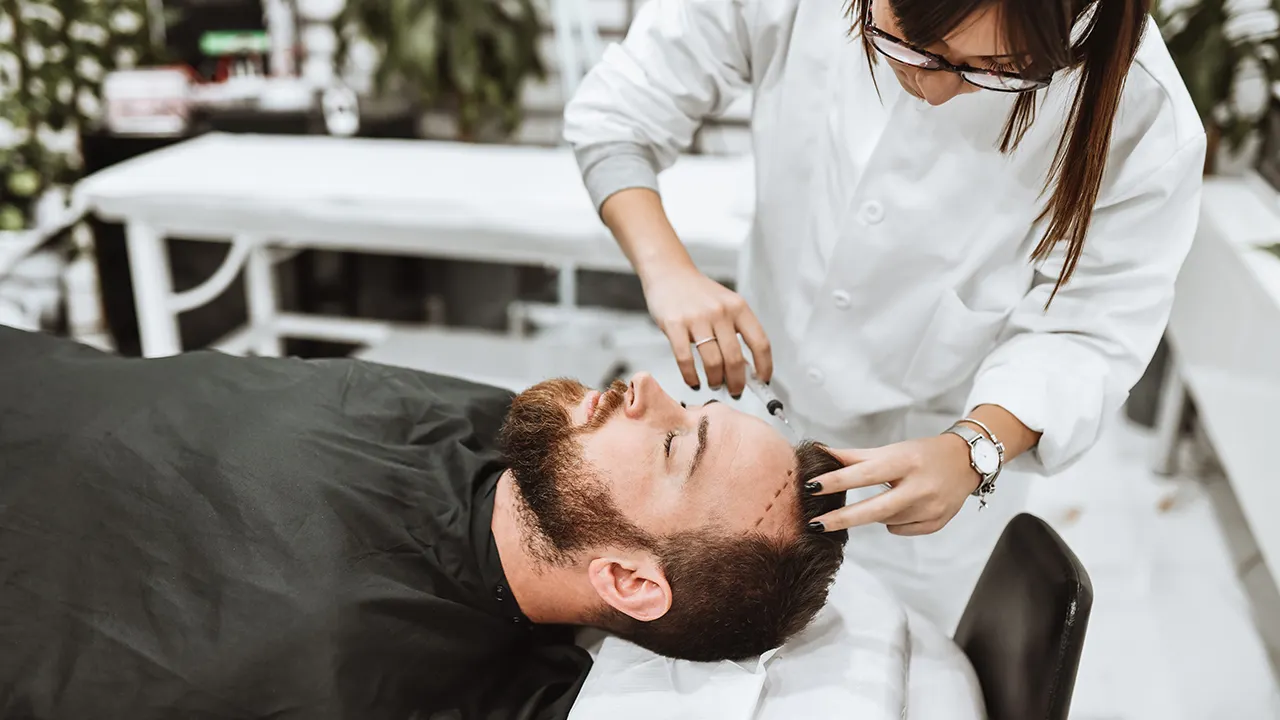
While experts acknowledged that certain aspects of looksmaxxing are benign – such as basic skincare routines or prioritizing quality sleep – they expressed serious concerns about more extreme practices categorized as “hardmaxxing.” These include steroid use, unregulated supplement consumption, and seeking plastic surgery at young ages.
“These practices concern me as a mom and also as a physician,” Wolinsky noted.
Among the most alarming techniques discussed was “bone smashing,” where individuals reportedly use hammers or other objects to attempt to alter their facial structure – a practice experts unequivocally condemned as dangerous and counterproductive.
“There’s no way that by destroying a bone, it gets thicker or better, or your jawline’s going to look improved,” Wolinsky warned.
The rise of looksmaxxing may reflect broader societal issues facing young males today. Kersting suggested that the trend might be symptomatic of a generation of young men who feel “pushed aside and forgotten about” in contemporary society.
As these young men search for identity and belonging, they increasingly turn to internet communities and social media personalities for guidance – sources that, according to Kersting, often “don’t really have anything very influential to offer.”
The concern among health professionals centers on the blurring line between self-improvement and self-harm, particularly as vulnerable young men navigate complex questions of identity and appearance in a digital landscape that often prioritizes aesthetic ideals over health and well-being.
As looksmaxxing continues to gain popularity, medical professionals are advocating for increased awareness about the potential risks of extreme approaches to appearance enhancement and emphasizing healthier pathways to self-improvement.
Fact Checker
Verify the accuracy of this article using The Disinformation Commission analysis and real-time sources.

8 Comments
This ‘looksmaxxing’ phenomenon is quite troubling. While the desire to enhance one’s appearance is understandable, resorting to extreme, unproven methods can be extremely risky, both physically and psychologically. I hope this trend doesn’t gain further traction and that young people are made aware of the potential dangers involved.
The ‘looksmaxxing’ phenomenon highlights the intense societal pressures young men can face around their appearance. While self-improvement is understandable, this trend seems to cross ethical boundaries and could have serious unintended consequences. More open dialogue around body image and mental health would be beneficial.
This ‘looksmaxxing’ trend sounds quite concerning. Pursuing extreme measures to alter one’s appearance, especially at a young age, can have serious physical and psychological risks. It’s important for people to be aware of the potential dangers and seek professional medical advice rather than relying on unproven social media techniques.
While enhancing one’s appearance can be understandable, resorting to scientifically unsupported methods like ‘mewing’ is worrying. These trends are likely driven more by social media influence than credible research or medical guidance. I hope young people can find healthy ways to feel confident without putting their wellbeing at risk.
Agreed, it’s crucial that people, especially youth, are cautioned against these potentially harmful practices. Consulting qualified health professionals is the wisest approach.
This ‘looksmaxxing’ craze is quite alarming. Risking one’s physical and psychological wellbeing through unproven, potentially dangerous techniques is extremely concerning. I hope this trend doesn’t gain further traction and that young people can learn to feel comfortable in their own skin instead of pursuing drastic measures.
The ‘looksmaxxing’ trend is a disturbing reflection of the intense pressures young men face around their appearance. Resorting to extreme, scientifically unsupported methods to alter one’s face is extremely risky and could have severe unintended consequences. I hope this trend is quickly curbed before more young people put their health at risk.
Absolutely. This trend is incredibly worrying and demonstrates the need for much more open, honest dialogue around body image, self-esteem and mental health, especially for young men. Cautioning against these harmful practices is crucial.