


Listen to the article
In a fast-paced, technology-driven world, a growing number of people are finding solace in an unlikely source: the lifestyle of their grandparents. This countermovement, dubbed “nonnamaxxing,” draws inspiration from the slower, more intentional rhythms associated with traditional Italian grandmothers and is gaining significant traction on social media platforms.
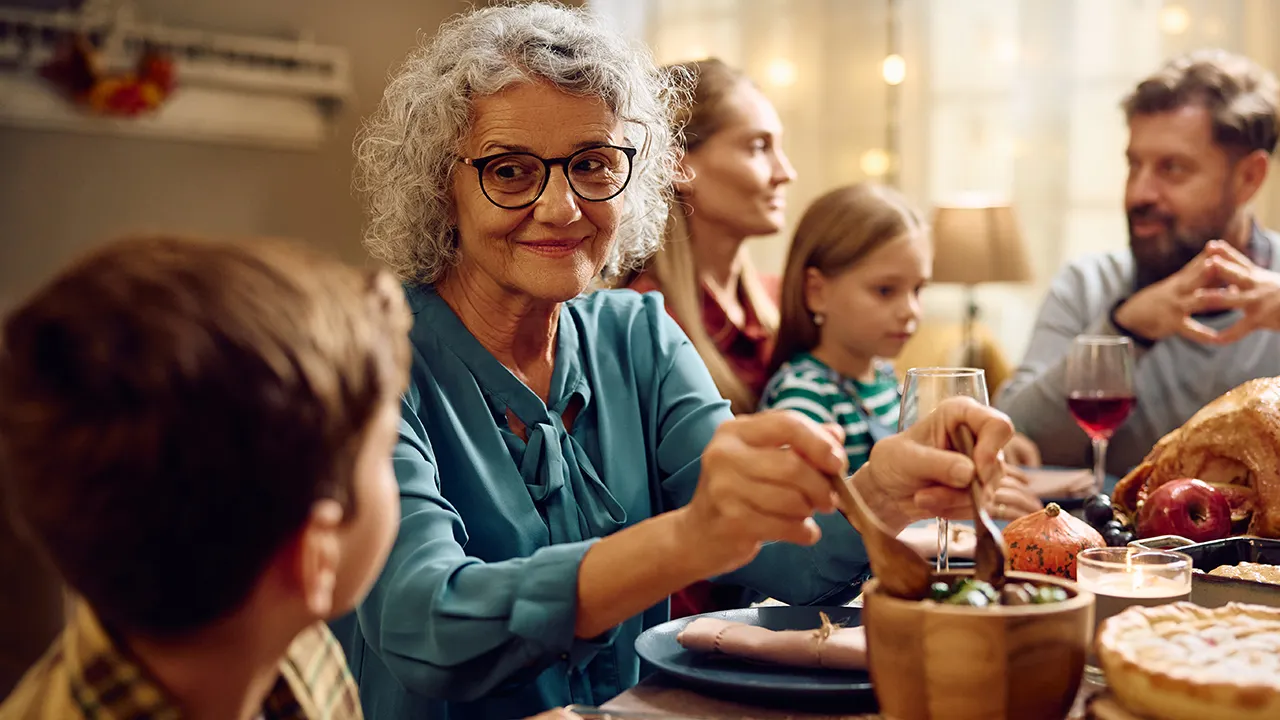
“Nonnamaxxing is a 2026 trend that embraces the slower, more intentional lifestyle of an Italian grandmother (a Nonna). Think cooking from scratch, long family meals, daily walks, gardening and less screen time,” explains Erin Palinski-Wade, a New Jersey-based registered dietitian.
The movement comes at a time when digital burnout and mental health concerns are reaching unprecedented levels. Research consistently shows that excessive screen time and constant connectivity contribute to increased anxiety, depression, and feelings of isolation among all age groups.
California-based psychotherapist Laurie Singer points to the tangible benefits of this lifestyle shift. “We know that interacting with others in person, rather than spending time on screens, significantly improves mental health,” she notes. Social media platforms, while designed to connect people, often achieve the opposite effect by fueling unhealthy comparison and lowering self-esteem.
The appeal of nonnamaxxing extends beyond simply disconnecting from technology. Cooking meals from scratch, a cornerstone of the movement, has been linked to better nutrition and more mindful eating patterns. When these meals are regularly shared with others, the benefits multiply, supporting both physical and mental wellbeing.
Traditional food preparation methods also encourage a more intimate relationship with ingredients and seasonal eating patterns. This stands in stark contrast to the modern convenience food culture, which often prioritizes speed over quality and nutrition.
Mental health professionals have long recognized the psychological benefits of focusing on singular tasks and working with one’s hands. “Anxiety often stems from unfinished or avoided tasks,” Singer explains. “Nonnamaxxing encourages us to be present around a task, like gardening, baking or knitting, or just taking a mindful walk, that delivers something ‘real.'”
The simple act of completing a tangible project—whether it’s baking bread, growing vegetables, or finishing a craft—provides a sense of accomplishment that many find lacking in digital endeavors. These activities also engage different neural pathways than those used during screen time, potentially offering cognitive benefits.
However, experts caution against turning nonnamaxxing into yet another source of pressure or perfectionism. Palinski-Wade notes that a traditional “nonna” lifestyle often assumes a different pace of life that may not be fully achievable in today’s demanding work environment.
“The key is adapting the mindset, not replicating it perfectly,” she emphasizes. Rather than attempting a complete lifestyle overhaul, Palinski-Wade suggests introducing small, intentional moments that provide respite from constant connectivity.
These might include prioritizing a few shared meals each week, taking phone-free walks, or setting aside time for simple hobbies that engage the hands and mind. The goal is to create pockets of calm and connection in an otherwise hectic schedule.
The nonnamaxxing trend reflects a broader societal recognition that technological progress, for all its benefits, has disrupted fundamental aspects of human wellbeing. As people increasingly seek balance between modern convenience and time-tested wisdom, looking to previous generations offers valuable perspective.
“Having a positive place to escape to, through whatever activities speak to us and make us happy, isn’t generational – it’s human,” Singer concludes. This sentiment perhaps best captures the essence of nonnamaxxing: not a rejection of modernity, but rather a thoughtful integration of practices that humans have found meaningful across generations.
As the movement continues to gain popularity, it serves as a reminder that sometimes the most innovative solutions to modern problems can be found in the habits and traditions of the past.
Fact Checker
Verify the accuracy of this article using The Disinformation Commission analysis and real-time sources.

9 Comments
I’m intrigued by the idea of nonnamaxxing and the potential benefits it could have. In a world that often feels increasingly disconnected, reclaiming a sense of community, tradition, and mindfulness sounds incredibly valuable.
Agreed, the emphasis on in-person interaction and less screen time is especially compelling. Cultivating those deeper human connections and a more grounded, present-focused lifestyle could be transformative.
As someone who struggles with digital burnout, the nonnamaxxing trend is really appealing. Embracing a slower pace of life, with more time for cooking, gardening, and face-to-face socializing, sounds like it could do wonders for both mental and physical health.
Interesting concept – the nonnamaxxing trend sounds like a welcome antidote to the fast-paced, tech-driven world we live in. Embracing a slower, more intentional lifestyle with a focus on real human connection and simple pleasures could have significant mental and physical health benefits.
It’s great to see a countermovement emerging that encourages people to unplug, reconnect with nature, and rediscover the joys of home-cooked meals and quality time with loved ones. This could be a game-changer for our collective wellbeing.
Absolutely, the research showing the negative impacts of excessive screen time and lack of in-person interaction is really concerning. Adopting a more nonna-inspired lifestyle seems like a simple yet powerful way to combat those issues.
While the nonnamaxxing trend may not be for everyone, I can certainly appreciate the appeal. Slowing down, appreciating the simple pleasures, and prioritizing mental and physical wellbeing over constant connectivity – it’s a refreshing counterpoint to the modern hustle culture.
The nonnamaxxing trend is a fascinating concept, and I can see how it could have real benefits for both individual and community wellbeing. Reconnecting with traditional ways of living, with a focus on mindfulness and human connection, could be a powerful antidote to the challenges of modern life.
I have to admit, the idea of embracing a nonna-inspired lifestyle is quite appealing. In a world that often feels overly fast-paced and high-tech, the emphasis on home-cooked meals, gardening, and face-to-face socialization sounds like a much-needed reset.