


Listen to the article
Delaware Doctor Pays $180,000 Settlement for Medicare Fraud Involving Genetic Cancer Tests
A Delaware physician has agreed to pay $180,000 to the federal government to resolve claims that she ordered medically unnecessary genetic cancer tests for Medicare patients she never examined, costing the program over half a million dollars in fraudulent payments.
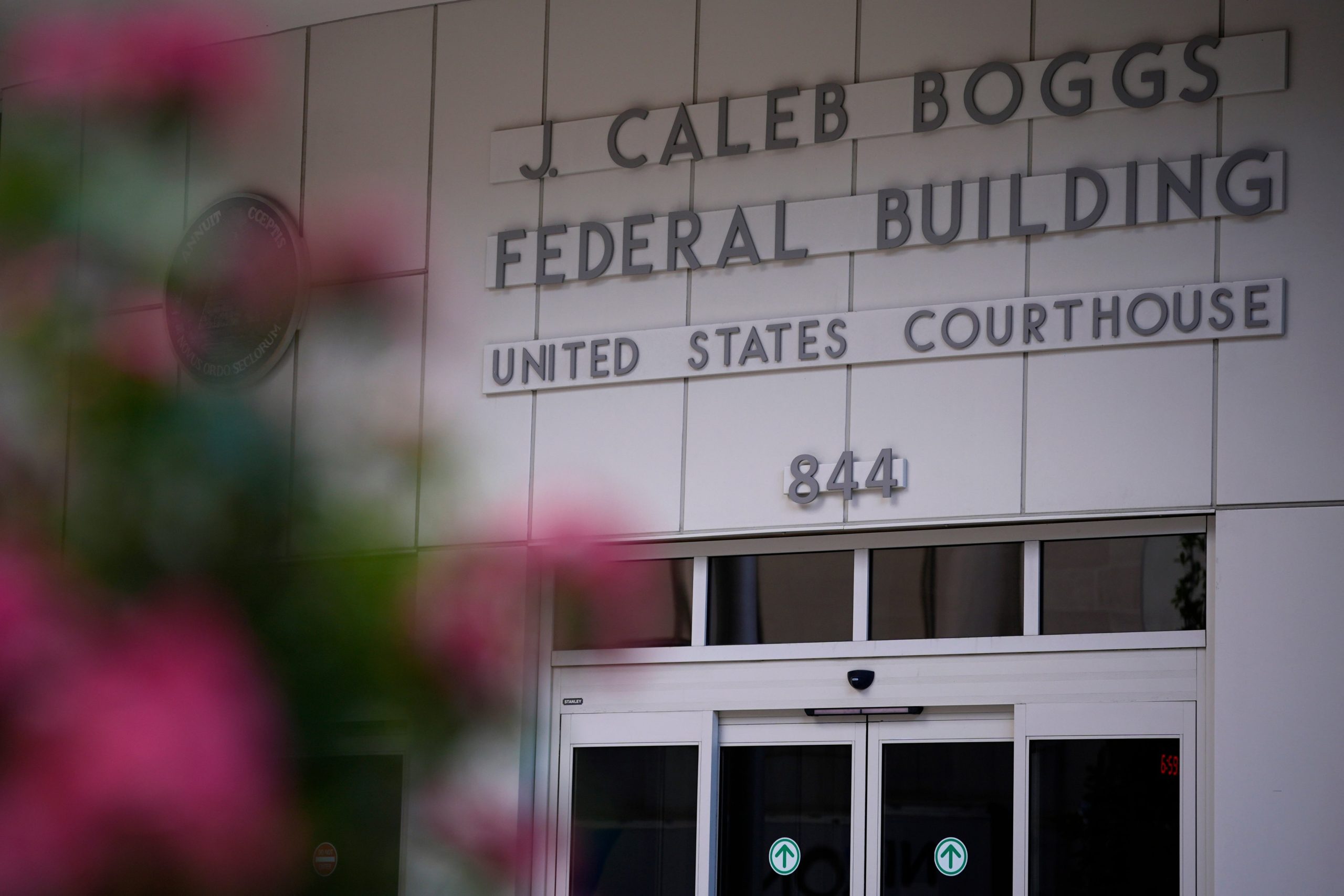
According to documents filed by the U.S. Attorney’s Office in Delaware, Dr. Shayasta S. Mufti ordered unnecessary genetic cancer tests for 103 Medicare beneficiaries during a seven-month period in 2019. The settlement, reached in April, included an “undisputed” statement of facts detailing how Mufti violated the False Claims Act by ordering tests that were “not reasonable and necessary, and not covered by Medicare.”
Court records show that Mufti worked as a consultant for telemedicine company MySpecialistMD, which paid her $25 for each “purported consultation.” In total, she received approximately $15,000 from the company for her role in the scheme. Her actions resulted in $1.7 million in bills being submitted to Medicare, of which the government program paid $565,000.
As an enrolled Medicare provider, Mufti had agreed to comply with program laws and regulations, including not knowingly presenting false or fraudulent claims. Instead, prosecutors say she had “brief, if any” communications with the patients before “electronically approving” the genetic tests through an online portal.
“Dr. Mufti had no pre-existing physician-patient relationship with any of the beneficiaries for whom she ordered testing,” according to the statement of facts. “Notwithstanding her certifications, she did not examine the beneficiaries, and made no effort to determine whether genetic testing was medically necessary or consistent with Medicare coverage limitation.”
The investigation further revealed that Mufti never reviewed or discussed test results with patients and did not use the results to manage their medical conditions or inform treatment decisions. Her determinations were “based solely on the criteria supplied by MySpecialistMD, not on any medical judgment consistent with Medicare requirements.”
Three-quarters of the genetic tests ordered by Mufti were performed by Landmark Diagnostics, a Houston-based laboratory. In a related case, Landmark owner Daniel Hurt pleaded guilty in 2022 to health care fraud, accepting kickbacks, and money laundering across Pennsylvania, New Jersey, and Florida. Hurt is currently serving a 10-year prison sentence for orchestrating a scheme that defrauded Medicare and other insurers of tens of millions of dollars through fraudulent genetic cancer testing.
Benjamin Wallace, Delaware’s U.S. Attorney, condemned such practices in a written statement: “Physicians who order unnecessary and expensive services, including genetic tests, drain critical resources from Medicare and other federal health care programs. These schemes not only waste taxpayer dollars, they undermine the integrity of programs that millions of Americans rely on.”
The case highlights ongoing concerns about fraud in genetic testing, which has become a growing area for Medicare abuse. In recent years, federal authorities have intensified efforts to crack down on telemedicine fraud schemes targeting government health programs. The Department of Justice has launched multiple enforcement actions against telemedicine companies, genetic testing laboratories, and physicians who order medically unnecessary tests in exchange for kickbacks.
Despite the settlement, Mufti has not faced criminal charges and maintains an active medical license in Delaware. When contacted about the case, Mufti’s attorney, Adam Balick, declined to comment.
Medicare fraud involving genetic testing has become increasingly prevalent as these tests have gained popularity. Federal health officials estimate that Medicare loses billions annually to fraudulent claims, with genetic testing emerging as a particularly vulnerable area due to its high reimbursement rates and the complexity of determining medical necessity.
The settlement underscores the government’s commitment to protecting taxpayer dollars and ensuring the integrity of the Medicare program for the millions of Americans who depend on it.
Fact Checker
Verify the accuracy of this article using The Disinformation Commission analysis and real-time sources.

12 Comments
This is a serious case of Medicare fraud. Doctors should be held accountable for ordering unnecessary tests just to line their own pockets. $180,000 seems like a reasonable settlement, but I hope this serves as a strong deterrent to others tempted to abuse the system.
Agreed. Misusing government healthcare programs is unethical and hurts taxpayers. Hopefully this sends a clear message that such fraud will not be tolerated.
It’s good to see the government cracking down on this kind of fraudulent activity. Doctors who take advantage of Medicare patients and the system need to face serious consequences. This settlement should be a wake-up call for others considering similar schemes.
Absolutely. Medicare fraud drains resources from those who truly need care. Holding providers accountable is crucial to protect program integrity.
While $180,000 is a significant amount, I wonder if it fully captures the damage done by this doctor’s fraudulent actions. Ordering unnecessary tests not only wastes taxpayer money, but it also puts patients at risk of unnecessary medical procedures. Stricter oversight and tougher penalties may be needed to prevent such abuses.
That’s a fair point. The financial penalty may not be enough to address the broader harm caused by this type of fraud. Protecting patient safety and the integrity of government healthcare programs should be the top priorities.
Genetic cancer tests can provide valuable medical information, but they need to be ordered responsibly. This doctor’s actions were clearly driven by greed, not patient care. The $180,000 settlement, while substantial, may not fully recoup the $565,000 in fraudulent Medicare payments.
You make a good point. The financial penalty should serve as a deterrent, but the real victims here are the Medicare program and its beneficiaries who were impacted by this unethical conduct.
Billing Medicare for unnecessary tests is unacceptable. This doctor’s actions were a blatant abuse of her position and the public’s trust. While the settlement amount is significant, I hope federal prosecutors will continue to aggressively pursue all cases of healthcare fraud to protect taxpayer funds.
I agree. Rooting out fraud in government healthcare programs should be a top priority. Doctors who violate their oath to patients must face serious consequences.
It’s disheartening to see a medical professional exploit vulnerable patients and the Medicare system for personal gain. This settlement highlights the importance of strong oversight and accountability in healthcare. Doctors who engage in such egregious misconduct should face harsher penalties.
Couldn’t agree more. Patients need to be able to trust their doctors, and this type of fraud seriously erodes that trust. Robust enforcement and stiff penalties are crucial to deter future abuses.