


Listen to the article
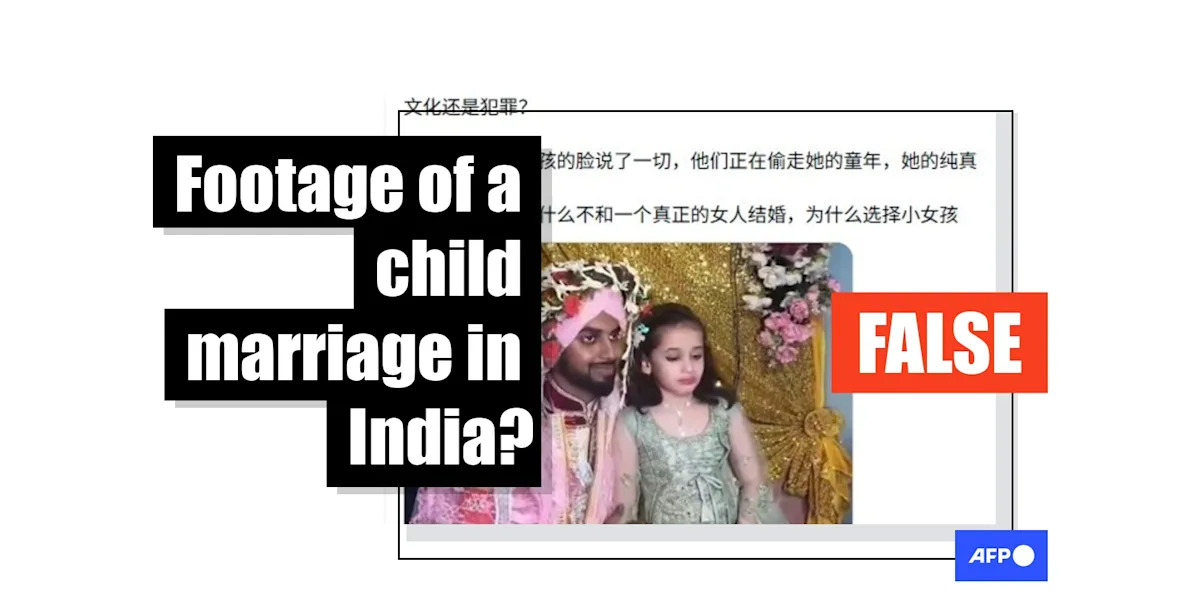
In a dramatic case of viral misinformation, a video falsely portrayed as showing a child marriage in India has been debunked after investigation revealed the true context behind the circulating footage.
The 30-second clip, which spread rapidly across social media platforms including X (formerly Twitter), TikTok, and Threads in April 2026, showed a man in traditional Indian wedding attire interacting with a young girl. The post in simplified Chinese claimed: “Culture or crime? It is disgusting. The little girl’s face says it all. They’re stealing her childhood, her innocence. What a cowardly pervert, why didn’t he marry a real woman, why did he choose a little girl.”
The video sparked outrage among viewers who believed it depicted an actual child marriage. Comments reflected widespread disgust, with users condemning what they perceived as an abusive relationship. “Shame on you, this is a child, how dare you desire her? And I do not bless this disgraceful marriage for you,” read one comment.
However, AFP’s fact-checking team has confirmed the clip does not show a child marriage. The girl’s mother revealed that the man in the video is actually the child’s maternal uncle (known as “mamu” in Hindi) who was attempting to console his niece when she became upset during a wedding ceremony.
“It was at the wedding and my daughter was upset and crying, so her mamu (my brother) was trying to make her laugh,” the mother explained to AFP through Instagram before deleting her account.
Further evidence supporting this explanation came from additional videos on the mother’s social media accounts showing the same man participating in a traditional Indian wedding game with his actual bride – an adult woman. The game, common at Indian weddings, involves newlyweds competing to find objects in a container filled with colored liquid.
The misrepresentation highlights the dangers of sharing content without proper context, especially when concerning sensitive issues like child marriage.
Child marriage remains a significant global challenge, with India accounting for approximately one-third of the world’s cases, according to 2023 data from UNICEF. The UN agency defines child marriage as a union where a girl enters marriage before reaching 18 years of age.
Despite the prevalence of child marriages in India, UNICEF has acknowledged the country’s “remarkable progress” toward eliminating the practice. Statistics show a substantial decline in the percentage of girls and women married before adulthood, dropping from 49 percent in 2001 to 23 percent in 2021.
The viral nature of the false narrative underscores both ongoing concerns about child marriage and the ease with which decontextualized media can fuel misconceptions about cultural practices in different regions.
This incident is not isolated. AFP has previously debunked other misinformation regarding child marriage, reflecting how easily visual content can be misinterpreted or deliberately misrepresented to generate outrage.
The original video had Hindi text overlay that translated to: “A niece is not only her parents’ daughter but also the daughter of her uncle,” further indicating the familial relationship being portrayed rather than a marital one.
After AFP’s investigation, the Instagram accounts connected to the video were either made private or deleted, likely in response to the unwanted attention generated by the false claims. While the account holder identified as the girl’s mother responded to initial inquiries from AFP, follow-up attempts to contact the man in the video have not received responses.
This case serves as a reminder of the importance of digital literacy and critical evaluation of social media content, especially when encountering emotionally charged material that appears to depict controversial or harmful practices.
Fact Checker
Verify the accuracy of this article using The Disinformation Commission analysis and real-time sources.

23 Comments
This is a concerning example of how quickly misinformation can spread and the real-world consequences it can have. I’m glad the facts were uncovered to clear the family’s name. It’s a stark reminder of the need for more responsible and ethical reporting, especially when it comes to sensitive cultural practices.
This case highlights the dangers of viral misinformation and how quickly rumors can spread online. I’m glad the facts were uncovered to clear the family’s name. It’s a good reminder to verify claims before passing judgment.
Absolutely. Social media can be a breeding ground for unsubstantiated accusations. We must be vigilant about checking sources and context before jumping to conclusions.
Falsely accusing someone of such a heinous crime is horrifying. I’m relieved the investigation revealed the true relationship between the individuals in the video. We need to be more careful about verifying information, especially when it involves sensitive cultural practices.
I agree. This case highlights the importance of media literacy and fact-checking, especially when it comes to potentially damaging claims. Rushing to judgment can have serious consequences.
Misinformation and viral outrage can have serious consequences, as seen in this case. The fact-checking efforts to uncover the true context behind the video clip are commendable. This is a valuable lesson in the importance of verifying information before reacting.
Absolutely. Knee-jerk reactions to sensational social media posts can do more harm than good. Taking the time to properly investigate the facts is crucial to prevent the spread of damaging rumors.
This is a concerning example of how quickly misinformation can spread and the real-world impact it can have. I’m glad the facts were uncovered to clear the family’s name. We need to be more careful about verifying claims, especially those that could harm innocent people.
Agreed. This case highlights the importance of media literacy and critical thinking when it comes to online content. It’s crucial that we take the time to understand the full context before forming opinions or passing judgment.
This is a troubling case of viral misinformation spreading outrage over a false portrayal. The true context behind the video clip is important to establish before making judgements. Fact-checking helps prevent the spread of harmful rumors.
You’re right, it’s critical to verify the facts before jumping to conclusions. I’m glad the investigation revealed the real situation, which was quite different from the initial viral claims.
This is a concerning example of how quickly misinformation can go viral and generate outrage, even when the underlying claims are false. Rigorous fact-checking is essential to combat the spread of harmful disinformation.
You make a good point. In today’s digital age, viral clips can rapidly escalate without proper context. I’m glad the truth was uncovered in this case to prevent further damage.
This case highlights the need for nuance and caution when reacting to viral social media posts. The fact-checking process revealed the true nature of the situation, which was quite different from the initial inflammatory claims. Responsible reporting is key.
Well said. Overreacting without verifying the facts can lead to harmful outcomes. I’m glad the investigation provided the full context to set the record straight.
The debunking of this false claim is a good reminder of the importance of verifying information before passing judgment. Viral misinformation can have serious consequences, so diligent fact-checking is critical.
Agreed. It’s easy for narratives to spiral out of control online, especially around sensitive issues. Taking the time to understand the full context is the responsible approach.
The spreading of this false claim is deeply troubling. I’m relieved the investigation revealed the truth and cleared the family’s name. This is a stark reminder of the need for more responsible and ethical reporting, especially when it comes to sensitive cultural practices.
Well said. This case underscores the power of social media to amplify misinformation and the real-world harm it can cause. We must be vigilant in verifying claims and resisting the urge to rush to judgment without all the facts.
It’s unfortunate that this family had to endure such a public and damaging accusation. I’m glad the truth came out and their name was cleared. This is a cautionary tale about the power of social media to spread misinformation rapidly.
You’re right. This case serves as a reminder that we must be vigilant about verifying information, especially when it involves sensitive cultural practices or the welfare of children. Rushing to judgment can have serious repercussions.
It’s good that the AFP fact-checking team was able to confirm the true context behind this circulating video. Misinformation can spark intense reactions, so responsible reporting is crucial to prevent the spread of harmful rumors.
Absolutely. Fact-checking is so important, especially for sensitive topics like this where emotions can run high. Taking the time to understand the full story is the responsible approach.