


Listen to the article
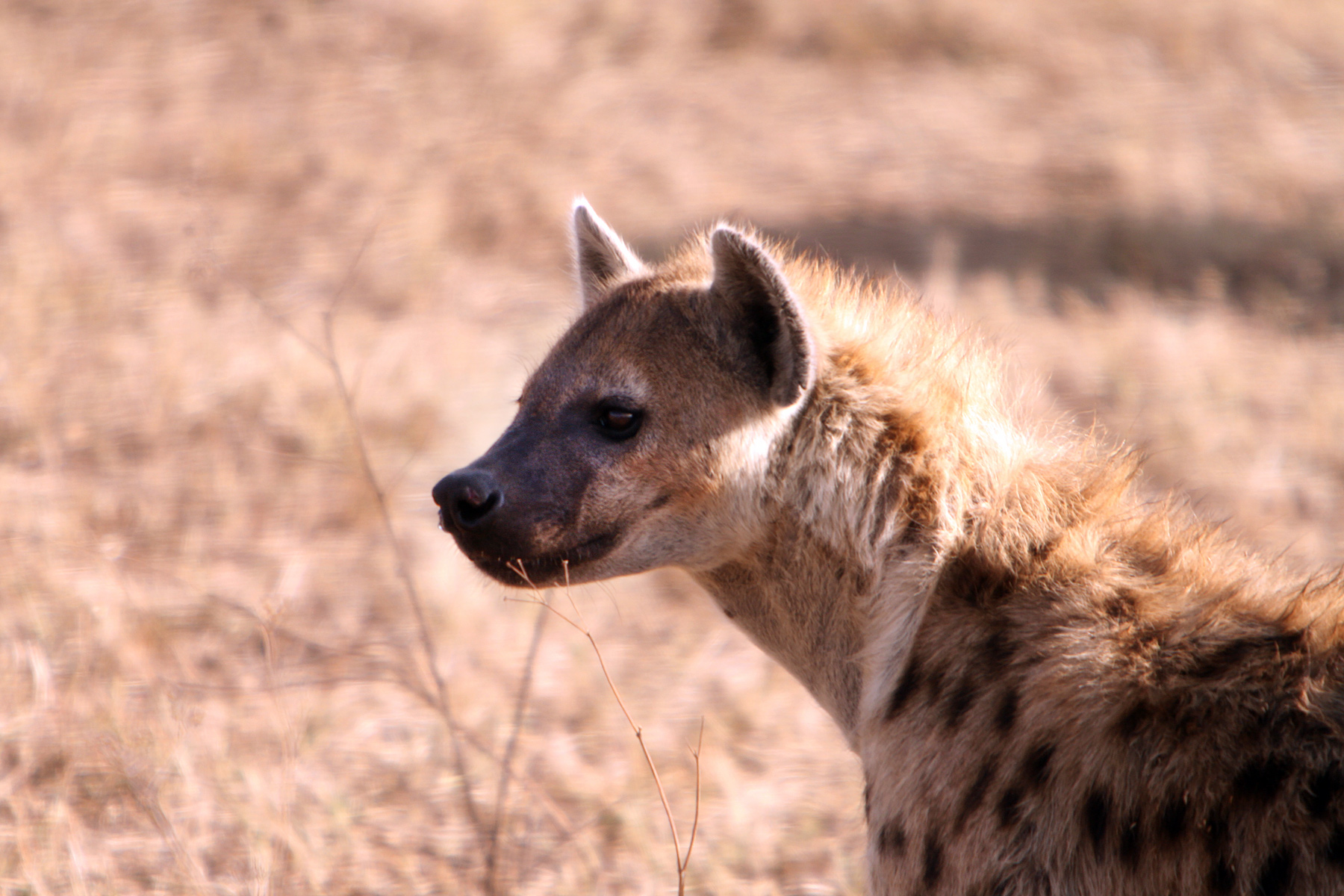
Internet and smartphone penetration in Nepal has created a breeding ground for online misinformation, with false wildlife sightings highlighting the growing challenge faced by authorities. A recent incident in eastern Nepal’s Rangeli municipality showcases the problem’s scope: when images allegedly showing spotted hyenas entering from the India-Nepal border went viral, they triggered immediate action from forest officials, only to be later identified as false.
“No one could confirm the sighting, and we later found the information to be false,” said district forest officer Utsav Thapa. The photos showed African spotted hyenas (Crocuta crocuta), a species not native to Nepal, underscoring how easily misinformation can spread without basic fact-checking.
Wildlife conservationists warn these incidents create lasting damage beyond momentary confusion. Gobinda Pokharel, a conservation officer at the National Trust for Nature Conservation Nepal, told Mongabay that such false reports negatively impact public perception of wildlife. “Such instances not only incite fear and confusion but also affect people’s perception of animals, their behavior and, eventually, their conservation,” Pokharel explained.
The rapid growth of digital connectivity has accelerated the problem. Nepal’s 2021 census revealed approximately 73% of households own smartphones, with internet access jumping from just 3% in 2011 to 38% in 2021. This digital transformation has created new pathways for misinformation to reach wider audiences faster than ever before.
Research from the Center for Media Research Nepal found nine out of ten social media users in the country encounter misinformation online, with Facebook identified as the primary platform where false content circulates. The problem isn’t limited to wildlife – during recent anti-government “Gen Z protests,” misinformation proliferated across both social and mainstream media, including misattributed foreign videos, exaggerated casualty claims, and false political statements.
The scale of the problem is reflected in official complaints. “There are over 130 complaints the council has received in the past five months regarding misinformation and disinformation content published on print and digital media,” said Deepak Khanal, spokesperson for the Press Council Nepal. The council is working to strengthen media monitoring while coordinating with government agencies on regulatory approaches.
Nepal’s response to digital misinformation remains divided between advocates for stricter regulation and those who prioritize media literacy. Ajay Bhadra Khanal, chief adviser to the interim government, recently acknowledged that simply imposing strict laws may be ineffective, citing the backlash against the previous government’s social media ban.
“Alongside policy-level interventions, we need media and information literacy that strengthens media through awareness and resources, establishes fact-checking cultures and ensures adequate investment,” argued Ujjwal Acharya, a researcher at the Center for Media Research Nepal.
Others believe more targeted legal mechanisms are necessary. Currently, misinformation cases are reported to the Cyber Bureau of the Nepal Police, which prioritizes criminal offenses, creating a regulatory gap for false information that doesn’t constitute immediate criminal harm. Section 47 of the Electronic Transactions Act provides some legal basis for action, but has drawn criticism for being used to restrict freedom of expression rather than combat misinformation effectively.
The challenge is compounded by advancing technology, particularly artificial intelligence. AI-generated wildlife images, like fake camera trap photos of tigers, can appear convincingly authentic while spreading misinformation that creates fear or potentially increases black market demand for rare species.
As Nepal navigates this complex landscape, experts emphasize that any solution must balance effective regulation with preserving freedom of expression. “In an age of cutting-edge technology, access to misinformation has become easier,” Acharya noted, “and we need stricter mechanisms that are just and democratic.”
Fact Checker
Verify the accuracy of this article using The Disinformation Commission analysis and real-time sources.

11 Comments
This is a concerning case of online misinformation. False reports of wildlife sightings can have real impacts on conservation efforts and public perceptions. Fact-checking and education are crucial to combat the spread of such misinformation.
Absolutely. Viral social media posts without verification can lead to unnecessary fear and confusion, as we’ve seen here. Responsible reporting and digital literacy are important to address this challenge.
The lasting impact of such false reports on public perception of wildlife is concerning. Conservationists are right to highlight how incidents like this can negatively affect attitudes toward animal behavior and conservation efforts. Addressing the root causes of online misinformation should be a key focus.
Agreed. Misinformation doesn’t just create temporary confusion – it can lead to long-term biases and misconceptions that are difficult to undo. A holistic approach targeting both information verification and public education is essential.
This is a prime example of how easily misinformation can spread online, even about something as seemingly straightforward as a wildlife sighting. The fact that the photos showed an African species not native to Nepal underscores the importance of verifying information before it goes viral.
This case illustrates how even seemingly innocuous misinformation, like false wildlife sightings, can have tangible consequences for conservation efforts and public attitudes. It’s a sobering reminder of the need for robust verification procedures and public awareness campaigns to combat the spread of online falsehoods.
Well said. Misinformation, even about seemingly harmless topics, can have far-reaching impacts that undermine important societal goals like wildlife conservation. Addressing this challenge requires a multifaceted approach from both authorities and the public.
The rapid growth of internet and smartphone usage in Nepal has created fertile ground for the spread of misinformation. This incident highlights the need for improved verification processes and public awareness campaigns on identifying false claims, especially around wildlife sightings.
Well said. Increased digital connectivity is a double-edged sword – it empowers information sharing but also enables the quick spread of falsehoods. Building resilience against misinformation should be a priority for authorities.
The viral spread of these false hyena sightings in Nepal is a troubling example of how online misinformation can quickly escalate, even about specific wildlife claims. Strengthening digital literacy and fact-checking efforts will be crucial to curbing the negative effects of such incidents in the future.
While the rapid digitalization of Nepal brings many benefits, it’s clear that authorities must also grapple with the growing challenge of online misinformation, especially around sensitive topics like wildlife. Improving fact-checking processes and media literacy initiatives could help curb the spread of false claims.