


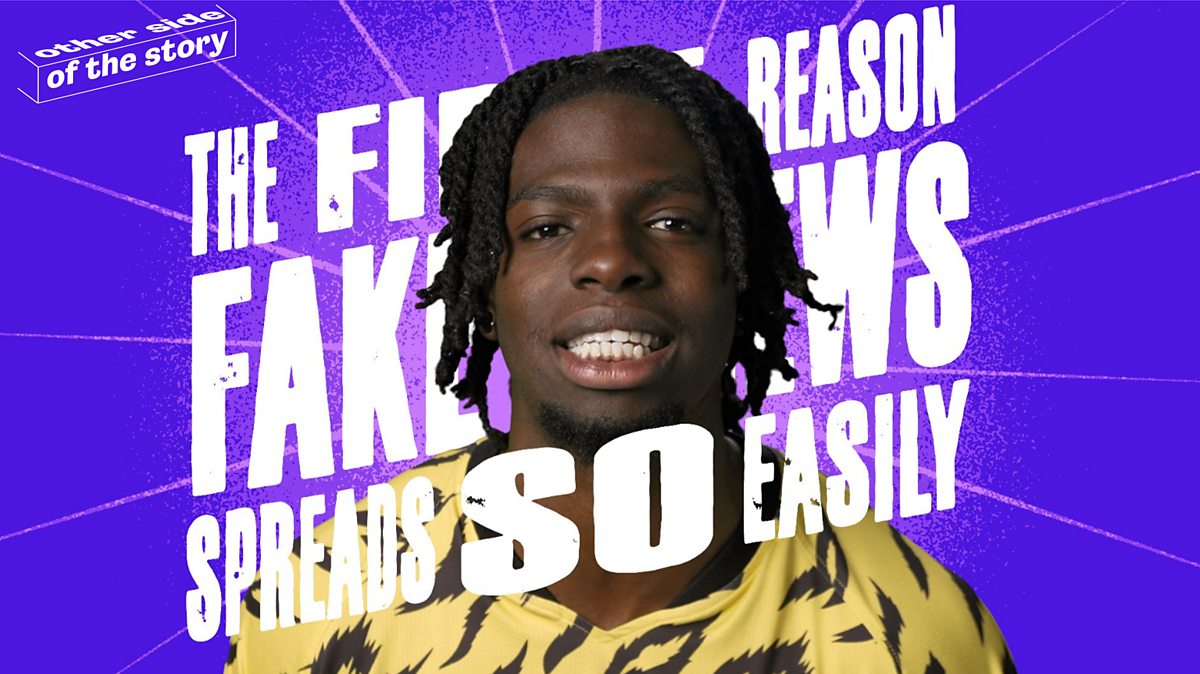
Listen to the article
In an age of viral social media posts and instant global communication, the challenge of separating fact from fiction has never seemed more pressing. But historians and media experts remind us that “fake news” is anything but new – it’s as old as human communication itself.
The 17th century had a particularly apt term for someone gullible enough to believe anything they heard: a “Gudgeon.” Named after a fish known to bite at virtually any bait, the term perfectly captures our collective vulnerability to misinformation, both then and now.
“The human tendency to spread unverified information has deep historical roots,” explains Dr. Sarah Montgomery, professor of information studies at Cambridge University. “What’s changed is not our basic psychology, but rather the speed and scale at which false narratives can spread.”
This psychological predisposition toward sharing information without verification manifests in everyday situations. Consider how quickly personal gossip travels through social networks – a rumor about a classmate’s relationship drama can circle an entire school before lunchtime, with few people questioning its source or veracity before passing it along.
Anthropologists point to storytelling as a fundamental human trait that binds communities together. “Humans are storytelling animals,” notes cultural anthropologist Richard Leakey. “Long before written language, oral traditions served to transmit cultural values, warnings, and social norms. Our brains are literally wired for narrative.”
What makes certain stories particularly effective at spreading? Research consistently shows that emotional content – especially that which triggers fear or outrage – generates the highest engagement. This phenomenon explains why alarming headlines receive more clicks and shares than nuanced reporting, regardless of accuracy.
The strategic deployment of false information as a political weapon also has ancient origins. When Octavian (later Emperor Augustus) sought to undermine his rival Mark Antony in ancient Rome, he launched what modern analysts would recognize as a sophisticated disinformation campaign. By circulating stories about Antony’s affair with Egyptian Queen Cleopatra and suggesting he had abandoned Roman values, Octavian swayed public opinion without the expense and risk of military confrontation.
This approach proved remarkably effective – Antony’s reputation never recovered, and Octavian’s rise to power demonstrated how strategic narrative control could be more decisive than battlefield victories.
Some misconceptions show remarkable persistence despite overwhelming evidence to the contrary. Aristotle demonstrated the Earth’s spherical shape over two millennia ago through observable evidence like ships disappearing hull-first over the horizon. Yet flat Earth theories continue to find audiences online, demonstrating how deeply entrenched false beliefs can become.
What has changed significantly in the modern era is the algorithmic amplification of content. Social media platforms utilize sophisticated algorithms that prioritize engagement, inadvertently creating what tech ethicist Tristan Harris calls “information environments that reward emotional triggering over accuracy.”
“These systems don’t distinguish between true and false information,” explains media analyst Jennifer Kavanagh. “They simply promote whatever generates clicks, shares, and comments – which often means sensationalized or misleading content rises to the top.”
The historical perspective offers both caution and comfort. While today’s information landscape presents unique challenges, humans have been navigating truth and falsehood for centuries.
Media literacy experts suggest applying time-tested critical thinking skills to modern platforms: questioning sources, seeking multiple perspectives, and being particularly skeptical of information that triggers strong emotional responses – especially fear.
As we navigate an increasingly complex information ecosystem, perhaps the most relevant advice comes from those 17th century observers who first identified “Gudgeons” in their midst: approach extraordinary claims with healthy skepticism, verify before sharing, and remember that the most shareable stories aren’t necessarily the most accurate ones.
Fact Checker
Verify the accuracy of this article using The Disinformation Commission analysis and real-time sources.

22 Comments
The insights about our innate human tendency to spread unverified information are sobering. It’s a good reminder that critical thinking and fact-checking are essential skills in the modern world.
Absolutely. With the speed of information sharing today, we have to be even more vigilant about not contributing to the spread of misinformation.
This is a well-researched and insightful look at the age-old problem of misinformation. The historical perspective is valuable, and the insights about our innate tendencies are concerning.
Interesting to learn about the historical context of ‘fake news’. It’s a sobering reminder that we’ve always been susceptible to misinformation, and the modern era has just amplified that tendency.
You’re right, the speed and scale of misinformation today is unprecedented. We have to be extra diligent about verifying claims before sharing them.
Excellent analysis of the long-standing challenge of separating fact from fiction. The historical context and analogies provided here are very enlightening.
This is a well-researched look at the age-old problem of false information. The comparison to personal gossip is a useful example of how quickly misinformation can spread, even in small communities.
Fascinating look at the long history of misinformation. Even centuries ago, people were susceptible to unverified claims. It’s a good reminder to always approach new information with a critical eye.
You’re right, the speed and scale of how false narratives can spread today is really alarming. Verifying facts before sharing is so important.
Fascinating to learn about the 17th century term ‘Gudgeon’ and how it relates to our modern vulnerability to misinformation. This article really drives home the importance of critical thinking and fact-checking.
You’re so right. With the ease of sharing information today, we have to be extra vigilant about not contributing to the spread of false narratives.
Fascinating look at the long history of ‘fake news’. It’s a good point that the underlying psychology hasn’t changed, but the tools for spreading misinformation have. We need to stay alert.
This article provides important historical perspective on the challenge of separating fact from fiction. The ‘Gudgeon’ analogy is a clever way to illustrate our vulnerability to unverified claims.
This is a well-researched and thought-provoking article. The historical perspective is valuable, and the insights about our innate tendencies to spread unverified information are concerning.
I agree, the speed and scale of misinformation today is really alarming. We all have to be more diligent about verifying claims before sharing them.
Fascinating to learn about the long history of ‘fake news’ and our innate human tendencies that contribute to its spread. This article is a valuable reminder to approach new information with a critical eye.
I appreciate the historical context provided here. It’s a good point that our basic human psychology hasn’t changed, but the modern tools for spreading misinformation have. We need to stay vigilant.
Absolutely. The ‘Gudgeon’ term is a great analogy for how easily people can be fooled by unsubstantiated claims, even today.
This is a thought-provoking and well-researched look at the age-old problem of misinformation. The historical perspective and insights about our psychology are really enlightening.
I agree, the ‘Gudgeon’ analogy is a clever way to illustrate our vulnerability to unverified claims. In today’s world, fact-checking is more important than ever.
Excellent article that provides important historical context on the challenge of separating truth from fiction. The ‘Gudgeon’ analogy is particularly apt and illustrative.
Absolutely. With the speed of information sharing today, we have to be even more vigilant about verifying claims before passing them along.