


Listen to the article
FACT CHECK: VIRAL TIGER ATTACK VIDEO CONFIRMED AS AI-GENERATED FOOTAGE
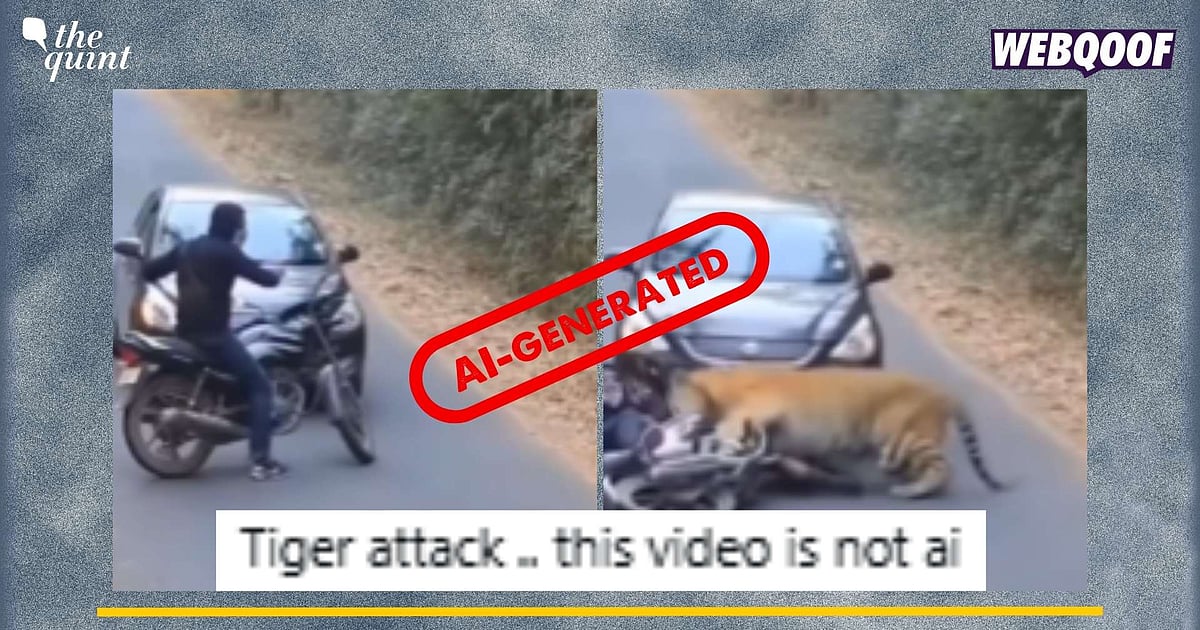
A video circulating widely on social media platforms purporting to show a tiger attacking a motorcyclist in India has been confirmed as artificial intelligence-generated content, following a comprehensive verification process by fact-checkers.
The dramatic footage, which has garnered thousands of shares across platforms including WhatsApp, Facebook, and Twitter in recent weeks, depicts what appears to be a tiger lunging at a person on a motorcycle on what looks like a rural Indian road. The video’s rapid spread prompted concern among communities near tiger reserves and wildlife sanctuaries across India, a country that hosts approximately 70 percent of the world’s wild tiger population.
Digital forensics experts began their investigation by conducting an extensive keyword search for recent tiger attacks in India, particularly focusing on incidents involving motorcyclists or vehicles. This search yielded no matching reports from credible news sources, wildlife authorities, or forest departments – the first indication that the viral content might be fabricated.
A closer technical examination of the video revealed several telltale signs of AI manipulation. The tiger’s body appears noticeably distorted in multiple frames, displaying the kind of inconsistent morphing commonly associated with AI-generated imagery. Wildlife biologists consulted during the verification process noted that the animal’s movement patterns do not align with typical tiger behavior when charging potential prey.
Additionally, investigators pointed out that the vehicle’s license plate remains conspicuously illegible throughout the footage, despite other details in the scene being relatively clear. This selective blurring is another common indicator of artificially created content, as AI programs often struggle to render consistent, realistic text in generated videos.
India’s National Tiger Conservation Authority (NTCA), which maintains detailed records of all human-tiger interactions across the country’s 53 tiger reserves, confirmed they had no documentation of any such incident occurring in the timeframe suggested by the video’s circulation.
The emergence of this fabricated content comes amid increasing concerns about the role of AI in spreading misinformation. Wildlife conservation experts have expressed particular worry about such videos potentially affecting public perception of tigers, especially in regions where human-wildlife conflict remains a sensitive issue.
“Misinformation of this nature can have serious consequences,” said Rajesh Gopal, former head of India’s Project Tiger. “It can unnecessarily heighten fear among communities living near tiger habitats and potentially undermine decades of conservation work aimed at fostering coexistence.”
Digital rights advocates have pointed to this incident as another example of the growing challenge of distinguishing between authentic and AI-generated content online. With the increasing sophistication of AI tools, detecting fabricated videos is becoming more difficult for average internet users.
Media literacy experts recommend that viewers exercise caution when encountering dramatic wildlife encounter videos, particularly those showing unusual or extreme behavior. Red flags include unnatural movements, visual distortions, and the absence of corroborating reports from established news sources or wildlife authorities.
This incident highlights the continuing need for robust fact-checking processes in the digital age, particularly for content that could influence public perception of wildlife conservation efforts or potentially affect tourism in regions dependent on wildlife reserves.
As AI technology continues to evolve, distinguishing fact from fiction in wildlife reporting will require increased vigilance from both content platforms and consumers of digital media.
Fact Checker
Verify the accuracy of this article using The Disinformation Commission analysis and real-time sources.

11 Comments
It’s a shame that people are creating fake videos like this, especially when they could cause real panic or concern. Fact-checking is crucial to stop the spread of misinformation, especially around sensitive topics like wildlife interactions.
Agreed, the proliferation of AI-generated content is a real challenge. We have to stay vigilant and rely on reputable sources to separate fact from fiction.
Interesting that this video turned out to be AI-generated. It’s good that fact-checkers were able to verify it and debunk the misinformation. We should always be cautious about unverified viral content, especially when it comes to sensitive topics like wildlife encounters.
Absolutely, verifying the authenticity of viral videos is so important these days. Good to see the fact-checkers doing their due diligence on this one.
While it’s disappointing that this video turned out to be fabricated, I’m glad the fact-checkers were able to identify it as AI-generated content. Verifying the authenticity of viral videos is so important, especially when they could potentially cause alarm or concern.
Agreed, the rise of AI-generated content is a real challenge that requires vigilant fact-checking. We have to be very cautious about what we share, especially on sensitive topics.
This is a good example of why we need robust fact-checking processes to verify the authenticity of viral content, especially when it comes to sensitive topics like human-wildlife interactions. Kudos to the fact-checkers for their diligence.
Absolutely, the spread of misinformation, even unintentional, can have real consequences. Fact-checking is crucial to uphold public trust and prevent unnecessary panic.
This is a good reminder of the importance of critical thinking and fact-checking when it comes to viral content, especially around sensitive topics like human-wildlife interactions. Kudos to the fact-checkers for their diligence in debunking this AI-generated video.
While it’s troubling that this video was fabricated, I’m glad the fact-checkers were able to identify it as AI-generated. Maintaining trust in online content is so important, especially for issues related to public safety and wildlife conservation.
It’s concerning to see AI-generated content being used to spread misinformation, even if it’s just for entertainment. Fact-checkers play a vital role in maintaining the integrity of online information, especially around issues that could impact public safety or wildlife conservation.