


Listen to the article
Misattributed Gaza Bombing Image Used to Spread False Claims About Afghanistan-Pakistan Tensions
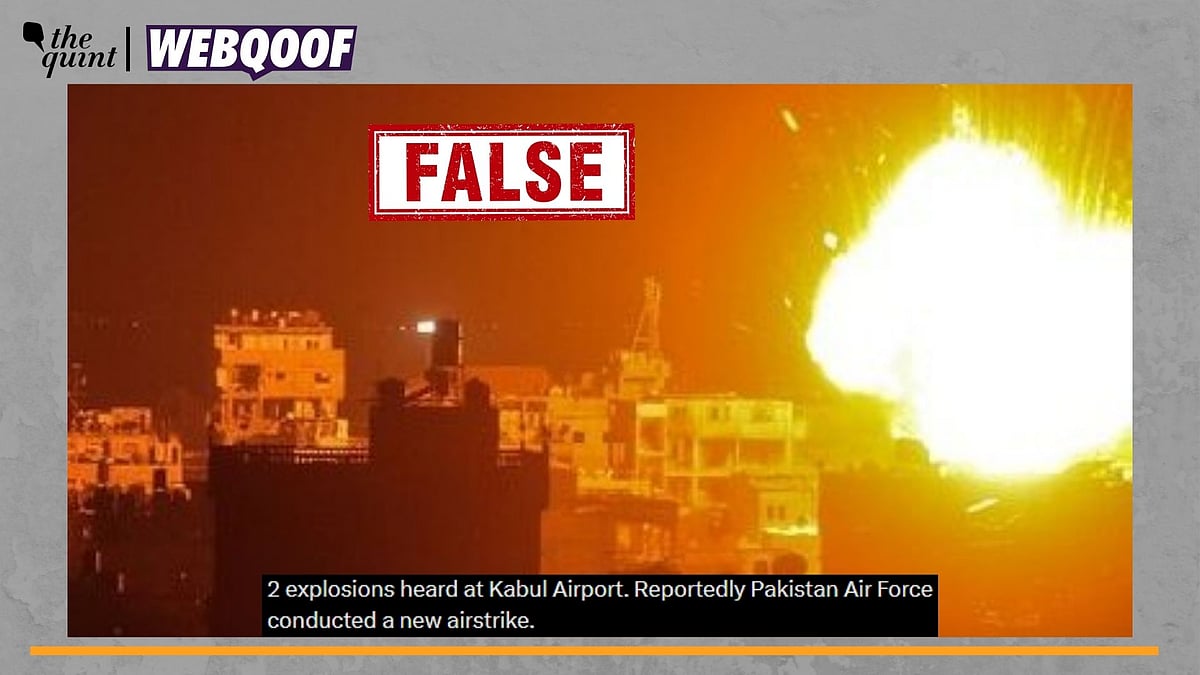
A widely circulated image purportedly showing recent hostilities between Afghanistan and Pakistan has been verified as misleading. Fact-checking efforts reveal the photograph actually depicts Israeli bombardment in Gaza from March 2024, highlighting growing concerns about the spread of misinformation during international conflicts.
Using the Google Chrome extension ‘InVID WeVerify,’ digital researchers conducted a reverse image search that traced the original photograph to legitimate news sources. The image, showing a dramatic fireball eruption, was published by Arab News on March 29, 2024, in coverage about U.S. authorization of military equipment transfers to Israel.
The Arab News report featured the image with a caption clearly identifying it as “A fireball erupts during Israeli bombardment on Rafah, in the southern Gaza Strip, on Mar. 26, 2024,” with attribution to AFP news agency. This definitively places the image in Gaza rather than along the Afghanistan-Pakistan border.
Further verification from Al-Monitor’s website confirmed the photograph’s origins, where it accompanied reporting on Israel’s intense bombardment operations in southern Gaza during late March. These consistent source attributions establish the image’s correct context beyond reasonable doubt.
The misattribution comes amid heightened tensions between Afghanistan and Pakistan, creating fertile ground for misinformation. Recent border skirmishes between the two nations have raised concerns about regional stability, making the public particularly susceptible to misleading visual content that appears to document escalation.
This incident reflects a troubling pattern of repurposed conflict imagery on social media platforms. During times of geopolitical tension, images from entirely different conflicts are frequently recycled and presented as current events, contributing to misunderstandings about developing situations.
Media literacy experts note that dramatic visuals of explosions and military actions are particularly prone to being taken out of context, as they generate strong emotional responses and tend to be shared widely without verification. The practice undermines accurate public understanding of complex international situations and can potentially inflame tensions.
The Gaza conflict itself has been the subject of intense international attention since October 2023, with Israel’s military operations in Rafah being particularly controversial. The image in question was taken during a period when international pressure was mounting on Israel regarding civilian casualties in Gaza, coinciding with deliberations about U.S. military aid packages.
Fact-checking initiatives like WebQoof play a crucial role in combating visual misinformation by tracing images to their original sources and establishing correct chronology and context. Digital verification tools such as InVID WeVerify represent important resources for journalists and concerned citizens alike in navigating an increasingly complex information landscape.
Social media platforms have implemented various measures to combat misinformation, including labeling systems and reduced algorithmic promotion of disputed content. However, the speed at which misleading visual content spreads often outpaces these safeguards, particularly during breaking news events.
Media consumers are encouraged to approach dramatic conflict imagery with healthy skepticism, especially when encountered on social media without clear sourcing or context. Consulting multiple reliable news sources and using reverse image search tools can help verify the authenticity and context of such content before sharing.
As international conflicts continue to generate intense public interest, the importance of visual information literacy will only grow, along with the need for robust fact-checking resources to counter the spread of misleading content across digital platforms.
Fact Checker
Verify the accuracy of this article using The Disinformation Commission analysis and real-time sources.

16 Comments
I’m impressed by the fact-checkers’ ability to quickly trace this image back to its actual source in Gaza. It’s a good reminder that we should always be skeptical of unverified social media posts, even if they seem plausible at first glance.
Absolutely. Reverse image search and cross-referencing with credible news sources are powerful tools in the fight against misinformation. This case shows how important it is to verify information before sharing it online.
Wow, this is a really concerning case of misinformation spreading during a tense geopolitical situation. It’s crucial that we verify the sources and context of images before sharing them, to avoid fueling further tensions or spreading false claims.
Absolutely, fact-checking is so important, especially for sensitive international issues. I’m glad the researchers were able to trace this image back to its actual origin in Gaza.
This is a concerning example of how misinformation can be weaponized to inflame tensions between nations. I commend the fact-checkers for their diligent work in tracing the origins of this misleading image and setting the record straight.
Agreed. Fact-checking is crucial, especially in the age of social media where false narratives can spread like wildfire. Kudos to the team for their thorough investigation and debunking of this claim.
This is a clear example of how misinformation can be used to escalate tensions and spread false narratives during conflicts. I’m glad the fact-checkers were able to trace the origins of this image and debunk the false claims.
Agreed. It’s crucial that we all remain vigilant and fact-check information, especially when it comes to sensitive geopolitical issues. Kudos to the team for their diligence in setting the record straight.
This is a prime example of how quickly misinformation can spread, especially during times of geopolitical tension. It’s crucial that we all take the time to verify the accuracy of information before sharing it online.
Definitely. The researchers’ use of reverse image search and cross-referencing with credible news sources was a smart approach to tracing the true origins of this misleading photo.
I’m glad the fact-checkers were able to pinpoint the real source of this image. It’s a good lesson in the importance of critical thinking and not blindly accepting everything we see on social media, especially when it comes to sensitive international issues.
Absolutely. Spreading unverified information, even if unintentionally, can have real consequences. This case highlights the need for increased digital literacy and media verification skills.
I appreciate the thorough investigation by the fact-checkers in this case. Verifying the sources and context of images is so important, especially when they’re being used to spread misinformation during tense international situations.
Absolutely. The ability to manipulate and misattribute images is a major challenge, but the researchers’ use of tools like reverse image search is a great way to combat it. This is a valuable lesson in the need for digital literacy.
I appreciate the diligence of the fact-checkers in this case. It’s a good reminder that we should always be skeptical of unverified social media posts, even if they seem plausible at first glance.
Agreed. The ability to manipulate and misattribute images is a major challenge these days. Kudos to the team for setting the record straight on the origin of this explosion.