


Listen to the article
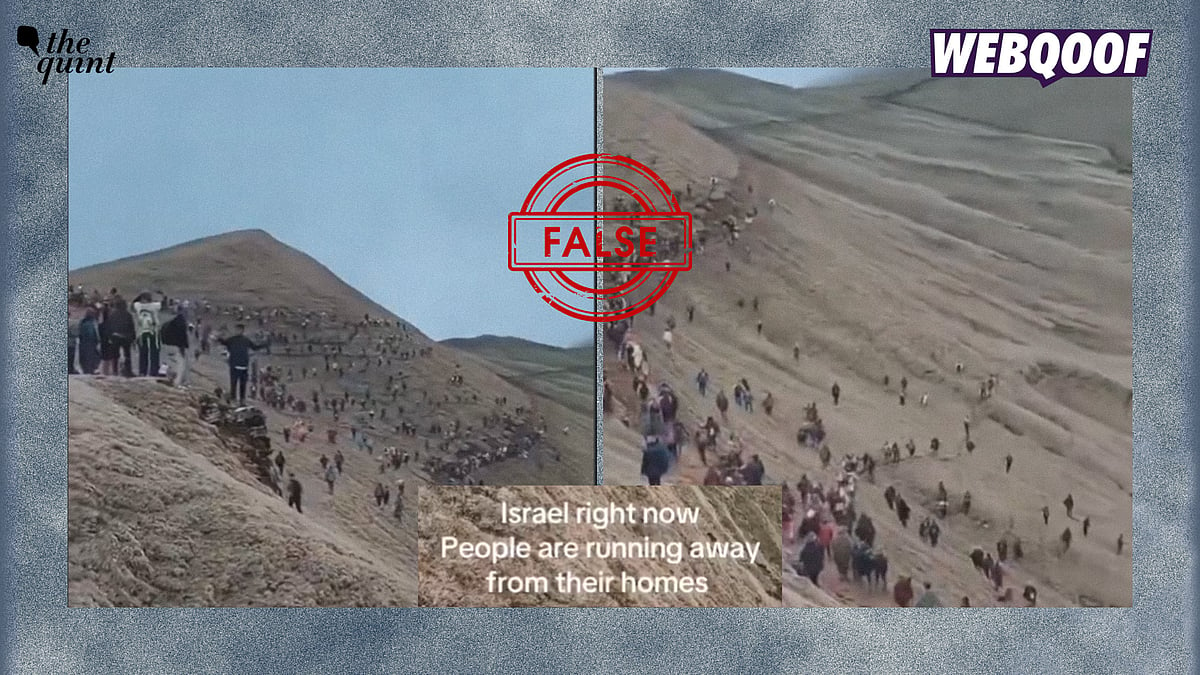
The video, which has gained significant traction across social media platforms in recent days, purportedly shows Israeli citizens fleeing their homes en masse. The 20-second clip depicts hundreds of people descending mountain slopes, with many viewers and commentators suggesting it represents a mass exodus from Israel amid ongoing regional tensions.
However, fact-checking efforts have conclusively determined that the footage has been misattributed and taken out of context. The video actually shows residents in Nepal traversing alpine meadows during the country’s traditional harvest season, a practice deeply rooted in local agricultural traditions.
The misrepresentation comes at a particularly sensitive time, as tensions in the Middle East continue to dominate international headlines. False narratives about civilian displacement can potentially inflame already complex geopolitical situations and contribute to misinformation regarding the humanitarian situation in conflict zones.
This instance of misinformation follows a pattern of decontextualized videos being repurposed to support various political narratives surrounding the Israel-Palestine conflict. Social media platforms have struggled to contain the spread of such misleading content, which can rapidly reach millions of viewers before verification processes catch up.
Nepal’s alpine regions, featured in the original footage, are home to various indigenous communities who rely on seasonal migration patterns for agricultural sustainability. During harvest seasons, it’s common to see large groups traveling through mountainous terrain as part of their traditional farming practices.
Digital forensics experts note that the video’s environmental features—including distinctive Himalayan vegetation and traditional Nepalese clothing visible on some individuals—clearly indicate the footage’s true origin. The topography shown in the video is consistent with Nepal’s mid-hill regions rather than Israeli landscapes.
Media literacy advocates point out that this case highlights the importance of critically evaluating visual content before sharing it, especially during periods of international conflict when emotions run high. The rapid spread of the misattributed video demonstrates how easily visual content can be repurposed to fit particular political narratives.
Several social media platforms have now flagged the video as containing false information, though archived versions continue to circulate. The original posts collectively garnered hundreds of thousands of views and thousands of shares before fact-checkers could intervene effectively.
The incident also underscores the challenges faced by content moderation teams, who must quickly identify and address misleading information in multiple languages across global platforms. Recent studies indicate that visual misinformation typically spreads up to six times faster than text-based false claims, making video verification particularly crucial.
Experts in digital media ethics recommend that viewers exercise caution when encountering emotionally charged footage, particularly during active conflicts. Simple verification steps include checking whether trusted news sources have reported on the same footage, looking for geographical inconsistencies, and being wary of videos that lack specific attribution or context.
This case represents just one example in a broader pattern of conflict-related misinformation that has intensified as the Middle East situation has developed. Fact-checking organizations worldwide have reported a significant increase in manipulated or misattributed videos purporting to show various aspects of regional conflicts.
As digital literacy initiatives continue to expand globally, media consumers are increasingly encouraged to approach viral content with healthy skepticism and to verify information through multiple reliable sources before accepting claims at face value—particularly when those claims align with preexisting beliefs or biases about complex international situations.
Fact Checker
Verify the accuracy of this article using The Disinformation Commission analysis and real-time sources.

10 Comments
It’s really troubling to see how easily videos can be taken out of context and used to support particular political agendas. Fact-checking is essential to maintain accurate reporting and prevent the spread of harmful misinformation.
I agree, the ability to manipulate visual media is a growing concern. Rigorous verification processes are critical to uphold journalistic integrity and protect the public from being misled.
Kudos to the fact-checkers for their diligence in tracing the origins of this video. Maintaining accuracy and context is crucial, especially when dealing with sensitive geopolitical issues that can be easily misconstrued.
This is a sobering example of how misinformation can spread quickly online, even when the original sources are readily available. Fact-checking is essential to upholding journalistic integrity and preventing the escalation of complex geopolitical situations.
This is a good example of why we should be cautious about immediately accepting the face value of online content. Taking the time to corroborate sources and context is essential to avoid perpetuating misinformation, even inadvertently.
It’s disappointing to see how easily footage can be misrepresented and used to push certain narratives. I’m glad the true nature of this video has been clarified, as it’s a good reminder to always verify information before sharing or drawing conclusions.
This is a good reminder to be cautious about videos and claims that circulate online, even if they seem compelling. Verifying the context and source is crucial to avoid perpetuating false narratives. Kudos to the fact-checkers for setting the record straight.
Absolutely, we need to be vigilant about cross-checking information, especially when it relates to sensitive topics. Spreading misinformation, even inadvertently, can have serious consequences.
It’s concerning to see footage being misrepresented in this way. Fact-checking is so important to avoid stoking tensions and spreading misinformation, especially around complex geopolitical issues. I appreciate the diligence in tracing the origins of this video.
While it’s understandable that people may want to draw connections between news events, making assumptions without verifying the facts can be counterproductive. I’m glad the true origins of this video have been brought to light.