


Listen to the article
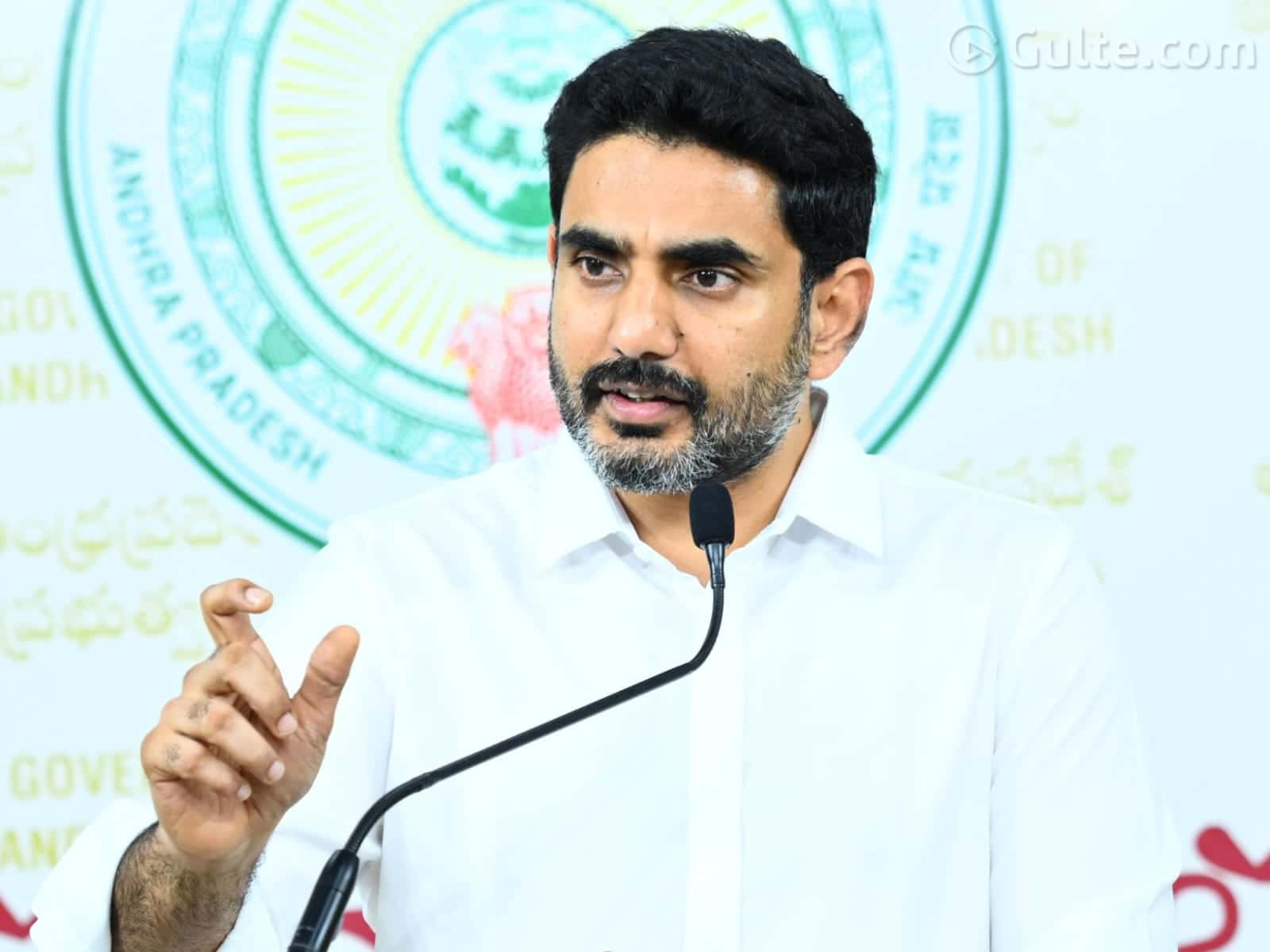
In a significant development, the Right to Information (RTI) organization has issued a clarification that directly contradicts claims made by Sakshi media against Andhra Pradesh Minister Nara Lokesh regarding his alleged misuse of government funds for travel expenses.
According to the RTI findings, Lokesh, who serves as the Minister for Education and Information Technology in the National Democratic Alliance (NDA) government, did not utilize any public funds for the 77 trips he has undertaken since assuming office. The clarification confirms that Lokesh has been financing all his travel and accommodation expenses entirely from his personal resources.
This revelation comes in response to recent reports by Sakshi media that accused the minister of “recklessly using government money” for numerous trips and staying “lavishly” in Hyderabad. The media outlet had specifically claimed that Lokesh had been using special aircraft for these journeys at taxpayers’ expense.
The RTI application, filed by an activist, sought information regarding expenditures from the Human Resources, IT, Electronics, and RTG departments—all portfolios managed by Lokesh. The response categorically stated that not a single rupee from any of these government departments had been allocated or spent on the minister’s travel arrangements.
This is not the first confrontation between the minister and Sakshi media, which is widely known to have connections to the opposition YSR Congress Party in Andhra Pradesh. Lokesh has previously filed multiple defamation cases against the media organization for what he describes as deliberately misleading and harmful reporting aimed at damaging his reputation.
Political analysts in the region note that such media confrontations have become increasingly common in Andhra Pradesh’s polarized political landscape. The NDA government, led by the Telugu Desam Party (TDP) in alliance with other partners, has faced persistent criticism from media outlets associated with the opposition.
“This pattern of allegations followed by contradictory evidence has been a recurring theme in Andhra Pradesh politics,” said Dr. Ramesh Kumar, a political commentator based in Vijayawada. “What’s concerning is how media organizations sometimes appear to operate as extensions of political parties rather than as independent information sources.”
The IT and Education ministries hold significant importance in Andhra Pradesh’s development agenda. The state has been positioning itself as an emerging technology hub, with initiatives aimed at attracting investments in the IT sector and improving educational infrastructure. Lokesh, as the minister overseeing these crucial portfolios, has been actively engaged in discussions with potential investors and educational institutions, necessitating frequent travel.
Despite the RTI clarification, Sakshi media has not issued any retraction or correction to its earlier reports. This has prompted renewed criticism from government supporters who accuse certain media outlets of deliberately spreading misinformation.
The ongoing legal battles between Lokesh and Sakshi highlight the increasingly contentious relationship between politicians and media in the state. Legal experts suggest that defamation cases in political contexts often face prolonged judicial processes, making immediate resolution unlikely.
Meanwhile, Lokesh continues to carry out his ministerial responsibilities, focusing on technology initiatives and educational reforms in the state. Government sources indicate that the minister remains committed to transparency in his functioning and has instructed his departments to promptly respond to all information requests under the RTI Act.
The controversy underscores the importance of fact-checking and verification in political reporting, especially in regions where media organizations have clear political affiliations and where public perception can be significantly influenced by news coverage.
Fact Checker
Verify the accuracy of this article using The Disinformation Commission analysis and real-time sources.

12 Comments
It’s good to see the RTI findings provide a clear rebuttal to the media’s claims. Maintaining integrity in the use of public funds is crucial for good governance.
Well said. Transparency and accountability should be the norm for all government officials, regardless of their position or party affiliation.
This case underscores the importance of robust RTI processes to ensure transparency and fact-checking in matters of public interest.
Absolutely. RTI is a powerful tool for citizens to hold their government accountable.
This case highlights the need for careful scrutiny of media reports, especially when they make serious allegations. The RTI findings provide important context.
You’re right. Jumping to conclusions without verifying facts can lead to misinformation and erode public confidence.
Glad to see the minister is financing his travel from personal resources rather than using taxpayer money. Transparency is crucial for public trust in government.
Absolutely. It’s refreshing when public officials demonstrate responsible use of funds.
The minister’s personal financing of his travel expenses is commendable. Taxpayer money should be used judiciously, and this helps build trust in the government.
Agreed. It’s reassuring to see government officials held accountable and transparent about their use of public resources.
Interesting to see the RTI findings contradict the media’s claims. It’s good to have transparency around the use of public funds, even for government officials’ travel expenses.
Agreed. Fact-checking is important to ensure accountability, rather than relying on unsubstantiated accusations.