


Listen to the article
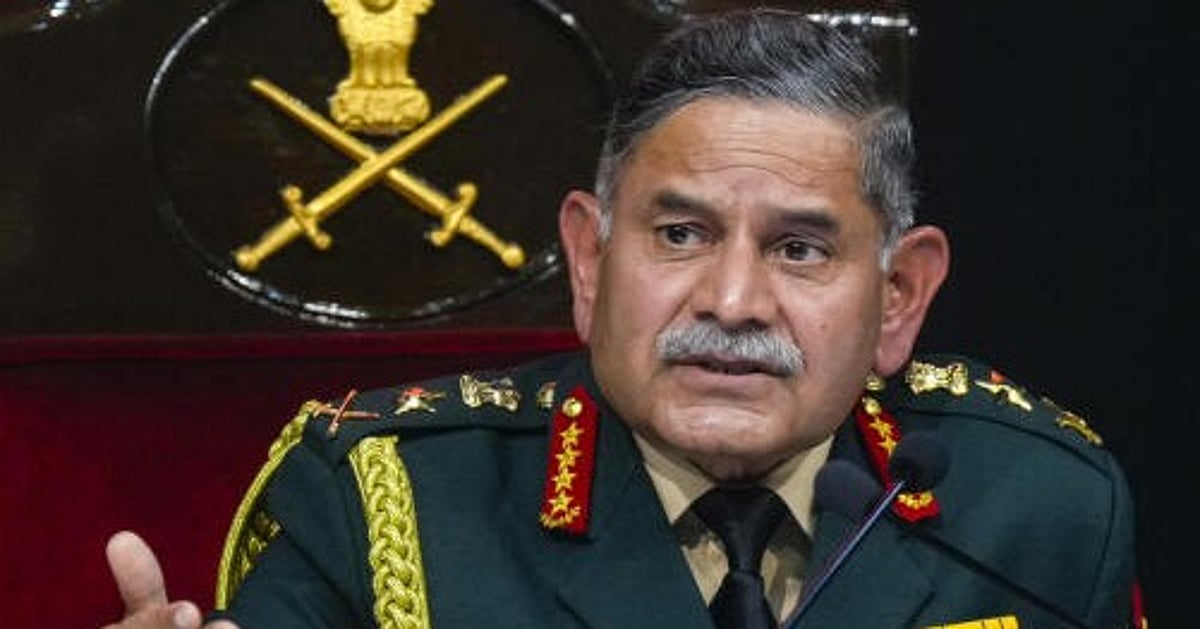
Pakistan-based propaganda accounts are circulating a deepfake video of Indian Army Chief General Upendra Dwivedi, according to an alert issued by India’s Press Information Bureau (PIB) Fact Check unit on Monday.
The manipulated video falsely portrays General Dwivedi claiming that India had an obligation to provide intelligence to Israel regarding an Iranian vessel traversing international waters. The PIB Fact Check unit promptly identified the video as digitally altered and issued a warning on its official social media channels.
“Pakistani propaganda accounts are sharing a digitally manipulated video of the Indian Army Chief General Upendra Dwivedi, making false claims,” the PIB Fact Check unit stated in its post. The unit categorically labeled the content as a “Deepfake Video Alert” to warn citizens against believing or sharing the misleading content.
This incident comes amid rising tensions between India and Pakistan, with disinformation campaigns becoming increasingly sophisticated through the use of artificial intelligence technology. Deepfakes—highly convincing manipulated videos created using AI—have emerged as a significant national security concern for governments worldwide.
Security analysts point to this case as part of a broader pattern of information warfare between the two nuclear-armed neighbors. Dr. Sameer Patil, a security expert at the Gateway House think tank in Mumbai, noted that “deepfakes represent a dangerous evolution in cross-border propaganda tactics, particularly when they involve high-ranking military officials.”
The timing of the fabricated video is particularly sensitive, as it attempts to implicate India in Middle Eastern geopolitics by suggesting coordination between India and Israel regarding Iranian vessels. India has traditionally maintained balanced diplomatic relations with both Iran and Israel, carefully navigating complex regional dynamics.
The Ministry of Defence issued a separate statement calling the video “a malicious attempt to create discord and mislead the public about India’s foreign policy stance.” The statement emphasized that General Dwivedi never made such remarks and that the video was created using artificial intelligence to manipulate his image and voice.
Cybersecurity experts have pointed to the increasing sophistication of deepfake technology as a growing threat to national security and public trust in information. Rakshit Tandon, a cybersecurity consultant who advises various government agencies, explained that “the technology to create convincing deepfakes has become more accessible, making it harder for ordinary citizens to distinguish between authentic and manipulated content.”
The Indian government has been working to enhance its capabilities to detect and counter such disinformation. The PIB Fact Check unit was established specifically to verify news related to government departments and debunk false information circulating on social media platforms.
This incident highlights the broader challenge facing democracies worldwide as they grapple with the implications of AI-generated content in political discourse. Several countries, including India, are considering regulatory frameworks to address deepfakes and other forms of synthetic media.
Digital rights activists have called for a balanced approach that combats harmful disinformation while preserving freedom of expression. “While it’s crucial to counter dangerous falsehoods, any regulatory response must be carefully calibrated to avoid overreach,” said Apar Gupta, a digital rights advocate.
The Indian Army has urged citizens to rely only on official channels for information regarding military matters and to exercise caution when consuming content on social media. Officials have encouraged the public to verify information through multiple reliable sources before accepting or sharing it.
As elections approach in several states, authorities have expressed concern that deepfakes could be deployed to influence public opinion or create communal discord. The Election Commission has already issued guidelines to political parties regarding the use of artificial intelligence in campaign materials.
The incident underscores the evolving nature of information warfare in the digital age, where perception management through sophisticated technology has become as important as traditional security measures in safeguarding national interests.
Fact Checker
Verify the accuracy of this article using The Disinformation Commission analysis and real-time sources.

20 Comments
This deepfake video is a concerning example of how propaganda can leverage advanced technology to spread disinformation. It’s critical for the public to be vigilant and verify information from trusted sources.
Absolutely. Deepfakes pose a real threat to national security and public trust. The authorities must stay ahead of these evolving tactics to combat the spread of false narratives.
While the deepfake video was quickly identified as manipulated, the speed at which such content can spread online is concerning. Vigilance and critical thinking are essential to avoid falling victim to disinformation campaigns.
Agreed. We must remain vigilant and rely on trusted, reputable sources to verify information, especially when it comes to sensitive geopolitical issues.
Deepfake technology is becoming increasingly sophisticated, making it harder to detect manipulated content. This incident highlights the need for robust fact-checking and media literacy efforts to combat such malicious campaigns.
You’re right. Governments and tech companies need to work together to develop more effective detection tools and public awareness initiatives to stay ahead of these evolving threats.
Deepfakes are becoming an increasingly serious concern for national security and public discourse. Robust fact-checking and media literacy efforts are essential to combat the spread of such sophisticated misinformation.
I agree. The proliferation of deepfakes poses a significant challenge, and a multifaceted approach involving technology, policy, and public education is necessary to address this threat.
The use of deepfakes to spread disinformation and sow discord between nations is a worrying trend. Strengthening digital literacy and verification tools should be a top priority for governments and tech companies.
Absolutely. This incident highlights the urgent need for more effective detection and mitigation strategies to combat the malicious use of AI-powered manipulation of media content.
This deepfake video is a prime example of how disinformation campaigns can exploit emerging technologies to sow discord and undermine trust. Strengthening digital literacy and verification tools should be a top priority.
Well said. The public must remain vigilant and rely on authoritative sources to avoid falling for manipulated content that aims to distort reality.
The rapid proliferation of deepfakes is a significant challenge for governments and tech platforms. Strengthening detection capabilities and public awareness campaigns are essential to combat the malicious use of this technology.
Exactly. This incident underscores the need for a comprehensive, multi-stakeholder approach to address the national security and societal risks posed by deepfakes and other forms of AI-driven disinformation.
This deepfake video is a concerning example of how advanced technologies can be weaponized to spread false narratives and undermine public trust. Robust fact-checking and media literacy initiatives are crucial to protect against such threats.
Well said. Governments and tech companies must work together to stay ahead of these evolving tactics and empower the public to identify and resist the spread of manipulated content.
This deepfake video is a stark reminder of the threats posed by the malicious use of emerging technologies. Robust fact-checking, media literacy, and technological solutions are crucial to protect the integrity of information and public discourse.
Well said. Addressing the challenge of deepfakes requires a concerted effort from governments, tech companies, and the public to stay ahead of these evolving tactics and safeguard the truth.
The use of deepfakes to distort the truth and stoke tensions between nations is a worrying trend. Fact-checking and media literacy initiatives are crucial to empower the public to discern truth from fiction.
Absolutely. Governments and tech companies need to work together to stay ahead of these rapidly evolving threats and safeguard public discourse.