


Listen to the article
Minnesota Fraud Investigations Mount, with Millions in Public Funds Lost
WASHINGTON — Minnesota has emerged as a focal point for sweeping fraud investigations across multiple public assistance programs, with confirmed losses already exceeding $250 million and investigations continuing to expand. The fraud cases span pandemic-era food programs, Medicaid services, and childcare subsidies, prompting state officials to implement reforms while federal prosecutors pursue charges.
The most extensive scheme uncovered thus far involves the “Feeding Our Future” program, where fraudsters diverted more than $250 million in COVID-19 emergency food aid meant for children during the pandemic. According to the U.S. Department of Justice, conspirators created shell companies that claimed to serve meals to thousands of children who didn’t exist or never received food, then laundered the proceeds through numerous accounts.
In a separate case, federal prosecutors have charged individuals in an $11 million Medicaid fraud operation where providers allegedly billed for personal care services never delivered to recipients. Additional investigations into childcare subsidy fraud remain active, though authorities have not yet publicly quantified those potential losses.
Some Minnesota officials have suggested the combined fraud exposure across all programs could eventually reach into the billions, though financial experts caution these figures represent worst-case estimates rather than confirmed losses.
“What we’re seeing in Minnesota represents a systematic targeting of public assistance programs,” said former federal prosecutor Martin Sheil, who specializes in financial crimes. “The scale is concerning not just for the financial impact but for how it undermines public trust in essential safety net programs.”
The legal consequences for those involved continue to mount. In the Feeding Our Future investigation alone, approximately 79 people have faced criminal charges. Court records show about 65 individuals have been convicted either through trial or guilty pleas. Sentencing proceedings remain ongoing, with penalties ranging from prison terms to reduced sentences for those who cooperated with authorities.
The Medicaid fraud prosecutions remain in earlier stages of the legal process, with preliminary hearings scheduled for coming months.
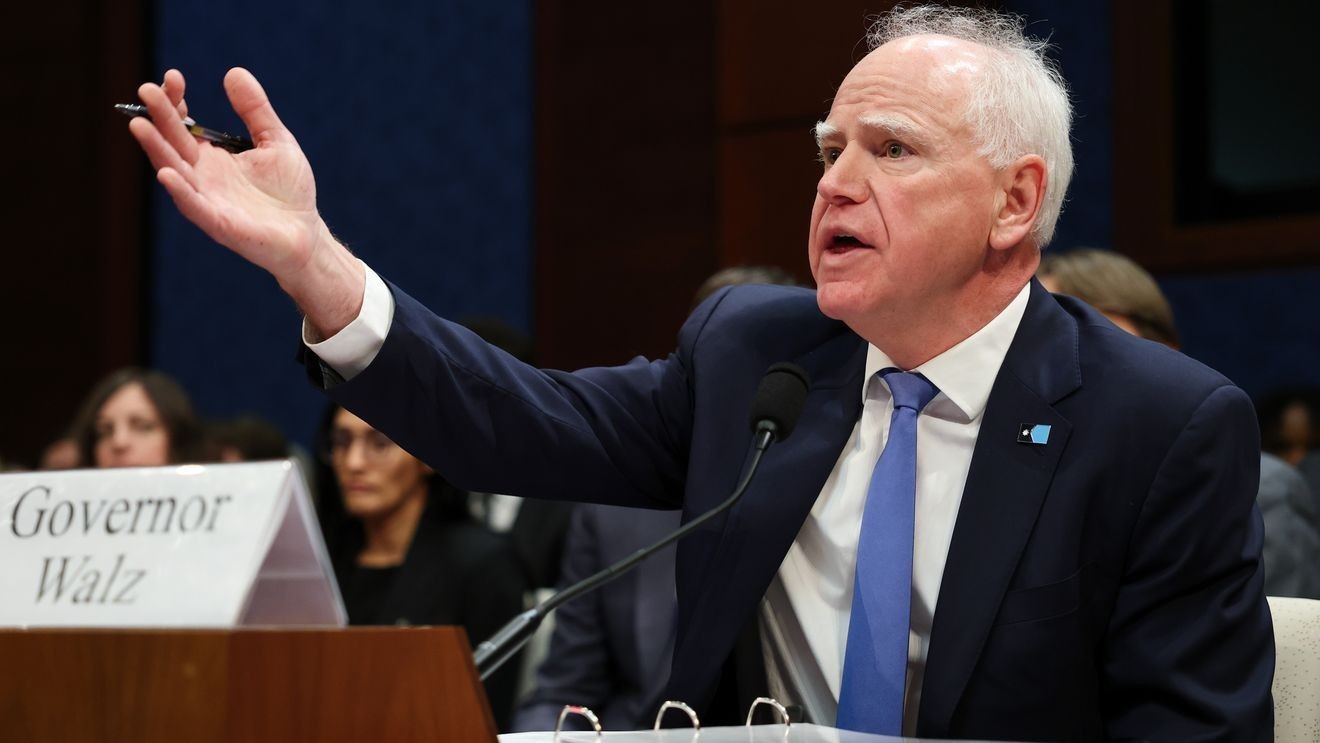
Governor Tim Walz and the state legislature have responded to the scandals with institutional reforms aimed at preventing future fraud. These measures include establishing a new Office of Inspector General with expanded oversight capabilities, implementing stricter vetting requirements for organizations receiving public funds, and creating mechanisms for state agencies to temporarily pause payments when suspicious activity is detected.
“We’ve taken significant steps to close the gaps that allowed these schemes to flourish,” said Minnesota Department of Human Services Commissioner Jodi Harpstead in a recent statement. “Taxpayers deserve to know their money is being used as intended—to help vulnerable Minnesotans.”
Despite these actions, some state lawmakers argue the reforms don’t provide sufficient safeguards. Republican legislators have pushed for additional enforcement tools, including expanded auditing capacity and harsher penalties for program violations.
Minnesota’s fraud cases, while substantial, reflect a nationwide pattern of public benefits exploitation. Federal officials recently announced that a 2025 healthcare fraud enforcement initiative uncovered $14.6 billion in fraudulent schemes across the country. Similar large-scale fraud cases have emerged in other states involving Medicare, COVID-relief programs, and tax fraud.
The Minnesota cases have drawn particular attention because of their concentration in a single state and the brazenness of the schemes. In the Feeding Our Future case, prosecutors allege conspirators claimed to serve unrealistic numbers of meals—in some instances more than the total population of children in entire communities.
The ongoing investigations serve as a stark reminder of the vulnerabilities in public assistance programs, particularly during crisis periods when oversight may be relaxed to expedite aid delivery. Financial watchdogs note that the pandemic created perfect conditions for fraud: expanded benefits, reduced verification requirements, and overwhelming demand that strained administrative capacity.
As prosecutions continue and reforms take shape, Minnesota’s experience offers cautionary lessons for other states working to balance program accessibility with sufficient safeguards to protect public funds.
Fact Checker
Verify the accuracy of this article using The Disinformation Commission analysis and real-time sources.

9 Comments
While the details of these fraud cases are disturbing, I’m encouraged to see the authorities taking strong action to investigate and prosecute the perpetrators. Protecting the integrity of public assistance programs is vital for ensuring resources reach those who truly need them.
This is a troubling report on the scale of fraud uncovered in Minnesota’s public assistance programs. It’s disheartening to see millions meant for vulnerable children and families being stolen by unscrupulous individuals. Hopefully the reforms and prosecutions will help deter future abuse.
The level of fraud uncovered in Minnesota’s public aid programs is deeply concerning. Stealing money intended to help feed children and provide essential services is a reprehensible abuse of the public trust. I hope the ongoing investigations lead to meaningful reforms and justice for those affected.
Agreed. These kinds of schemes erode public confidence in government and deprive vulnerable populations of critical support. Rigorous oversight and severe penalties for offenders are necessary to deter future fraud and safeguard the programs.
Fraud in government aid programs is a serious issue that erodes public trust and diverts resources away from those in need. I’m glad the authorities are investigating these cases thoroughly and working to recover the misappropriated funds.
Absolutely. It’s important that the justice system sends a strong message that this kind of criminal behavior will not be tolerated. Robust oversight and transparency are key to safeguarding these critical social programs.
Fraud and misappropriation of public funds is always troubling, but the scale of these cases in Minnesota is particularly alarming. I hope the authorities are able to recover as much of the stolen money as possible and implement stronger controls to prevent similar abuses in the future.
This is a concerning case of widespread fraud in Minnesota’s public assistance programs. It’s disheartening to see millions of taxpayer dollars diverted from those who truly need the support. Hopefully the ongoing investigations and reforms will help mitigate such abuse in the future.
I agree, this type of large-scale fraud is unacceptable. It’s crucial that the authorities hold the perpetrators fully accountable and implement tighter controls to prevent similar schemes from occurring again.