


Listen to the article
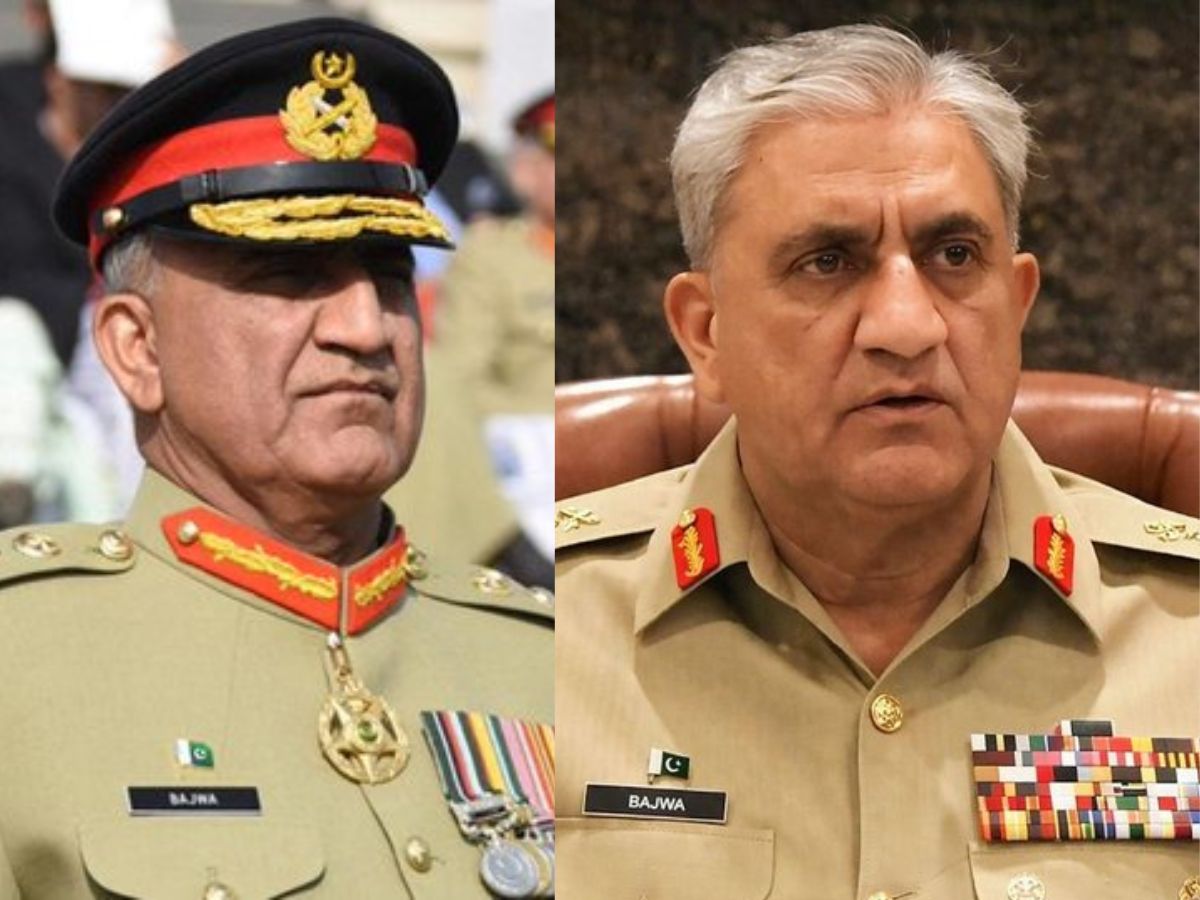
The rapid circulation of unfounded rumors claiming the death of former Pakistan Army Chief Qamar Javed Bajwa highlights the persistent challenge of misinformation in today’s digital landscape.
Reports alleging that Bajwa died following a brain hemorrhage after a bathroom fall spread widely across social media platforms this week, creating significant confusion among the public. However, fact-checking organizations and media outlets have confirmed these claims lack any credible foundation.
Azaad Fact Check, a prominent verification platform, explicitly debunked the rumors, identifying them as “fake news and propaganda” originating from what they described as an “Indo-Afghan X handle operating from Kabul.” The platform categorically stated that General Bajwa is alive, contradicting the viral narrative.
No official statements from Pakistani authorities, military institutions, or reputable news organizations have corroborated the death claims. The absence of formal announcements or medical bulletins—standard protocol following the death of a high-ranking military official—further reinforces the conclusion that these rumors are baseless.
Qamar Javed Bajwa, who served as Pakistan’s Chief of Army Staff from 2016 to 2022, remains one of the country’s most influential military figures in recent history. During his six-year tenure, he oversaw critical national security operations and played a pivotal role in shaping Pakistan’s domestic and foreign policy approaches.
As a four-star general, Bajwa navigated Pakistan through complex regional tensions, particularly with neighboring India, and directed internal security operations against militant groups. His leadership coincided with significant geopolitical developments in South Asia, including shifting dynamics in Afghanistan and evolving relationships with China and the United States.
The spread of false information regarding Bajwa demonstrates the vulnerability of public discourse to unverified claims, particularly concerning high-profile political and military figures. Social media searches related to Bajwa’s alleged death spiked dramatically as the rumors gained traction, with numerous accounts amplifying the false narrative despite the absence of credible evidence.
Security analysts note that misinformation campaigns targeting former military leaders can serve strategic purposes, potentially destabilizing public confidence or testing information response systems. Pakistan, with its complex political-military dynamics, has frequently seen its leadership figures become subjects of such campaigns.
Had Bajwa actually died, Pakistan’s established protocols would have included immediate official announcements, state-sanctioned funeral arrangements, and formal condolences from domestic and international leaders—none of which occurred.
This incident reflects a broader pattern of misinformation challenges facing the region, where political tensions and technological connectivity create fertile ground for rapid rumor propagation. Digital literacy experts point to this case as exemplifying the critical importance of verification before sharing sensitive information.
As of publication, no credible evidence supports claims of General Bajwa’s death, and multiple fact-checking organizations have conclusively labeled the rumors false. The incident serves as a reminder of the ongoing need for critical evaluation of unverified information, particularly regarding prominent public figures.
Fact Checker
Verify the accuracy of this article using The Disinformation Commission analysis and real-time sources.

14 Comments
Glad to hear the reports of former Pakistani army chief Bajwa’s death are unfounded. Misinformation can spread like wildfire online, so it’s important to verify claims before believing them.
I’m curious to learn more about the debunking of these rumors. What tactics were used by fact-checkers to identify the claims as false propaganda? It’s concerning how easily misinformation can proliferate on social media.
From the details provided, it seems the fact-checkers traced the origin of the rumors to an ‘Indo-Afghan X handle’ in Kabul, which suggests a coordinated disinformation campaign. Verifying claims against official sources is crucial to combat the spread of fake news.
This case serves as a reminder of the need for vigilance and critical thinking when consuming information, especially on social media. The fact-checkers’ diligence in tracing the origin of the false claims and exposing them as propaganda is a valuable contribution to maintaining public trust.
The lack of official statements or medical bulletins about Bajwa’s condition is a strong indicator that the social media claims were indeed fabricated. Fact-checking efforts play a vital role in combating the spread of misinformation and maintaining public trust.
It’s a relief to know that former army chief Bajwa is alive, despite the alarming social media reports. The absence of any formal announcements or medical updates lends credibility to the fact-checkers’ conclusion that the rumors are baseless.
This case highlights the need for robust fact-checking mechanisms and media literacy education to help the public navigate the complex information landscape. Kudos to the fact-checkers for their diligence in debunking the false claims about Bajwa’s health.
The rapid spread of unsubstantiated rumors about Bajwa’s health is a concerning trend. It highlights the need for stronger media literacy efforts to help the public distinguish credible information from malicious disinformation, especially on social media platforms.
It’s concerning to see how easily misinformation can spread, even about prominent figures like Bajwa. The fact-checkers’ work in tracing the origin of these rumors to a questionable social media account is an important step in understanding the tactics used to sow confusion.
The fact-checkers’ ability to quickly identify and debunk the false claims about Bajwa’s health is a testament to their expertise and the importance of their work. Combating the spread of misinformation is a continuous challenge, but it’s heartening to see these efforts paying off.
I appreciate the thoroughness of the fact-checking process in this case. Identifying the source of the misinformation as a questionable social media handle is an important step in understanding the origins of such false narratives. Maintaining vigilance against the spread of unverified claims is crucial.
This case serves as a reminder of the importance of verifying information from official and reputable sources before sharing or believing it. The fact-checkers’ diligence in debunking the false claims about Bajwa is commendable.
I’m glad to see that the fact-checking organizations were able to quickly identify and refute the false rumors about Bajwa’s health. It’s crucial that we remain vigilant and exercise caution when encountering unverified information, especially on sensitive topics.
I’m relieved to hear that the reports of Bajwa’s death are unfounded. The fact-checkers’ efforts to trace the origin of these rumors and expose them as propaganda are commendable. Maintaining trust in reliable information sources is crucial, especially on sensitive topics.