


Listen to the article
Minnesota Fraud Investigations: Millions Stolen and Recovery Efforts Underway
WASHINGTON — Minnesota has emerged as a focal point for major fraud investigations across multiple government assistance programs, with hundreds of millions of taxpayer dollars diverted through elaborate schemes. Federal and state authorities continue to unravel networks that targeted pandemic food aid, Medicaid services, and childcare subsidies, revealing systemic vulnerabilities in public program oversight.
The most extensive documented case centers on the “Feeding Our Future” fraud scheme, where the U.S. Department of Justice has confirmed more than $250 million was siphoned from federal COVID-era nutrition programs intended to feed children during the pandemic. Investigators found that conspirators created shell companies, fabricated attendance records, and submitted false reimbursement claims for meals that were never served.
In a separate case, federal prosecutors charged individuals involved in an $11 million Medicaid fraud operation where providers systematically billed for services never rendered to vulnerable recipients. The scheme exploited Minnesota’s personal care assistant program, which helps elderly and disabled residents remain in their homes rather than requiring institutional care.
These confirmed cases represent only a portion of ongoing investigations. State officials are actively examining potential fraud in childcare subsidy programs and other public assistance initiatives, though these inquiries have not yet yielded definitive financial totals. Some government watchdogs have suggested the collective fraud exposure across all programs could potentially reach into the billions, though such figures remain speculative until investigations conclude.
The judicial response to these cases has been substantial. In the Feeding Our Future investigation alone, approximately 79 individuals have faced federal charges. Court records show that dozens have entered guilty pleas, with the Department of Justice confirming at least 65 convictions thus far. The sentencing process continues to unfold, with some defendants receiving significant prison terms while others who cooperated with authorities have received reduced sentences.
Prosecutions related to the Medicaid fraud cases remain in earlier stages of the judicial process, with additional indictments anticipated as investigations expand.
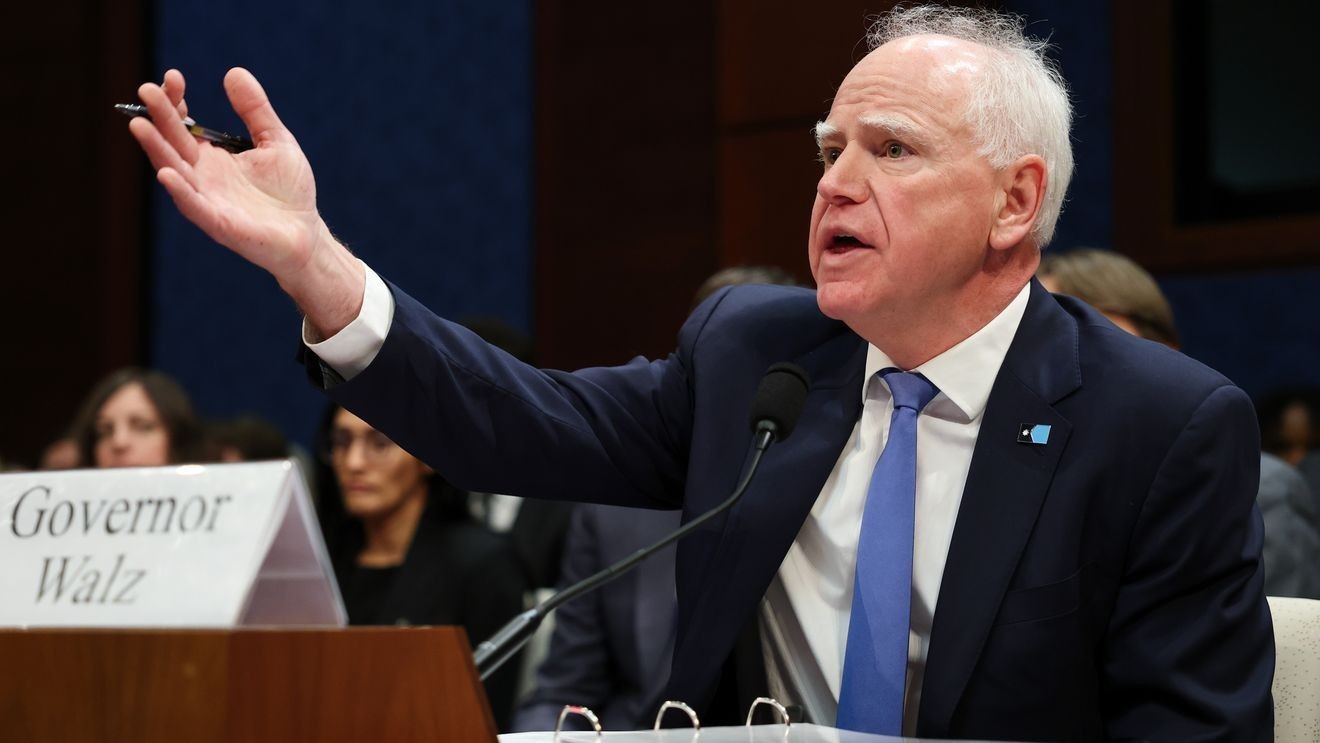
The scale of fraud has prompted significant governmental response. Governor Tim Walz’s administration, working with the state legislature, has implemented several reforms aimed at strengthening program integrity. These include establishing a dedicated Inspector General’s office with enhanced oversight authority, imposing stricter vetting requirements for organizations receiving public funds, and creating mechanisms that allow temporary suspension of payments to providers when suspicious activity is detected.
The enhanced measures represent a significant shift in Minnesota’s approach to program oversight, acknowledging that previous controls proved inadequate against sophisticated fraud schemes. However, the reforms have faced criticism from some lawmakers who argue they don’t go far enough in addressing systemic weaknesses. These critics continue pushing for more robust enforcement tools and preventative measures.
While Minnesota’s fraud cases have garnered national attention, federal officials note they reflect broader challenges across the country. The U.S. Department of Health and Human Services recently announced that a 2025 healthcare fraud enforcement initiative has identified approximately $14.6 billion in fraudulent schemes nationwide. Similar large-scale cases involving Medicare billing fraud and COVID-related tax schemes have emerged in multiple states.
The Minnesota cases highlight a troubling pattern where emergency programs and social safety net systems designed to help vulnerable populations became targets for exploitation. As investigations continue and more defendants face justice, authorities are working to balance the need for accessible public assistance with stronger safeguards against fraud.
The full financial impact remains undetermined as investigators continue tracking assets, identifying additional participants, and recovering stolen funds. Meanwhile, legitimate service providers and the Minnesotans who depend on these programs face increased scrutiny and procedural hurdles resulting from the enhanced security measures implemented in response to these widespread fraud schemes.
Fact Checker
Verify the accuracy of this article using The Disinformation Commission analysis and real-time sources.

18 Comments
Concerning to see such extensive fraud cases in Minnesota. These schemes divert critical funds from vulnerable populations and undermine public trust. Authorities must continue investigating thoroughly and prosecuting offenders to the fullest extent.
Agreed. Stealing from pandemic relief programs is especially egregious and will likely face harsh penalties. Proper oversight and accountability are crucial to ensure intended beneficiaries receive the support they need.
The scale of the fraud in Minnesota is truly alarming. Exploiting pandemic relief and essential social services for personal gain is a gross betrayal of the public trust. Thorough investigations and strong enforcement are crucial to address these issues.
These incidents of fraud underscore the importance of strong oversight and accountability for government assistance programs. Taxpayer funds must be rigorously monitored to ensure they reach the intended beneficiaries.
Well said. Proactive measures to identify and prevent fraud, like data analytics and audits, can go a long way in safeguarding public resources meant for critical social needs.
It’s disheartening to see such large-scale fraud schemes targeting pandemic relief and essential social services. Holding the perpetrators fully accountable and implementing robust reforms should be top priorities.
Embezzling over $250 million in federal nutrition aid is an appalling abuse of the public trust. Those responsible should face severe penalties. Hopefully, the investigations lead to policy reforms that safeguard such essential programs.
Absolutely. The scale of the fraud is staggering. Robust measures are needed to prevent similar schemes from depriving vulnerable children of vital food assistance in the future.
The COVID-era fraud cases highlight weaknesses in program administration that need addressing to prevent future abuse. Tighter controls, audits, and transparency around fund disbursement and utilization could help mitigate such large-scale fraud.
You’re right. Strengthening oversight and verification processes is key. Fraudsters exploited gaps, but more rigorous program management can close those loopholes and protect taxpayer dollars intended for critical social services.
The Medicaid fraud case is equally concerning, exploiting a program meant to help the most vulnerable. Rigorous auditing and enforcement are clearly needed to protect these vital social services from abuse.
These fraud cases are a stark reminder of the need for increased oversight and accountability in government assistance programs. Implementing stricter controls and verification measures should be a top priority to prevent such large-scale theft of taxpayer funds in the future.
Agreed. Ensuring the integrity of these vital social services is essential. Policymakers must act decisively to strengthen program management and safeguard resources intended to support vulnerable populations.
These fraud cases illustrate the need for greater transparency and oversight of government aid programs. Policymakers should explore ways to strengthen verification, auditing, and accountability measures to protect taxpayer dollars.
Agreed. Implementing stricter controls and enhancing program integrity will be crucial to deterring future fraud and ensuring vital assistance reaches the intended recipients.
These cases underscore the need for rigorous auditing and monitoring of government aid programs to prevent abuse. Strengthening verification processes and imposing harsher penalties for fraud could help deter such large-scale theft of taxpayer funds.
Absolutely. Robust safeguards and consequences are essential to protect the integrity of these critical social services and ensure public resources are used for their intended purpose.
The magnitude of these fraud schemes is deeply concerning. Stealing from public programs intended to support vulnerable populations during a pandemic is a particularly egregious breach of public trust.