


Listen to the article
Madhya Pradesh Police Arrest Viral: Video Misrepresented as Noida Strike Incident
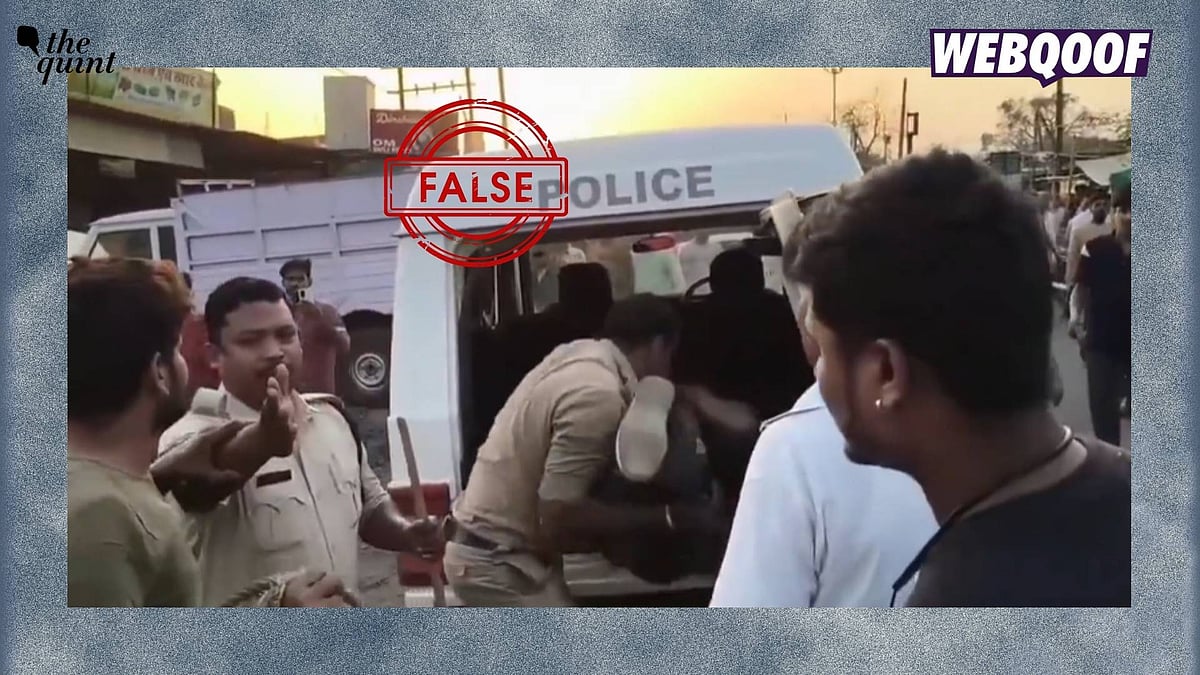
A video circulating on social media platforms purporting to show police action against a striking worker in Noida has been verified as misleading. Fact-checking reveals the footage actually depicts an incident from Madhya Pradesh’s Shahdol district, where local authorities apprehended an intoxicated individual following a disturbance at an electronics store.
The video, which has gained significant traction online, shows police officers forcefully detaining a young man. Several social media accounts shared the content with captions claiming it represented authorities cracking down on employee protests in Noida, a major industrial hub near Delhi. The misrepresentation appears designed to connect the footage to recent labor tensions in the region.
Through reverse image search technology using Google Lens, fact-checkers identified the original context of the video. According to verified reports published by Dainik Bhaskar, one of India’s largest Hindi-language newspapers, the incident occurred in Shahdol, Madhya Pradesh, not Noida.
Local reporting indicates the young man had allegedly created a disturbance at an electronics shop while under the influence of alcohol. The video captures the subsequent police intervention, which has itself become controversial due to accusations that officers used excessive force, including kicking the detained individual during the arrest.
This case highlights an increasingly common phenomenon of visual media being repurposed and shared with false contexts on social media platforms. Such misattribution can significantly impact public perception of events, particularly during periods of social or political tension.
Madhya Pradesh and Uttar Pradesh (where Noida is located) are neighboring states in central and northern India respectively, but they operate under different state governments and police jurisdictions. The false attribution of the video to Noida appears to exploit existing narratives around labor disputes in the industrial city.
Noida has witnessed several labor demonstrations in recent years, particularly in its manufacturing and technology sectors. The city hosts numerous factories and corporate offices where worker-management disputes occasionally escalate into protests. The misrepresentation of the Shahdol incident as occurring in Noida potentially feeds into these ongoing tensions.
Law enforcement officials have increasingly urged the public to verify information before sharing potentially misleading content. In India, where social media penetration has grown dramatically in recent years, the rapid spread of misinformation has prompted concerns from authorities and civil society organizations alike.
The incident also raises questions about police conduct during arrests, as the original controversy in Shahdol centered on allegations of excessive force. Police departments across India have faced scrutiny over their handling of arrests and detentions, with civil liberties organizations documenting cases of procedural violations.
For those encountering dubious information online, digital literacy experts recommend several verification methods. These include reverse image searches, checking the credibility of the original source, cross-referencing with established news organizations, and examining the date and location details of the purported incident.
In this case, the diligent application of basic fact-checking techniques revealed the true origins of the video, demonstrating how visual content can be misleadingly repurposed to fit different narratives or geographical contexts.
As digital media consumption continues to grow in India, with over 700 million internet users nationwide, the challenge of combating misinformation remains significant. Media literacy initiatives and fact-checking organizations play an increasingly vital role in helping citizens navigate the complex information landscape.
Fact Checker
Verify the accuracy of this article using The Disinformation Commission analysis and real-time sources.

10 Comments
I appreciate the level of detail in tracing the origins of this misleading video. Reverse image searches and cross-referencing local media reports are valuable tools for fact-checking in the digital age.
This is a good reminder to be cautious about unverified social media content, even if it seems to align with a certain narrative. Fact-checking is crucial to avoid spreading misinformation. Kudos to the team for setting the record straight.
The distinction between the Noida labor situation and this unrelated Madhya Pradesh incident is an important clarification. Maintaining accuracy around complex issues like worker protests is vital for informed public discourse.
Curious to learn more about the factors behind the Noida workers’ strike and the broader labor landscape in the region. Understanding the root causes of these tensions is important for constructive dialogue.
Glad to see this fact-check addressing the issue head-on. Identifying and debunking misinformation is crucial, especially around current events that could impact vulnerable communities.
Curious to learn more about the labor tensions in Noida and the broader context around worker rights in the region. This fact-check highlights the need for nuanced reporting on these sensitive topics.
This fact-check serves as a good model for responsible reporting. Verifying sources, clarifying context, and correcting misinformation should be standard practice, especially on sensitive social issues.
The distinction between the Noida and Madhya Pradesh incidents is an important clarification. Maintaining accuracy is crucial when reporting on complex labor disputes and potential abuse of power.
Glad to see the video was verified as misleading. It’s important to fact-check viral content and correct any misrepresentations, especially around sensitive labor issues. Appreciate the thorough investigation to uncover the true context.
Appreciate the diligence in tracing the origins of this misleading video. Fact-checking is an essential part of informed, responsible journalism, especially on issues that could impact vulnerable communities.